Ojibwe Jingle Dress Regalia: Sourcing Materials & Protocols (2026)
The Living Medicine: Understanding the Jingle Dress
The Jingle Dress, known in the Ojibwe language as Bibaamidaago'win, is far more than a stunning visual display of color and motion. It is a profound healing prayer in physical form. Originating among the Mille Lacs Band of Ojibwe in the early 20th century, the dress was born from a vision of healing during a time of severe global illness. Today, as we navigate the 2026 powwow season, the Jingle Dress dance remains one of the most revered and spiritually significant competitions and exhibition dances across North America. For Indigenous artisans, seamstresses, and cultural preservationists, understanding the deep spiritual protocols and knowing how to ethically source high-quality materials are essential steps in bringing this living medicine into the physical world.
Creating a Jingle Dress is not merely a sewing project; it is an act of cultural continuation and spiritual devotion. The garment requires specific materials that honor its origins while withstanding the rigorous, dynamic footwork of modern powwow dancing. In this comprehensive 2026 guide, we will explore the cultural protocols surrounding the dress, break down the best materials for construction, and provide actionable advice for sourcing authentic components from ethical, Native-supporting suppliers.
Cultural Protocols and the 365-Cones Tradition
Before sourcing a single yard of fabric or a single metal cone, one must understand the spiritual weight of the garment. According to oral histories preserved by institutions like the Minnesota Historical Society, the original vision dictated that the dress should be adorned with 365 jingles, representing a prayer for every day of the year. While some contemporary competition dancers may use fewer cones for weight management or specific stylistic choices, the traditional protocol of 365 cones remains the gold standard for those dancing strictly for healing and traditional exhibition.
Furthermore, the right to make and dance in a Jingle Dress is often governed by community protocols. In many Anishinaabe communities, a dancer is gifted the dress or the right to wear it by an elder or a respected community member. If you are an artisan commissioned to build a dress in 2026, it is vital to consult with the dancer and their family regarding their specific community's teachings, color preferences, and ceremonial requirements. The dress is treated as a living entity; it is never placed on the floor, and it is handled with the same respect afforded to sacred medicines.
Sourcing Authentic Materials for 2026 Regalia
Broadcloth and Base Fabrics
The foundation of a traditional Jingle Dress is typically a high-quality wool broadcloth or a durable felt-blend fabric. Wool broadcloth is highly prized for its rich, matte finish, its ability to hold vibrant dyes, and its heavy drape, which allows the skirt to swing beautifully during the side-step dance movements. In 2026, sourcing 100% wool broadcloth has become slightly more specialized due to shifting global textile markets, but dedicated Indigenous craft suppliers still stock premium yards.
When purchasing broadcloth, look for a fabric weight of at least 12 to 16 ounces per yard. This ensures the material is heavy enough to support the weight of hundreds of metal cones without tearing at the seam lines. Traditional colors often include deep reds, forest greens, navy blues, and black, though modern dancers frequently incorporate vibrant turquoise, purple, and pink. Always pre-shrink your wool fabric using a steam iron or a professional dry-cleaning service before cutting your pattern to prevent warping after the cones are attached.
Sourcing the Jingles: Metal Cones
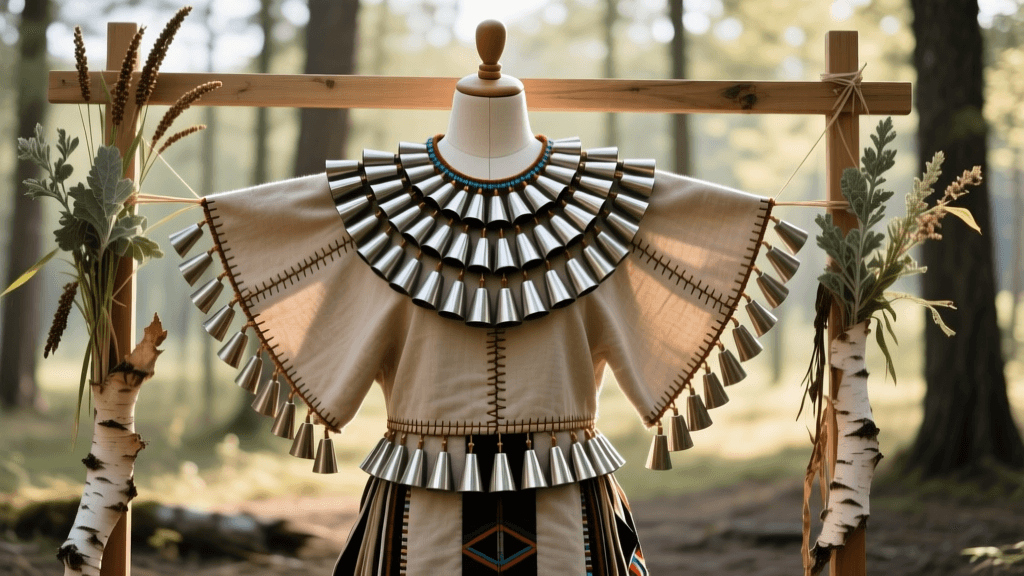
Historically, the first jingles were crafted by hand, rolling the lids of snuff cans into small, tubular cones. Today, while some traditionalists still hand-roll copper or tin for historical accuracy and specific acoustic properties, the vast majority of dancers utilize commercially stamped metal cones. Sourcing high-quality cones is critical, as cheap, mass-imported aluminum cones can dent easily, lose their shape, and produce a dull, unsatisfying sound.
For the 2026 season, stamped stainless steel and heavy-gauge copper are the premier choices. Suppliers like Crazy Crow Trading Post offer premium, domestically stamped cones that provide the iconic, rain-like sound that is the hallmark of the Jingle Dress. When ordering, you must account for the 365 traditional cones, plus an additional 10% to 15% for backups, as cones can occasionally be lost or damaged during the rigorous powwow travel circuit.
Ribbons and Appliqué
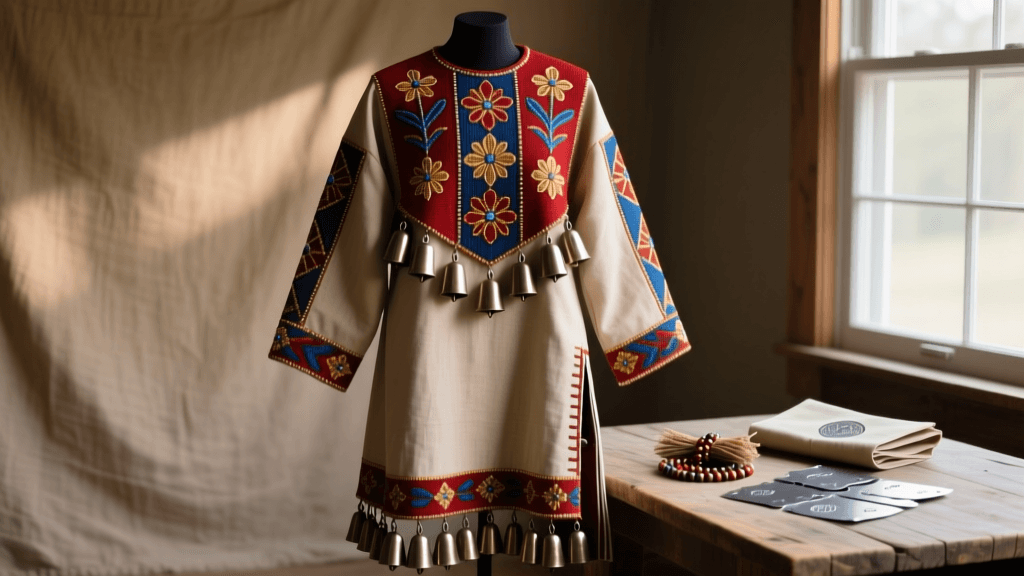
The geometric appliqué patterns that adorn the bodice, yoke, and hem of the Jingle Dress are traditionally made from silk or high-grade polyester ribbons. These ribbons are folded, layered, and sewn into striking zigzag, diamond, or step patterns. In 2026, double-faced satin ribbons are the industry standard due to their brilliant sheen and resistance to fraying. When sourcing ribbons, ensure you purchase from reputable sewing supply houses that guarantee colorfastness; the last thing a seamstress wants is for a deep red ribbon to bleed onto a pristine white broadcloth base during a sudden rainstorm at an outdoor powwow.
Material Comparison Chart: Choosing Your Cones
Selecting the right metal for your jingles dramatically alters the sound, weight, and maintenance of the dress. Below is a 2026 market comparison of the most common cone materials used in contemporary regalia construction.
| Material | Sound Profile | Weight (per 100 cones) | Durability | Best Application |
|---|---|---|---|---|
| Stamped Stainless Steel | Bright, sharp, highly resonant | 1.8 lbs | Exceptional (rust-proof) | Competition powwows, loud outdoor arenas |
| Heavy-Gauge Copper | Warm, deep, traditional tone | 1.5 lbs | High (will oxidize/patina) | Traditional exhibitions, healing ceremonies |
| Hand-Rolled Tin | Soft, muted, vintage whisper | 0.9 lbs | Moderate (can crush) | Historical reproduction, elder dancers |
| Stamped Aluminum | Thin, high-pitched, clinking | 0.6 lbs | Low (dents easily) | Youth dresses, lightweight travel backups |
Construction Techniques for the Modern Powwow Circuit
Constructing a Jingle Dress requires advanced sewing skills and an understanding of stress-point reinforcement. The skirt of the dress bears the brunt of the physical strain. In 2026, master seamstresses utilize heavy-duty upholstery thread (such as bonded nylon or polyester core-spun thread) rather than standard cotton all-purpose thread. Cotton thread will inevitably snap under the kinetic energy generated by hundreds of metal cones swinging in unison.
When attaching the jingles, spacing is both an aesthetic and acoustic consideration. Traditionally, cones are arranged in three to four horizontal rows on the skirt. They must be spaced far enough apart so that they do not tangle during complex footwork, yet close enough to create a unified wall of sound. A common technique is to sew the jingles onto heavy-duty twill tape or grosgrain ribbon first, and then stitch these reinforced tapes onto the broadcloth skirt. This method distributes the weight of the metal across a wider surface area, preventing the wool from stretching or tearing over time.
The bodice and yoke require a different approach. Because the upper body moves differently, the appliqué ribbons must be sewn with a slight stretch or eased into the fabric to allow the dancer to raise her arms and fan herself without restricting movement or puckering the base fabric. Using a walking foot on your industrial or heavy-duty domestic sewing machine is highly recommended to ensure the layers of broadcloth, interfacing, and ribbon feed evenly under the needle.
Powwow Etiquette and Respecting the Garment
As the popularity of Indigenous dance continues to grow globally, educating the broader public on regalia etiquette is more important than ever. The National Museum of the American Indian frequently highlights the importance of respecting Native regalia as sacred cultural property, not mere costumes. If you are attending a powwow in 2026, never touch a dancer's jingles or fabric without explicit permission. The oils from human hands can tarnish copper and stain delicate silk ribbons.
Furthermore, if a jingle falls off a dress in the dance arena, there are specific protocols for its return. In many traditions, a fallen jingle is considered to have absorbed negative energy or completed a specific prayer. It is often picked up by an elder or a designated arena director and returned to the dancer in a respectful manner, sometimes accompanied by a small tobacco offering. Understanding these nuances is crucial for anyone involved in the powwow community, whether as a dancer, a maker, or an attendee.
Ethical Sourcing and Supporting Indigenous Economies
When building a Jingle Dress, where you spend your money matters. The Indigenous artisan economy relies heavily on the direct support of community members. While large craft suppliers offer convenience, seeking out Native-owned textile mills, beadwork suppliers, and metalworkers ensures that the economic benefits of the powwow circuit remain within Indigenous communities. In 2026, many Anishinaabe entrepreneurs have launched specialized online storefronts offering pre-cut broadcloth kits, hand-rolled copper cones, and custom-milled silk ribbons.
By prioritizing these Indigenous-owned businesses, you are not only guaranteeing a higher level of cultural authenticity in your materials but also actively participating in the economic sovereignty of Native nations. Always verify the Native ownership of a business before purchasing, and be willing to pay a premium for materials that are ethically sourced and culturally vetted.
Conclusion
The Ojibwe Jingle Dress is a masterpiece of Indigenous engineering, spiritual devotion, and artistic expression. As we move through 2026, the preservation of its traditional construction methods and the ethical sourcing of its materials remain paramount. Whether you are a seasoned seamstress commissioning a dress for a champion dancer, or a community member learning the art of appliqué for the first time, approaching the process with reverence, patience, and respect for cultural protocols will ensure that the healing song of the jingles continues to resonate across the Americas for generations to come.