Mormon Temple Garments 2026: Complete Guide, History & Styles
Understanding Mormon Temple Garments in 2026
For members of The Church of Jesus Christ of Latter-day Saints, temple garments represent a deeply personal and sacred commitment. Often referred to simply as "garments" or "Mormon undergarments" by the general public, these garments are worn by endowed members as a daily, outward expression of an inward spiritual covenant. As we navigate 2026, the intersection of traditional religious symbolism and modern textile technology has resulted in a diverse, globally accessible lineup of garment styles designed to meet the needs of members in every climate and lifestyle. This comprehensive guide explores the history, spiritual significance, modern fabric options, and practical purchasing advice for LDS temple garments today.
The Sacred Origins: A Brief History
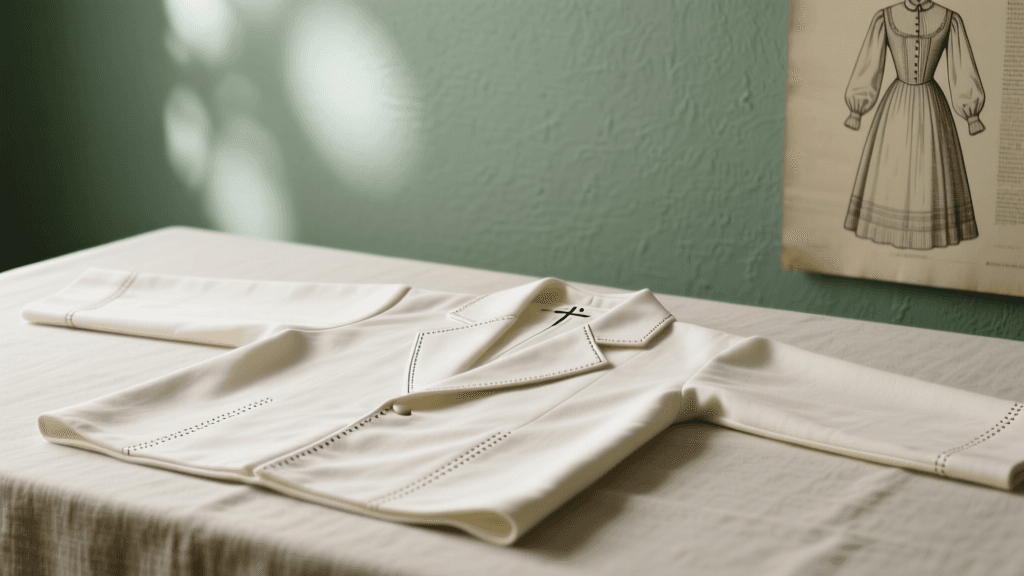
The history of the temple garment traces back to the early 1840s in Nauvoo, Illinois. According to the official Gospel Topics essay on Temple Garments, Joseph Smith introduced the garment as part of the temple endowment ceremony. Early iterations were vastly different from what is available in 2026. The original garments were one-piece, long-sleeved, ankle-length union suits made of woven cotton or flannel, featuring hand-embroidered or woven symbolic marks.
Over the late 19th and 20th centuries, as general fashion and undergarment styles evolved, the Church adapted the garment to remain practical while preserving its sacred modesty and symbolic marks. The transition from one-piece suits to the modern two-piece top and bottom occurred gradually, with official two-piece options becoming widely available in the mid-20th century. By the 2020s, the focus shifted heavily toward advanced moisture-wicking fabrics, global supply chain efficiency, and inclusive sizing, ensuring that members from tropical climates to freezing regions could comfortably honor their covenants.
Spiritual Significance and Covenants
It is a common misconception among those outside the faith that garments possess magical or protective properties. The Church explicitly clarifies that the garment's power is not in the cloth itself, but in the spiritual covenants it represents. Wearing the garment serves as a continuous, tactile reminder of the promises made during the temple endowment. It encourages modesty, personal purity, and a constant mindfulness of one's relationship with God. According to the Church's General Handbook, members who receive the endowment are instructed to wear the garment throughout their lives, treating it with the utmost respect and care.
2026 Garment Styles and Fabric Technologies
The year 2026 brings a highly refined selection of fabrics through Church Distribution Services. Recognizing that members live in diverse environments—from the humid coasts of Southeast Asia to the arid deserts of the American Southwest—the Church offers several distinct fabric blends. Choosing the right material is essential for daily comfort and adherence to the commandment to wear them consistently.
| Fabric Type | Composition | Best Climate | Key 2026 Features |
|---|---|---|---|
| Classic Cotton | 100% Combed Cotton | Temperate / Mild | Traditional feel, highly durable, breathable natural fibers. |
| Stretch Cotton | Cotton / Spandex Blend | All Climates | Enhanced mobility, form-fitting, resists shrinking in the wash. |
| Modest Mesh | Nylon / Spandex | Hot / Humid | Ultra-lightweight, rapid moisture-wicking, dries incredibly fast. |
| CoolMax Blend | Polyester / Cotton | Active / Hot | Advanced sweat management, odor-resistant, ideal for athletes. |
| Ultra-Light Cotton | Fine-Gauge Cotton | Warm / Indoor | Thinner profile than classic cotton, reduces visible lines under clothing. |
Women’s and Men’s Specific Cuts and Fits
In 2026, the variety of cuts available ensures that garments can be worn discreetly under almost any modern professional, casual, or athletic wardrobe. For women, the top options include the classic camisole, cap-sleeve, and t-shirt styles, with necklines ranging from high crew necks to lower scoops designed to remain hidden under standard blouses. Women's bottoms are available in standard brief, boy-short, and capri lengths, accommodating everything from business slacks to modest summer skirts.
For men, tops are offered in crew neck and v-neck styles, with both short and long sleeves. Men's bottoms include traditional briefs and modern boxer-brief cuts, which have become increasingly popular for their comfort during active workdays. All styles, regardless of cut or gender, feature the required sacred marks carefully integrated into the fabric design.
How to Purchase Garments in 2026
Purchasing temple garments is restricted to endowed members of the Church who hold a current, valid temple recommend. In 2026, the primary method of acquisition is through the official Church Distribution online store. The 2026 portal updates have vastly improved the user experience, allowing members to save their sizing profiles, track global shipments in real-time, and view localized pricing in their native currencies.
Members can also purchase garments in person at local Deseret Book stores that carry distribution inventory, or at dedicated distribution centers located near temples worldwide. When ordering online, members must log in with their Church Account, which automatically verifies their temple recommend status through the church's secure membership database. Bulk ordering is highly recommended, as shipping costs can be minimized, and having a sufficient rotation (typically 7 to 10 sets) ensures garments are always available while others are in the wash.
Sizing, Care, and Proper Disposal
Getting the right fit is crucial. Garments that are too tight can cause discomfort and wear out prematurely, while garments that are too loose may bunch under clothing. The 2026 online sizing guide recommends using a soft measuring tape to measure the chest, waist, and hips, and then comparing these numbers to the interactive size chart provided on the product pages. If a member's weight fluctuates, the Stretch Cotton and Modest Mesh options offer the most forgiveness in fit.
Caring for garments requires standard laundering practices. It is recommended to wash them in cold or warm water with like colors and tumble dry on low heat. High heat can degrade the spandex in stretch blends and cause cotton to shrink. Bleach should be avoided, as it weakens the fibers and can damage the symbolic marks.
When garments become worn, torn, or stained beyond use, they must be disposed of respectfully. The official guideline requires members to carefully cut out the sacred marks from the fabric. The marks should be destroyed (such as by cutting them into small pieces) and discarded in the regular trash. The remaining fabric, which no longer holds any sacred significance once the marks are removed, can be discarded or repurposed as cleaning rags. This process ensures that the sacred symbols are never treated with disrespect or exposed in public waste or thrift environments.
Conclusion
The evolution of Mormon temple garments from the heavy, one-piece union suits of the 1840s to the advanced, moisture-wicking, ergonomically designed garments of 2026 reflects a commitment to honoring ancient covenants in a modern world. By understanding the history, selecting the appropriate fabric for their lifestyle, and properly caring for these sacred items, endowed members can comfortably and reverently carry their spiritual reminders with them every day.