Mormon Temple Garments in 2026: Meaning, Styles & Traditions

The Sacred Purpose and Meaning of LDS Garments
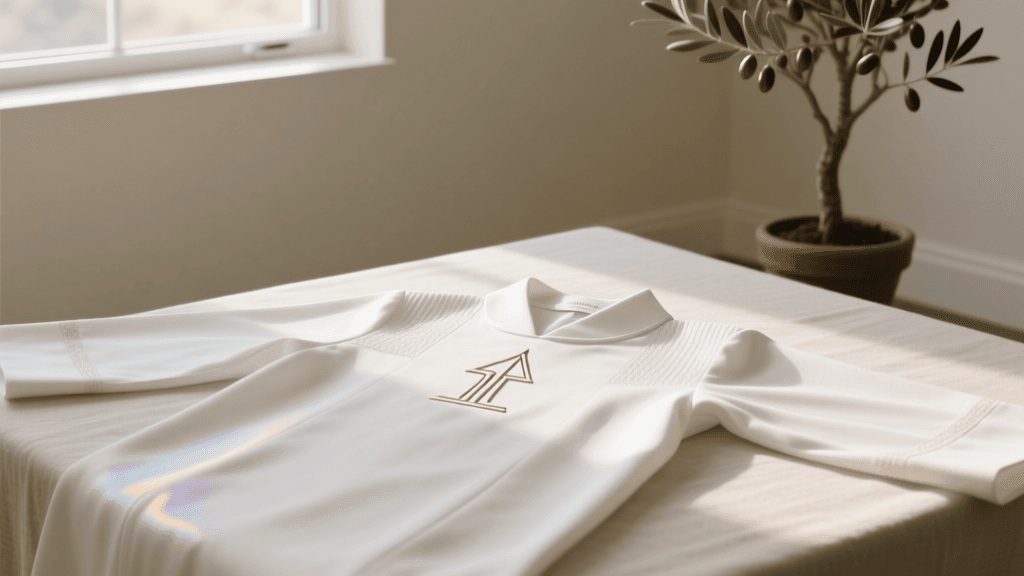
For endowed members of The Church of Jesus Christ of Latter-day Saints, temple garments represent a deeply sacred and personal aspect of their faith. Often referred to colloquially as 'Mormon garments,' these specialized underclothes are worn beneath everyday attire as a constant, tangible reminder of the covenants made during the temple endowment ordinance. Unlike secular clothing or outer religious vestments worn by clergy of other faiths, LDS garments are private, intimate, and uniform across the global membership.
The theological foundation of the garment is rooted in the concept of spiritual protection and mindfulness. According to the Gospel Topics Essay on Temple Garments, the garment serves as a reminder of the wearer's commitment to live righteously, honor their covenants, and keep the commandments. It is not viewed as a magical talisman that provides physical immunity from harm, but rather as a spiritual shield that fosters modesty, humility, and a continuous connection to the divine. The marks embroidered or heat-sealed onto the fabric—specific geometric symbols located on the chest, navel, and knee—serve as mnemonic devices pointing to eternal truths, the laws of God, and the journey of mortal life.
Historical Context and Evolution of Temple Clothing
The tradition of wearing sacred undergarments dates back to the early 1840s in Nauvoo, Illinois, when Joseph Smith introduced the temple endowment to a small group of close associates. Early garments were essentially one-piece union suits that extended from the wrists to the ankles, reflecting the modesty standards and textile realities of the 19th century. As the Church expanded across the Americas and globally throughout the 20th and 21st centuries, the design evolved to accommodate modern climates, diverse lifestyles, and changing norms of modesty.
By the mid-20th century, the Church transitioned to the two-piece style (a t-shirt and knee-length shorts) that is most recognizable today. In recent years, and continuing into 2026, the Church has made significant strides in inclusivity and comfort, introducing specialized designs for women, maternity wear, and advanced moisture-wicking fabrics to serve members in tropical climates or those with highly active lifestyles.
Why You Will Not Find LDS Garments in Commercial Garment Districts
As a publication that frequently covers the bustling textile hubs of the Americas, such as the famous Garment District in New York City or the Fashion District in Los Angeles, it is vital to note a strict distinction regarding LDS temple garments. You will never find authentic temple garments in these commercial wholesale markets, fashion districts, or secular retail stores.
The production, distribution, and sale of temple garments are strictly controlled by The Church of Jesus Christ of Latter-day Saints. They are not patented for commercial fashion, nor are they manufactured for public consumption. The Church contracts with specific, confidential manufacturing facilities to produce these garments to exacting theological and quality standards. Consequently, they are exclusively distributed through official Church Distribution Centers and the secure online portal, completely bypassing the traditional American garment district supply chains.
2026 Garment Styles, Fabrics, and Sizing Guide
As of 2026, the Official Church Store Garment Section offers a highly diversified catalog to meet the needs of a global membership. The Church recognizes that a member living in the humid climate of Central America has vastly different textile needs than a member living in the freezing winters of Canada. Furthermore, the introduction of the women's camisole style has been widely embraced for its versatility under modern professional and formal wear.
Below is a comprehensive comparison of the primary fabric options available to endowed members in 2026:
| Fabric Type | Best Suited For | Climate / Activity Level | 2026 Care Guidelines |
|---|---|---|---|
| 100% Cotton | Everyday wear, sensitive skin, traditional preference | Moderate climates, daily office or home life | Machine wash warm, tumble dry low. Expect slight shrinkage. |
| Modal Blend | Superior softness, drape, and all-day comfort | All climates, excellent for professional wear | Gentle cycle cold, hang dry or tumble dry low to preserve fibers. |
| Stretch Mesh | Athletics, manual labor, extreme heat | Hot, humid, or highly active scenarios | Machine wash cold, air dry only. Highly resistant to shrinkage. |
| Women's Camisole | Wear under dresses, blouses, and formal wear | All climates, provides adjustable strap options | Hand wash or delicate cycle, lay flat to dry to maintain elasticity. |
In 2026, members can also choose between traditional embroidered marks and heat-seal marks. Heat-seal marks are increasingly popular among younger endowed members and athletes, as they lay completely flat against the skin, eliminating the friction and bunching that can occur with raised embroidery during rigorous physical activity.
How to Purchase and Order in 2026
Purchasing temple garments is a restricted process designed to maintain their sacred nature. To buy garments, an individual must be an endowed member in good standing and possess a current, valid temple recommend. In 2026, the ordering process is highly streamlined through the Church's official mobile app and website.
Members log in using their secure Church Account credentials, which automatically verifies their eligibility to purchase restricted items. The 2026 digital storefront features enhanced sizing algorithms, allowing members to input their exact measurements to receive precise size recommendations, reducing the need for returns. While online ordering is the most popular method, physical Distribution Centers located near temples and major stake centers across the Americas remain open for in-person fittings and immediate purchases.
Care, Respect, and Disposal Traditions
The treatment of temple garments is governed by strict cultural and religious traditions emphasizing respect. Members are instructed to wear their garments day and night, removing them only for activities where they would be subject to damage or extreme soiling, such as swimming or intense athletic competition. When laundering, garments are washed with regular clothing; there is no theological requirement to wash them separately, though many members choose to do so out of personal preference and respect.
The most distinct tradition regarding garment care involves their eventual disposal. When a garment becomes worn, torn, or unusable, it cannot simply be thrown in the trash intact, nor can it be donated to thrift stores or charitable organizations. The established protocol requires the member to carefully cut out the sacred marks (the symbols on the chest, navel, and knee) and destroy them—typically by cutting them into unrecognizable pieces or burning them. The remaining fabric, now devoid of the sacred marks, can be discarded in the regular waste stream or, if the fabric is still in good condition, repurposed for cleaning rags. This meticulous disposal process underscores the profound reverence members hold for the covenants the garments represent.
Cultural Impact and Navigating Modern Life
For Latter-day Saints living in the diverse cultural landscapes of the Americas—from the urban centers of the United States to the indigenous communities of Latin America—wearing the garment is a unifying practice. It transcends socioeconomic status, ethnicity, and regional fashion trends. In 2026, as conversations around religious expression and modesty continue to evolve in the public square, the LDS garment remains a steadfast, private anchor for millions. It is a deeply personal commitment, a daily ritual of remembrance, and a profound expression of faith that remains entirely separate from the commercialized fashion and textile industries of the modern world.