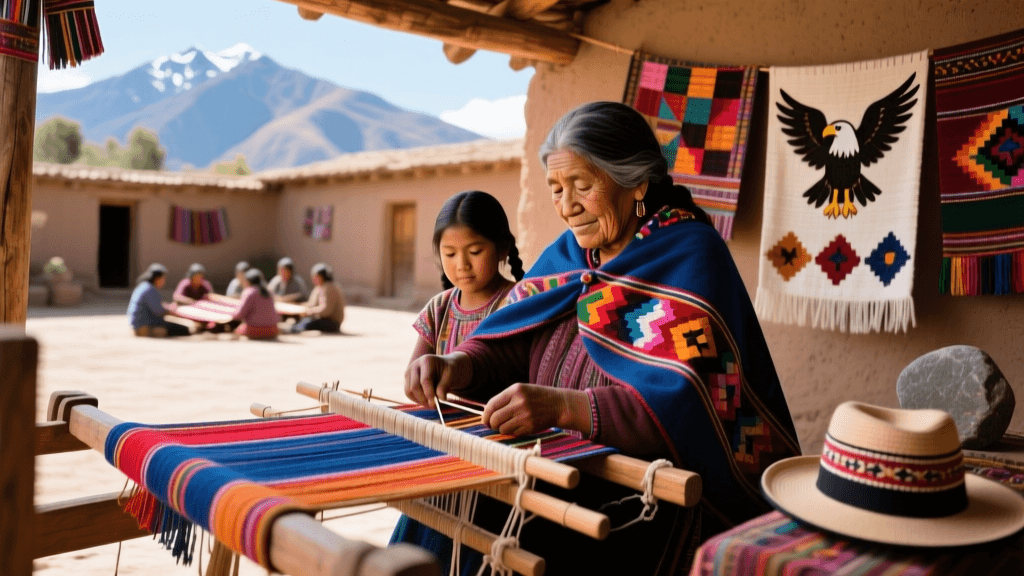
Authentic Zapotec Cochineal Rebozos: 2026 Sourcing Guide
The Cultural Heritage of the Oaxacan Rebozo
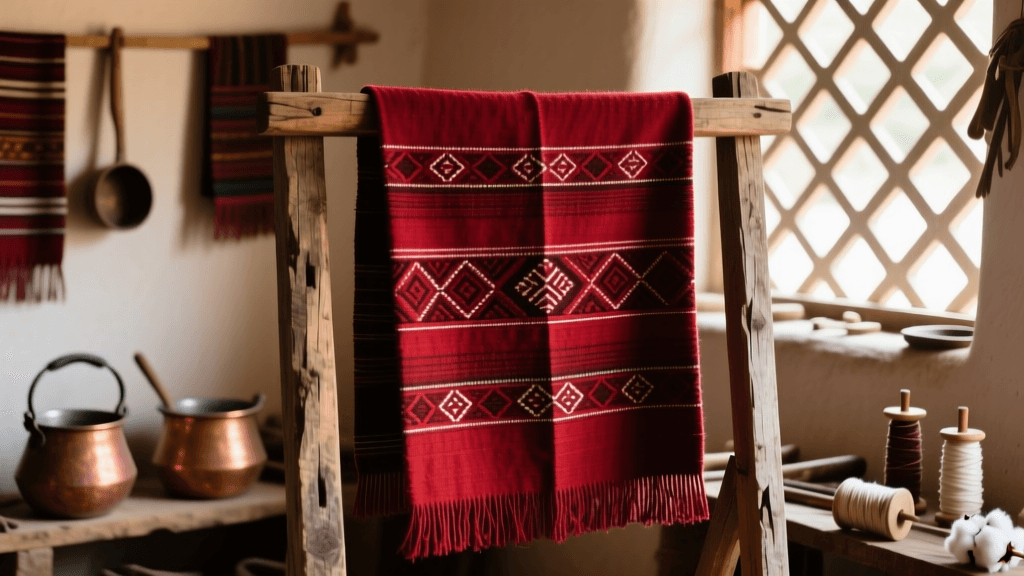
The rebozo is far more than a simple shawl or scarf; it is a profound symbol of Mexican identity, indigenous resilience, and Latin American textile mastery. Worn for centuries, this versatile garment has been used to carry infants, provide warmth in the high sierras, and serve as an elegant accessory for weddings and religious ceremonies. In the southern state of Oaxaca, the Zapotec weavers have elevated the rebozo into a masterwork of natural dyeing and pedal-loom weaving. As we navigate the textile landscape in 2026, the global demand for sustainably produced, ethically sourced traditional garments has reached unprecedented heights. Collectors, fashion historians, and conscious consumers are increasingly bypassing mass-produced imitations in favor of authentic, artisan-crafted pieces that support indigenous cooperatives.
The Science and Art of Cochineal Dyeing
At the heart of the most prized Oaxacan rebozos is cochineal (Dactylopius coccus), a tiny scale insect that lives on the pads of the nopal (prickly pear) cactus. When dried and crushed, the insect yields carminic acid, a potent pigment that produces breathtaking shades of crimson, scarlet, and magenta. According to the Metropolitan Museum of Art's Heilbrunn Timeline of Art History, cochineal was one of the most valuable exports from the Americas to Europe during the colonial era, prized for its unparalleled color fastness and vibrancy.
In 2026, traditional Zapotec dyers continue to use ancestral chemistry to manipulate the pH of the dye bath. By introducing different mordants and modifiers, master dyers can extract a vast spectrum of colors from a single insect:
- Alum (Potassium Aluminum Sulfate): Yields the classic, brilliant true red.
- Lime (Calcium Carbonate) or Wood Ash: Shifts the pH to create vibrant oranges and soft corals.
- Iron Sulfate: Saddens the color, producing deep plums, maroons, and near-blacks.
- Citric Acid or Lime Juice: Brightens the dye into striking, fiery scarlets.
Zapotec Weaving Techniques and the Rapacejo
Authentic Zapotec rebozos are typically woven on traditional wooden pedal looms, a technology introduced in the 16th century but entirely indigenized by Oaxacan artisans. The warp is usually high-strength cotton, while the weft can be cotton, locally spun sheep wool, or, for luxury 2026 collections, baby alpaca blends. The true hallmark of a master-crafted rebozo, however, is the rapacejo—the intricately knotted fringe at either end of the garment.
The creation of the rapacejo is a specialized skill known as empuntar, traditionally performed by women. Using a complex macrame technique, the empuntadoras knot the loose warp threads into elaborate, lace-like patterns that can take anywhere from 40 to 120 hours to complete. In 2026, cooperatives in Teotitlán del Valle and the Mixteca region are heavily investing in apprenticeship programs to ensure this painstaking knotting technique is passed down to the next generation of indigenous artisans.
2026 Market Guide: Pricing and Sourcing Authentic Textiles
Sourcing an authentic, naturally dyed Zapotec rebozo requires an understanding of the current fair-trade market. In 2026, inflation, the rising cost of organic cotton, and a much-needed industry-wide shift toward living wages for artisans have adjusted the pricing structure. Buyers should be highly suspicious of "cochineal" rebozos sold for under $100 USD, as these almost certainly utilize synthetic aniline or azo dyes.
For verified artisan directories and authenticity standards, international buyers often consult the Fondo Nacional para el Fomento de las Artesanías (FONART), the Mexican government agency dedicated to protecting and promoting traditional crafts. Additionally, institutions like the Museo Textil de Oaxaca continue to lead the charge in preserving these techniques and frequently host pop-up markets and verified online directories for international collectors.
2026 Expected Pricing for Authentic Zapotec Rebozos:
- Entry-Level (Cotton, simple weave, natural dyes): $180 - $250 USD
- Mid-Range (Wool/Cotton blend, complex patterns, moderate rapacejo): $280 - $450 USD
- Master-Weaver (Hand-spun wool, intricate brocade, museum-quality rapacejo): $500 - $850+ USD
Comparative Analysis: Natural Cochineal vs. Synthetic Dyes
Understanding the differences between natural and synthetic dyes is crucial for any collector of Latin American traditional garments. The table below outlines the primary distinctions you will encounter in the 2026 market.
| Feature | Natural Cochineal Dye | Synthetic Aniline / Azo Dyes |
|---|---|---|
| Color Fastness | Excellent; ages gracefully, developing a rich patina over decades. | Poor to Moderate; prone to harsh UV fading and uneven bleeding. |
| Environmental Impact | Zero toxic runoff; insect biomass is fully biodegradable and compostable. | High; introduces heavy metals and toxic petrochemicals into local water tables. |
| Olfactory Profile | Earthy, faint scent of nopal and natural wool/cotton. | Sharp, chemical odor that can persist even after multiple washes. |
| Skin Sensitivity | Hypoallergenic; historically used in cosmetics and food coloring. | Known to cause contact dermatitis and allergic reactions in sensitive individuals. |
| 2026 Market Cost | Premium ($180 - $850+ USD) | Budget ($25 - $75 USD) |
Authentication Tests: Verifying Your Rebozo
When sourcing textiles in Oaxacan markets or from online exporters in 2026, you can perform two simple, non-destructive tests to verify the authenticity of the dyes and fibers.
1. The pH Sensitivity Test (For Cochineal)
Cochineal is highly reactive to pH changes. If you have a small, inconspicuous corner of the textile (or a loose thread provided by the weaver), apply a single drop of lemon juice or white vinegar. Authentic cochineal will immediately shift to a bright, fiery orange-scarlet. Next, apply a drop of baking soda dissolved in water (an alkaline solution); the thread will shift to a deep purple or dark plum. Synthetic red dyes will remain completely unchanged during this process.
2. The Burn Test (For Fiber Authentication)
To ensure the warp and weft are natural fibers rather than synthetic polyester blends, carefully burn a single loose thread. Natural wool will self-extinguish, smell like burning hair, and leave a crushable, ash-like bead. Cotton will burn quickly, smell like burning paper, and leave fine gray ash. Synthetic fibers will melt, smell like burning plastic, and leave a hard, uncrushable bead.
Actionable Care Guide for Cochineal-Dyed Garments
Caring for a naturally dyed rebozo requires specific attention to water chemistry and light exposure. Because cochineal is pH-sensitive, washing your garment with standard alkaline laundry detergents will permanently alter the color, turning brilliant reds into muddy purples or browns.
- Washing: Hand wash only in cold water (below 20°C / 68°F). Use a pH-neutral (pH 7) textile soap, such as Eucalan or a specialized olive-oil-based castile soap. Never soak the garment for more than 5 minutes to prevent dye migration.
- Rinsing: Add one tablespoon of white vinegar to the final cold-water rinse. This mildly acidic bath helps set the carminic acid and restores the vibrancy of the red hues.
- Drying: Never wring or twist the rebozo, as this will distort the warp and damage the delicate rapacejo knots. Roll the garment in a clean, dry cotton towel to press out excess moisture. Lay it flat to dry in a deeply shaded, well-ventilated area. Direct sunlight will rapidly degrade natural pigments.
- Storage: Store your rebozo folded loosely in a breathable, unbleached cotton muslin bag. Place blocks of untreated cedar or dried lavender nearby to repel moths. Avoid plastic bins, which trap moisture and promote mildew growth on natural fibers.
Supporting Indigenous Artisans in 2026
The survival of Latin American traditional textile arts relies heavily on conscious consumerism. When purchasing a Zapotec cochineal rebozo, always seek out certified cooperatives that guarantee fair wages, safe working conditions, and environmental stewardship. By investing in these masterworks, you are not merely buying a garment; you are actively participating in the preservation of indigenous knowledge, sustaining local Oaxacan economies, and honoring a textile tradition that has woven the fabric of the Americas for over five hundred years.