Oaxacan Zapotec Backstrap Weaving 2026: Buyer's Guide
The Renaissance of Zapotec Backstrap Weaving in 2026
In 2026, the global shift toward sustainable, slow fashion has placed Latin American traditional garments at the forefront of ethical wardrobes. Among the most coveted of these are the handwoven textiles of the Zapotec people in Oaxaca, Mexico. While the region is globally famous for its pedal-loom rugs (tapetes) from Teotitlán del Valle, it is the intimate, deeply personal art of backstrap loom weaving that produces the region's most exquisite wearable garments, including the huipil (tunic), rebozo (shawl), and ruana (cloak).
Unlike the pedal loom, which was introduced by the Spanish and allows for wider, faster production, the backstrap loom is a pre-Hispanic technology. It relies entirely on the weaver's body to create tension. As we navigate the 2026 textile market, understanding the mechanics, natural dye chemistry, and authentic markers of Zapotec backstrap weaving is essential for collectors, designers, and conscious consumers alike.
Anatomy of the Backstrap Loom: A Weaver's Perspective
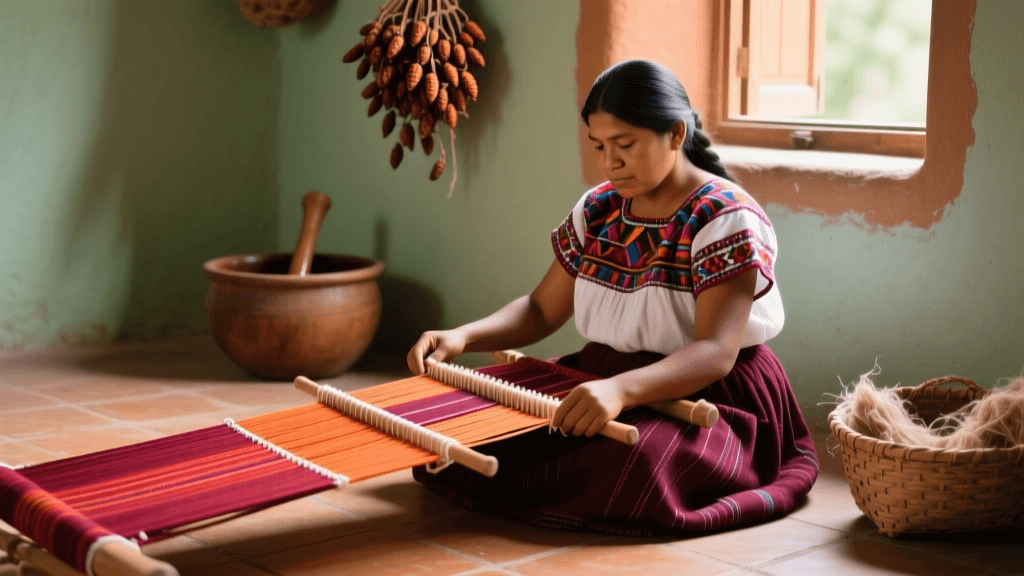
To appreciate the value of a genuine Zapotec garment, one must understand the physical toll and technical mastery required to create it. The backstrap loom consists of two parallel wooden sticks. One is tied to a fixed object (like a tree or post), and the other is attached to a strap that wraps around the weaver's lower back. The weaver's body literally becomes the tensioning device for the warp threads.
Key Components of the Loom
- The Mordant (Batten): A heavy, polished wooden sword used to beat the weft threads tightly into place. The rhythmic 'thwack' of the batten is the heartbeat of Oaxacan weaving villages.
- The Heddle Rod: A complex system of string loops that separates the warp threads, allowing the weaver to create intricate brocade and geometric patterns without a mechanical harness.
- The Shuttle (Bobbin): Often a simple piece of bamboo or carved wood around which the weft yarn is wound.
Because the width of the textile is limited by the weaver's arm span and hip width, authentic backstrap-woven huipiles are typically constructed from two or three narrow panels sewn together with a decorative randa (joinery stitch). In 2026, master weavers are experimenting with ultra-fine mercerized cottons and locally spun silk, pushing the boundaries of what the backstrap loom can achieve.
The Alchemy of Natural Dyes: Cochineal, Indigo, and Marigold
The hallmark of premium Zapotec textiles in 2026 is the use of natural, botanical, and insect-based dyes. The most famous of these is cochineal (Dactylopius coccus), a parasitic scale insect that lives on the nopal cactus. When dried and crushed, it yields a potent carminic acid that produces brilliant reds and pinks. According to Encyclopædia Britannica, cochineal was one of the most valuable exports from the Americas to Europe during the colonial era, prized for its unmatched colorfastness.
pH Shifting and Mordanting
Zapotec dyers are master chemists. By altering the pH of the cochineal dye bath, they can extract a vast spectrum of colors from a single insect:
- Acidic (Lime Juice or Hibiscus): Shifts the dye to vibrant oranges and corals.
- Alkaline (Baking Soda or Wood Ash): Shifts the dye to deep purples and magentas.
- Mordants (Alum or Iron): Used to bind the dye to the fiber. Iron water darkens the red to a rich, blood-maroon or deep plum.
Besides cochineal, artisan cooperatives in 2026 are heavily utilizing indigo (fermented in alkaline vats to produce deep blues) and marigold (cempasúchil, harvested around Día de los Muertos to yield warm, golden yellows). The revival of these ancient dye vats has been championed by organizations dedicated to preserving Indigenous craft, such as those supported by Cultural Survival, ensuring that the ecological knowledge of plant harvesting is passed to the next generation.
2026 Market Guide: Authentic vs. Mass-Produced Textiles
As demand for 'boho-chic' and 'artisan' clothing has surged, the market has been flooded with factory-made imitations. Mass-produced garments are often woven on power looms using synthetic acrylic yarns and chemical aniline dyes, then finished with laser-cut edges to mimic the look of handwoven cloth. Institutions like The Textile Museum frequently highlight the importance of structural analysis in identifying true handwoven textiles versus power-loom replicas.
Below is a comparative guide to help buyers distinguish authentic Zapotec backstrap-woven garments from mass-produced alternatives in the current 2026 market.
| Feature | Authentic Zapotec Backstrap (2026) | Mass-Produced / Power-Loom Fake |
|---|---|---|
| Average Price (Huipil) | $250 - $850+ USD | $35 - $80 USD |
| Fiber Content | 100% Cotton, Wool, or Artisan Silk | Polyester, Acrylic, or Synthetic Blends |
| Edge Finishing | Hand-tied fringe or woven selvedge | Machine-serged, hemmed, or laser-cut |
| Tension & Weave | Slight, organic variations in thread tension | Mathematically perfect, rigid uniformity |
| Dye Scent & Look | Earthy, botanical scent; deep, nuanced color | Chemical smell; flat, neon, or overly bright |
| Panel Construction | 2-3 panels joined with decorative randa stitch | Single wide panel cut from a bolt of fabric |
The 'Burn Test' and 'Water Test'
If you are purchasing in person or have received a sample swatch, you can perform a safe burn test. Pull a single thread from the fringe and hold it to a flame. Authentic cotton or wool will smell like burning paper or hair and leave a soft, crushable ash. Synthetic fakes will melt, smell like burning plastic, and form a hard, uncrushable bead. Additionally, natural cochineal dye may release a faint, pinkish tint in highly alkaline water, whereas synthetic dyes will either bleed heavily in unnatural hues or not bleed at all due to heavy chemical fixatives.
Garment Spotlight: Styling the Contemporary Rebozo
The rebozo is perhaps the most versatile garment in the Latin American textile tradition. In 2026, the Zapotec rebozo has transcended its traditional role as a shawl or baby carrier to become a statement piece in global sustainable fashion. A genuine backstrap-woven rebozo features a complex rapacejo (hand-knotted fringe) that can take a master artisan several weeks to tie.
Styling Tips for 2026:
- The Wrap Dress: Use a wide, indigo-dyed wool rebozo as a wrap skirt over a linen slip dress, securing it with a leather obi belt.
- The Architectural Drape: Drape a lightweight, cochineal-dyed cotton rebozo asymmetrically over one shoulder, pinning it discreetly at the collarbone for a modern, sculptural silhouette.
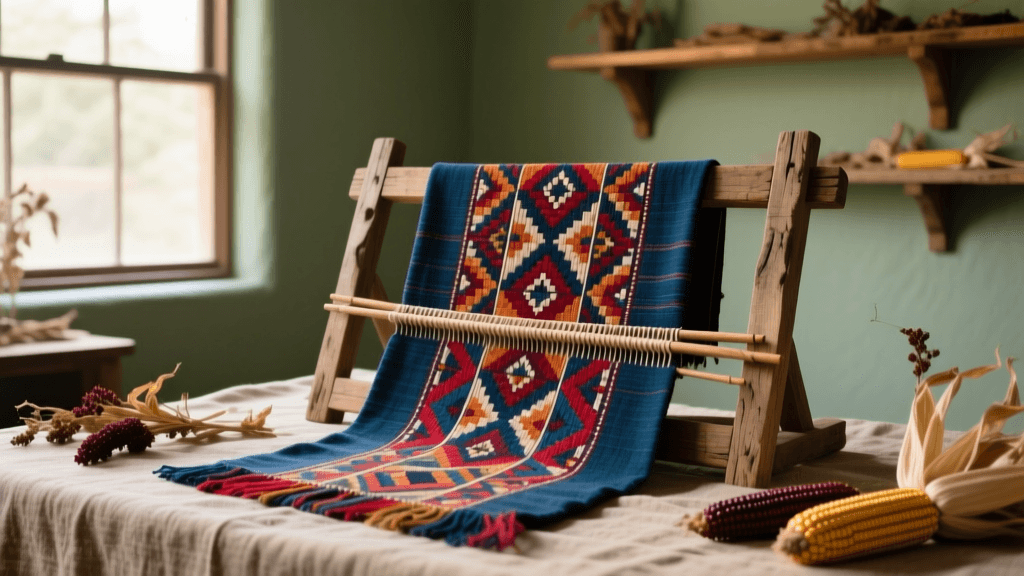
- The Heirloom Runner: When not worn, authentic rebozos are increasingly being displayed as textile art, draped over wooden benches or hung on specialized textile hangers to protect the warp tension.
Caring for Cochineal-Dyed and Handwoven Garments
Owning a natural-dyed, backstrap-woven garment requires a commitment to mindful care. Cochineal is highly sensitive to pH changes and UV degradation. To ensure your textile lasts for generations, follow these strict care protocols:
- Never use standard laundry detergents. Most commercial detergents are highly alkaline and will instantly shift cochineal reds to dull purples or grays. Use a pH-neutral, specialized textile wash or a mild baby shampoo.
- Wash in cold water only. Submerge the garment gently. Do not agitate, wring, or twist the fibers, as this will distort the hand-beaten tension of the backstrap weave.
- Avoid direct sunlight. While cochineal is relatively colorfast compared to other natural dyes, prolonged exposure to harsh UV rays will eventually fade the vibrancy. Dry the garment flat in the shade.
- Store with acid-free tissue. When storing wool or silk Zapotec garments for the season, fold them with acid-free tissue paper to prevent the fibers from breaking along the fold lines. Never store natural fibers in plastic bags, which trap moisture and invite mold.
Supporting Artisan Cooperatives Ethically
The most crucial aspect of collecting Latin American traditional garments in 2026 is ensuring your purchase directly benefits the Indigenous artisans. The rise of 'fair trade' certifications has helped, but the most reliable method is to purchase directly from women-led weaving cooperatives in regions like the Isthmus of Tehuantepec, the Mixteca, and the Central Valleys of Oaxaca.
When buying online, look for transparency. Ethical vendors will name the specific artisan or cooperative, detail the exact botanical dyes used, and explain the weaving technique. By investing in authentic Zapotec backstrap weaving, you are not merely buying a garment; you are funding the survival of a pre-Hispanic technology, supporting the ecological management of nopal cactus forests, and honoring the living heritage of the Americas.