Mormon Temple Garments: 2026 History, Styles & Buying Guide
Introduction to Mormon Temple Garments in 2026
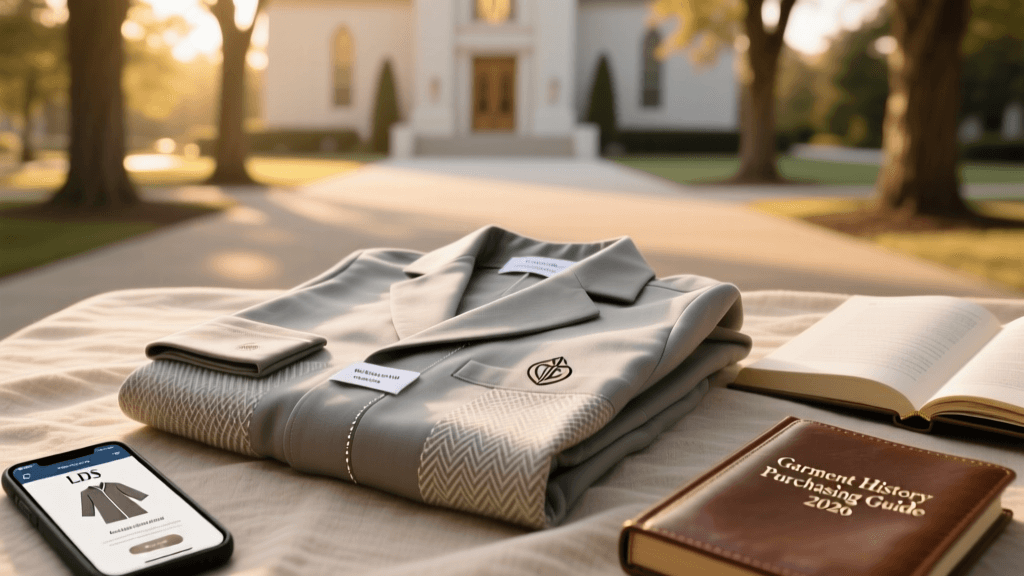
For members of The Church of Jesus Christ of Latter-day Saints, temple garments hold profound spiritual significance. Often referred to simply as "garments" or "sacred clothing," these undergarments are worn by adult members who have participated in the temple endowment ordinance. As we navigate 2026, the intersection of traditional reverence and modern textile technology has resulted in a diverse array of garment styles, fabrics, and purchasing options that cater to the global, active lifestyles of today's Latter-day Saints.
This comprehensive guide explores the rich history, spiritual meaning, modern 2026 fabric technologies, and the official purchasing process for LDS temple garments, providing an essential resource for both members and those researching American religious textile traditions.
The Sacred Origins: A History of LDS Temple Garments
The history of the Mormon temple garment dates back to 1842 in Nauvoo, Illinois. When the Prophet Joseph Smith first introduced the endowment ordinance, he also introduced the concept of sacred underclothing. Early garments were essentially one-piece union suits that extended to the wrists and ankles, reflecting the modesty standards and practical undergarment styles of the 19th century.
As the Church migrated westward to the Salt Lake Valley and expanded globally throughout the 20th century, the design of the garment evolved to meet the practical needs of members in varying climates and professions. In the 1920s and 1930s, the Church authorized shorter styles, transitioning from the full-body union suit to the two-piece top and bottom design that is standard today. By the late 20th and early 21st centuries, the introduction of synthetic blends, stretch fabrics, and specialized athletic wear transformed the garment into a highly functional piece of clothing. In 2026, the Church's distribution centers offer an unprecedented variety of cuts and sustainable fabrics, ensuring that members from diverse cultures and climates can wear their sacred clothing comfortably.
Spiritual Meaning and Symbolism
It is a common misconception among those outside the faith that temple garments possess magical or protective properties. The Church explicitly clarifies that garments are not magical talismans. Instead, they serve as a deeply personal, physical reminder of the covenants (sacred promises) made with God during the temple endowment.
According to the Church's General Handbook, wearing the garment is an outward expression of an inward commitment to follow Jesus Christ and live by His teachings. The garments feature specific symbolic marks woven or stitched into the fabric, which represent various spiritual concepts, such as the honor, integrity, and purity expected of the wearer. These symbols serve as a continuous, tactile reminder throughout the day to make righteous choices and maintain spiritual focus.
2026 Garment Styles and Fabric Technologies
The year 2026 has brought significant advancements in the textile options available for temple garments. The Church's distribution system now offers a highly customized fit and fabric experience, accommodating everything from high-intensity athletics to maternity needs. Below is a breakdown of the primary fabrics and styles available this year.
Women's Styles
- Cap Sleeve & Scoop Neck: The most popular everyday style, offering a balance of modesty and compatibility with modern women's fashion necklines.
- Maternity & Nursing: Specially designed with stretch panels and discreet nursing access, accommodating the physical changes of pregnancy and postpartum life.
- Stretch Cotton & Modal: Ultra-soft, breathable fabrics that drape well and resist shrinking in the wash.
Men's Styles
- Crew & V-Neck: Classic cuts designed to remain hidden beneath both casual t-shirts and formal dress shirts.
- Pocket Styles: Featuring a discreet chest pocket for those who prefer utility in their undershirts.
- Athletic & Performance: Moisture-wicking meshes designed for members engaged in sports, military service, or manual labor in hot climates.
2026 Fabric & Style Comparison Chart
| Fabric Type | Best Use Case | Estimated 2026 Price (USD) | Key Features |
|---|---|---|---|
| 100% Cotton | Everyday wear, sensitive skin | $12.00 - $14.00 | Breathable, natural, traditional feel |
| Stretch Cotton | Active lifestyle, travel | $14.50 - $16.00 | Retains shape, slight stretch, durable |
| Modal Blend | Professional settings, luxury feel | $16.00 - $18.50 | Ultra-soft, cooling, resists fading |
| Performance Mesh | Athletics, extreme heat, military | $17.00 - $19.50 | Moisture-wicking, lightweight, quick-dry |
How to Purchase Temple Garments in 2026
Purchasing temple garments is a restricted process designed to maintain their sacred nature. Unlike standard clothing, garments are not available to the general public. To purchase them, an individual must be a baptized member of The Church of Jesus Christ of Latter-day Saints and possess a current, valid Temple Recommend.
In 2026, the primary methods for acquiring garments include:
- The Official Online Store: Members can log into their Church account on the official Church distribution store. The system automatically verifies the member's Temple Recommend status through their digital Church account before allowing items to be added to the cart.
- Deseret Book Stores: Physical Deseret Book locations across the United States, Canada, and other regions maintain dedicated, private garment rooms. Members must present their physical Temple Recommend or digital app equivalent to the sales associate to access these rooms.
- Temple Distribution Centers: Most Latter-day Saint temples feature an on-site distribution center where members can purchase garments and temple clothing before or after participating in ordinances.
Note on Pricing: The Church operates its distribution centers on a non-profit basis. The prices listed in the 2026 chart reflect the actual cost of manufacturing, sustainable sourcing, and global shipping, ensuring garments remain accessible to members worldwide.
Proper Care, Washing, and Respectful Disposal
Caring for temple garments involves both practical laundry considerations and spiritual respect. Because of the diverse fabrics introduced over the last decade, washing instructions in 2026 vary significantly. Modal and stretch blends require cold water washes and low-heat tumble drying to prevent micro-tears and preserve the elasticity of the fibers. Performance mesh garments should be washed without fabric softeners, which can clog the moisture-wicking pores of the material.
When garments become worn, torn, or unusable, they must be disposed of respectfully. The Church provides clear guidelines on this process. Members are instructed to carefully cut out the sacred marks (the symbolic figures located on the chest and knee areas). Once the marks are removed and destroyed, the remaining fabric can be discarded in the regular trash or repurposed as cleaning rags. The marks themselves should never be thrown intact into a public dumpster or donated. For more detailed instructions on care and disposal, members are encouraged to review the official Temple Clothing and Garments guidelines provided by the Church.
Frequently Asked Questions (FAQ)
Do members wear garments while swimming or exercising?
While members are encouraged to wear garments at all times, practical exceptions are made. For swimming, water sports, or activities where the garment would be exposed or ruined, members temporarily remove them and change back into them as soon as the activity concludes. The 2026 performance mesh lines have made wearing garments during heavy sweating and exercise much more comfortable, reducing the need for removal during standard gym sessions.
Are garments hot to wear in the summer?
Historically, garments were associated with heat discomfort. However, the introduction of ultra-lightweight modal and performance mesh fabrics has largely solved this issue. Members living in tropical climates or experiencing peak summer heat typically transition to mesh or lightweight cotton blends, which offer the same spiritual coverage with a fraction of the thermal retention.
Can non-members buy or view temple garments?
No. Out of respect for their sacred nature, the Church does not sell or display temple garments to the general public. They are exclusively available to endowed members. Academic researchers or textile historians seeking information on the evolution of religious clothing must rely on published historical archives, museum exhibits, and official Church historical essays rather than purchasing the garments themselves.
Conclusion
Mormon temple garments represent a unique intersection of American religious history, personal faith, and modern textile innovation. As of 2026, the continued evolution of garment styles ensures that Latter-day Saints can honor their sacred covenants without compromising on comfort, professional dress codes, or athletic performance. Understanding the history, meaning, and practical care of these garments provides valuable insight into the daily lives and spiritual priorities of millions of Church members worldwide.