LDS Temple Garments 2026: History, Styles & Fit Guide
Introduction to LDS Temple Garments
For members of The Church of Jesus Christ of Latter-day Saints, temple garments represent a deeply sacred and deeply personal religious tradition. Often referred to simply as 'garments' or 'Mormon underwear' by those outside the faith, these undergarments are worn by adult members who have participated in the temple endowment ordinance. Serving as a physical reminder of the covenants made with God, the garments are an integral part of daily life for millions of Latter-day Saints across the Americas and the globe. As of 2026, the designs, fabrics, and distribution methods for these sacred items have evolved significantly to meet the needs of a modern, global membership while strictly preserving the symbolic elements required by Church leadership.
Understanding the temple garment requires looking at it through both a theological lens and a historical textile perspective. From their origins in the early 19th century to the highly engineered, breathable fabrics available in 2026, the evolution of the garment reflects broader trends in American textile manufacturing, modesty standards, and the globalization of a distinctly American-born religion.
The Historical Evolution of Sacred Clothing
The origins of the LDS temple garment trace back to the Nauvoo, Illinois period in the early 1840s. When Joseph Smith introduced the endowment ordinance, he also introduced the concept of sacred underclothing. Early garments were heavily influenced by the religious and fraternal orders of the era, featuring long sleeves, long legs, and a one-piece 'union suit' design that was common in 19th-century American undergarments. These early iterations were made of heavy cotton or wool flannel, featuring lace-up fronts and button closures, reflecting the standard clothing technology of the 1840s.
As the Church migrated to the Salt Lake Valley and the decades passed, the garment remained largely unchanged in its basic silhouette, even as secular fashion evolved. It wasn't until the 1920s that the first major modifications were authorized by Church leadership. In 1923, the First Presidency approved changes that allowed for shorter sleeves and legs, as well as the transition from a one-piece suit to a two-piece top and bottom. This was a monumental shift, acknowledging the practical needs of members living in warmer climates and engaging in more active lifestyles.
Further modifications occurred in 1979, standardizing the modern two-piece design that is still recognizable today. The marks (sacred symbols woven or stitched into the fabric) were standardized in their placement, and the overall fit was modernized. Throughout the late 20th and early 21st centuries, the introduction of synthetic blends, stretch fabrics, and varied necklines allowed the garment to adapt to contemporary fashion trends while maintaining its sacred purpose. Today, in 2026, the Church's distribution services offer a highly diversified catalog of styles that cater to virtually every lifestyle, climate, and physical need.
Spiritual Significance and Covenant Remembrance
To understand the garment, one must understand its purpose. According to the General Handbook of The Church of Jesus Christ of Latter-day Saints, sacred garments provide a 'constant reminder of the covenants made in the temple' and offer 'protection against temptation and evil.' The garments are not viewed as magical or inherently protective in a physical sense, but rather as a spiritual armor that prompts the wearer to live righteously and remember their promises to God.
'The garment of the holy priesthood represents the covenants we make with God. It is a privilege and a blessing to wear it.' — Church General Handbook, Section 38.5
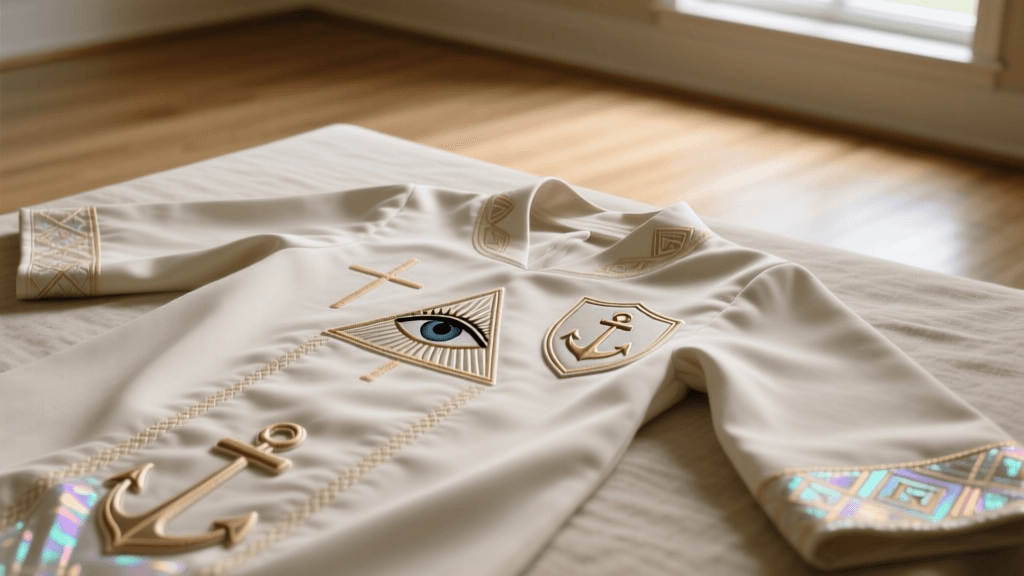
The specific marks woven into the fabric correspond to symbolic tokens taught during the temple endowment. Because of this sacred nature, members are counseled to treat the garments with the utmost respect, never leaving them on the floor, never altering the sacred marks, and disposing of them in a specific, reverent manner when they become worn out.
Modern Garment Styles and Fabrics Available in 2026
The 2026 lineup of temple garments represents the most diverse and technologically advanced selection in the history of the Church. Members can now choose between several distinct fabric blends, each engineered for specific climates, activity levels, and sensory preferences. The distribution centers and online portals stock four primary fabric categories:
| Fabric Type | Composition | Best Use Case | Breathability |
|---|---|---|---|
| Classic Cotton | 100% Combed Cotton | Everyday wear, sensitive skin, cooler climates | High |
| Stretch Mesh | Cotton/Polyester/Spandex Blend | Hot weather, form-fitting clothing, active lifestyles | Very High |
| Performance Athletic | Moisture-Wicking Synthetic Blend | Sports, heavy labor, high-humidity environments | Maximum |
| Modal Luxe | Micro-Modal / Elastane | Professional wear, ultra-soft feel, travel | High |
Women's Styles in 2026
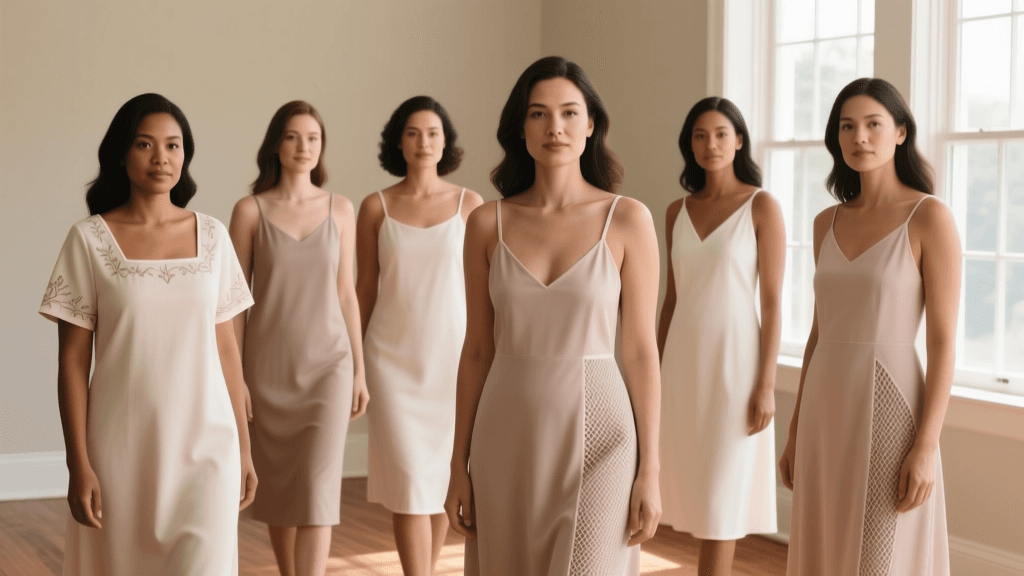
For women, the 2026 catalog offers unprecedented versatility. The standard tops now include cap-sleeve, v-neck, scoop-neck, and ruched-shoulder options. In recent years, the Church introduced modular and specialized designs that have become standard fixtures in 2026. These include maternity panels that stretch comfortably over a growing belly, nursing-friendly tops with discreet access points, and camisole-style tops with built-in shelf bras for added support. The bottoms are available in standard brief, boy-short, and mid-thigh lengths, ensuring that women can maintain modesty and comfort regardless of their outer wardrobe.
Men's Styles in 2026
Men's options have similarly expanded. While the classic crew-neck and v-neck t-shirts remain the most popular, the 2026 catalog features deep-v necks designed to remain hidden beneath unbuttoned casual shirts. For the bottoms, men can choose between traditional briefs, boxer-briefs, and extended athletic boxer-briefs that prevent chafing during physical labor or exercise. The introduction of the Performance Athletic fabric has been particularly popular among men working in construction, agriculture, or those serving missions in tropical climates.
Sizing, Fit, and Purchasing Guidelines
Purchasing temple garments is restricted to members who hold a current, valid temple recommend. This policy ensures that the sacred nature of the clothing is respected and that only those who have made the associated covenants are acquiring them. In 2026, the purchasing process is highly streamlined, blending physical distribution centers with a robust e-commerce platform.
Members can purchase garments through the following authorized channels:
- Temple Distribution Centers: Located adjacent to most major temples worldwide, these physical stores allow members to try on sizing samples and purchase inventory on the spot.
- Deseret Book Stores: Select physical Deseret Book locations across the Americas maintain a garment room for authorized purchases.
- Online Distribution: The official online portal at Deseret Book's official garment distribution allows members to log in with their Church Account, verify their temple recommend status digitally, and order garments directly to their home.
Sizing in 2026 is highly precise. The online portal features an updated digital sizing calculator that uses height, weight, and specific body measurements to recommend the exact size and style combination. For women, this includes bust and hip measurements to ensure the ruched and stretch-mesh options fit correctly without compromising the placement of the sacred marks. The Church also offers custom-length adjustments for individuals with unique physical proportions or disabilities, ensuring that the covenant reminder is accessible to all members.
Global Availability and Shipping
As the Church continues to expand its temple footprint globally—with over 300 temples announced, under construction, or operating as of 2026—the distribution network has adapted. While members in the United States and Canada enjoy rapid, subsidized shipping, members in Latin America, Africa, and Asia now benefit from regional distribution hubs established in the mid-2020s. These hubs reduce shipping times and lower the cost of acquiring sacred clothing, reflecting the Church's commitment to making the garments accessible to its increasingly international membership.
Care, Maintenance, and Respectful Disposal
Caring for temple garments is straightforward, but it requires a mindset of respect. Modern fabrics like the Stretch Mesh and Performance Athletic blends are machine washable and highly durable. However, members are counseled to avoid using harsh bleach that might degrade the fabric or the sacred marks over time. Tumble drying on low heat is recommended for cotton blends, while the Modal Luxe and Athletic fabrics are best air-dried to preserve their elasticity and moisture-wicking properties.
When garments become thin, torn, or otherwise unwearable, they must be disposed of properly. The longstanding directive from Church leadership requires members to cut out the sacred marks from the fabric first. These marks are then destroyed (usually by cutting them into small pieces or burning them) so they cannot be recognized. The remaining fabric, now stripped of its sacred symbols, can be discarded in the regular trash or repurposed as cleaning rags. This practice reinforces the theological distinction between the sacred symbols and the physical fabric that holds them.
Conclusion
The Mormon temple garment is far more than a piece of clothing; it is a profound textile tradition rooted in American religious history and sustained by a global faith. From the heavy flannel union suits of the 1840s to the moisture-wicking, ergonomically designed garments of 2026, the evolution of this sacred apparel mirrors the journey of the Latter-day Saints themselves. By blending deep spiritual symbolism with modern textile innovation, the Church ensures that its members can honor their ancient covenants while navigating the demands of contemporary life. For those seeking to understand the intersection of faith, culture, and clothing in the Americas, the LDS temple garment remains one of the most unique and enduring examples of religious dress in the modern world. For more information on temple preparation and ordinances, members and interested individuals can visit the official Church Temples website.