Authentic Zapotec Backstrap Woven Textiles: 2026 Guide
The Enduring Legacy of Zapotec Textile Arts
The rich tapestry of Latin American traditional garments is deeply woven with the history, cosmology, and environmental mastery of its Indigenous peoples. Among the most celebrated of these traditions are the textile arts of the Zapotec people in Oaxaca, Mexico. As we navigate the 2026 global ethical fashion market, the demand for traceable, artisanal, and culturally significant garments has reached an all-time high. Collectors, designers, and cultural enthusiasts are increasingly seeking out authentic Zapotec backstrap woven textiles, particularly those dyed with the legendary cochineal insect. However, the surge in popularity has also led to an influx of mass-produced imitations. This comprehensive 2026 guide will equip you with the knowledge to identify, source, and care for genuine Zapotec backstrap textiles, ensuring your investments honor the artisans and their ancestral techniques.
The Mechanics of the Telar de Cintura (Backstrap Loom)
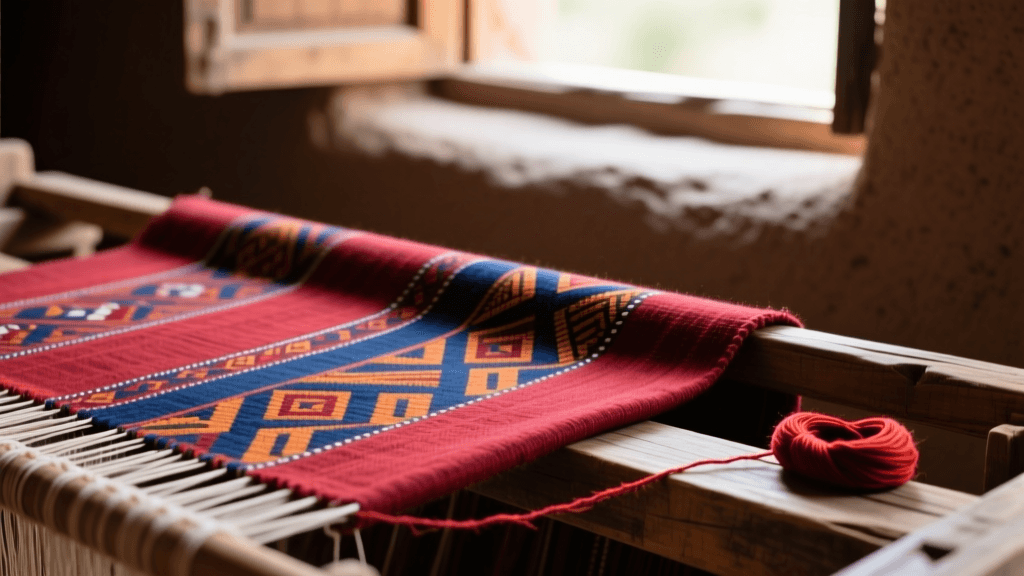
To understand the value of a genuine Zapotec textile, one must first understand the tool used to create it: the telar de cintura, or backstrap loom. This pre-Columbian technology relies entirely on the weaver’s body to create tension. One end of the loom is tied to a sturdy post or tree, while the other is secured around the weaver’s lower back via a thick leather or wooden strap. By leaning forward or backward, the artisan meticulously controls the warp tension, allowing for an incredibly tight, dense, and durable weave.
The physical limitation of the backstrap loom is its width. Because the tension is maintained by the human body, the maximum width of a single panel is generally restricted to the weaver’s reach, typically between 18 and 24 inches (45 to 60 centimeters). Wider garments, such as traditional huipiles (tunics) or large rebozos (shawls), are created by weaving multiple panels and joining them with intricate, nearly invisible hand-stitched seams known as randas. If you are examining a wide textile in 2026 and it features a perfectly continuous, seamless width exceeding 24 inches, it was not woven on a traditional backstrap loom.
Cochineal: The "Red Gold" of Oaxaca in 2026
No discussion of Zapotec textiles is complete without addressing grana cochinilla (cochineal). This vibrant crimson dye is derived from the Dactylopius coccus, a tiny scale insect that feeds on the nopal (prickly pear) cactus. For centuries, cochineal was one of the most valuable exports from the Americas, prized by European royalty and the Catholic Church. Today, it remains a cornerstone of Oaxacan textile identity.
The dyeing process is an exercise in applied chemistry. The dried insects are ground into a fine powder and simmered in water. However, the true magic lies in the mordants—mineral fixatives that alter the pH and bind the color to the natural cotton or wool fibers. By adding acidic lime juice, the weaver shifts the color to a brilliant orange. By introducing alkaline wood ash or baking soda, the hue deepens into a rich maroon. Iron oxide produces somber purples and blacks, while alum yields the classic, fiery cochineal red.
In 2026, the cultivation of cochineal faces new challenges. Recent climate shifts and prolonged dry seasons in the Valles Centrales of Oaxaca have impacted nopal yields, driving the cost of raw, high-grade cochineal up significantly. Consequently, authentic cochineal-dyed garments have transitioned from accessible souvenirs to premium, investment-grade textile art. According to Britannica’s comprehensive guide to cochineal, the historical and biological complexity of this dye makes it one of the most colorfast natural dyes in the world, provided it is properly mordanted and cared for.
Identifying Authentic Zapotec Weaves: Backstrap vs. Pedal Loom
A common point of confusion for buyers is the difference between backstrap woven textiles and those made on the European-introduced pedal loom (telar de pedal). While pedal looms are also used by Zapotec artisans (particularly in Teotitlán del Valle for large rugs and tapestries), the backstrap loom is the exclusive domain of traditional garment making and intimate, fine-weave textiles. Below is a 2026 comparison chart to help you authenticate your purchases.
| Feature | Authentic Backstrap Loom (Telar de Cintura) | Pedal Loom (Telar de Pedal) / Imitation |
|---|---|---|
| Maximum Width | 18 to 24 inches (requires seams for wider pieces) | Up to 60+ inches continuous, seamless width |
| Selvedge Edges | Finished, tight edges directly off the loom | Often raw, cut, or hemmed after weaving |
| Tension & Drape | Highly dense, structured drape; feels substantial | Looser weave, lighter, more uniform but less dense |
| Production Time | 1 to 4 months for a single complex rebozo | A few days to a week for large yardage |
| Typical Garments | Huipiles, Rebozos, Caminos de Mesa (table runners) | Floor rugs, thick blankets, mass-market scarves |
Ethical Sourcing and 2026 Market Pricing
Sourcing authentic textiles in 2026 requires looking beyond the tourist markets of Oaxaca City and connecting directly with artisan cooperatives or certified cultural institutions. The Museo Textil de Oaxaca remains the gold standard for verifying authentic techniques and supporting weavers who preserve pre-Hispanic methods. Many cooperatives affiliated with the museum now utilize digital traceability tags, allowing buyers to scan a QR code and view the specific artisan, the village of origin, and the natural dyes used in the piece.
When budgeting for genuine Zapotec backstrap textiles in 2026, expect to pay a premium that reflects the hundreds of hours of labor and the high cost of natural dyes. Here is a realistic pricing guide for authentic, ethically sourced pieces:
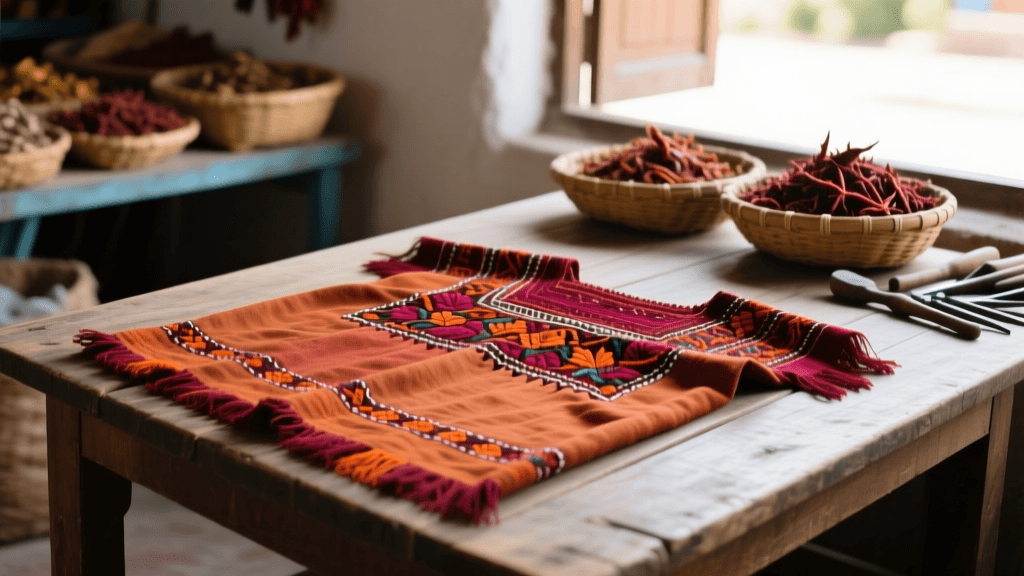
- Cochineal-Dyed Camino de Mesa (Table Runner): $120 – $250 USD. (Depends on the complexity of the brocade patterns).
- Everyday Cotton Huipil (Naturally dyed): $200 – $400 USD.
- Master-Weaver Silk/Cotton Rebozo (Cochineal & Indigo): $500 – $1,200+ USD. (These are museum-quality heirloom pieces).
Supporting these artisans aligns with the broader goals outlined in UNESCO’s Intangible Cultural Heritage frameworks, which emphasize the importance of safeguarding traditional craftsmanship against the pressures of industrialization and fast fashion.
Caring for Your Cochineal-Dyed Textiles
Owning a natural-dyed, backstrap woven garment is a commitment to preservation. Cochineal is remarkably colorfast, but it is highly sensitive to extreme pH levels and harsh chemicals. To ensure your textile survives for generations, follow these 2026 best practices for garment care:
- Washing: Never use commercial laundry detergents, which are highly alkaline and will strip the cochineal dye, turning vibrant reds into dull, muddy browns. Instead, hand-wash in cold water using a pH-neutral soap, such as baby shampoo or specialized natural fiber washes.
- Drying: Avoid direct sunlight, which can bleach natural dyes over time. Roll the textile in a clean, dry towel to press out excess moisture, then lay it flat in a shaded, well-ventilated area.
- Storage: Store cotton and wool textiles in breathable cotton bags. Never use plastic bins, which trap moisture and invite mold or moth infestations. Include natural cedar blocks or dried lavender to deter pests without introducing harsh chemical mothballs that can alter the dye’s chemistry.
Conclusion
The Zapotec backstrap woven textile is far more than a garment; it is a living document of Indigenous resilience, mathematical precision, and botanical mastery. By understanding the mechanics of the telar de cintura, the chemistry of cochineal, and the ethical sourcing landscape of 2026, you can build a collection that respects the hands that wove it and the culture that sustains it.