Authentic Oaxacan Huipiles vs Replicas: 2026 Buyer Guide
The Enduring Legacy of the Oaxacan Huipil
The huipil is far more than a simple garment; it is a wearable codex of indigenous identity, history, and cosmology. Originating from pre-Columbian Mesoamerica, the traditional huipil remains a vital part of daily and ceremonial life for countless Zapotec, Mixtec, and Mazatec women in the southern Mexican state of Oaxaca. However, as global interest in slow fashion and traditional textile arts has surged, so too has the market for mass-produced, culturally appropriated replicas. In 2026, navigating the market requires a discerning eye, an understanding of traditional techniques, and a commitment to ethical sourcing.
For collectors, cultural enthusiasts, and conscious consumers, distinguishing between an authentic, handwoven Oaxacan huipil and a factory-made imitation is essential. This comprehensive guide will walk you through the anatomy of the garment, the chemistry of natural dyes, current 2026 market pricing, and the legal frameworks now protecting indigenous intellectual property.
The Anatomy of an Authentic Huipil
An authentic Oaxacan huipil is traditionally constructed from one, two, or three rectangular panels of handwoven fabric known as lienzos. These panels are woven on a backstrap loom (telar de cintura), a device that relies on the weaver's body weight to maintain tension on the warp threads. This ancient technology allows for unparalleled control over the tension and intricacy of the weave, resulting in a fabric that is both durable and deeply personal.
The Art of Brocade
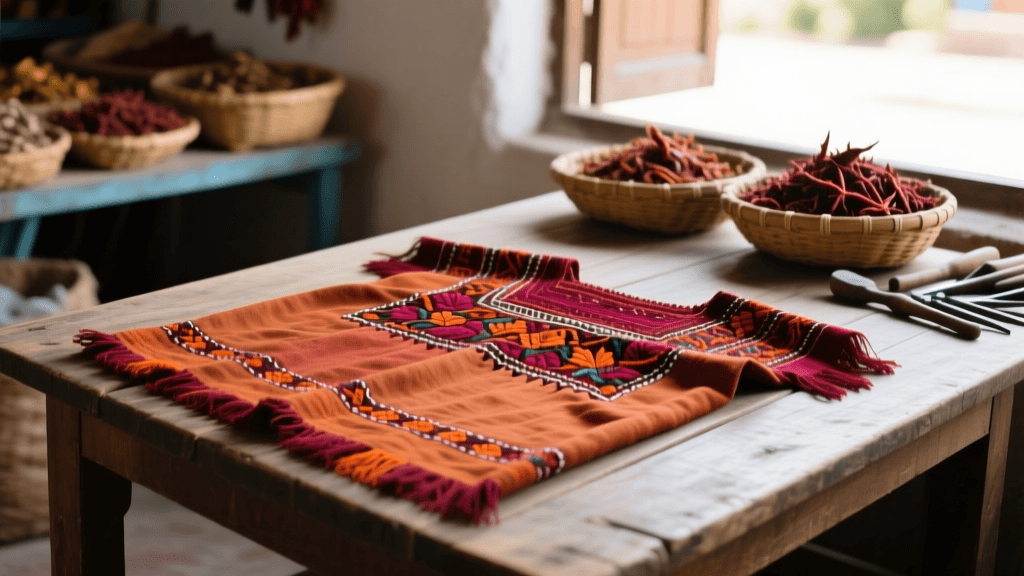
What many untrained observers mistake for embroidery is actually brocade (supplementary weft weaving). In authentic pieces, the intricate geometric patterns, flora, and fauna motifs are woven directly into the fabric as it is being created on the loom. The artisan introduces colored threads into the weft row by row, building the pattern from memory and oral tradition. If you turn an authentic huipil inside out, the pattern should be nearly as clear and clean as it is on the front. In contrast, machine-made replicas or post-weave embroidery will show messy, chaotic thread work on the reverse side.
The Randa: A Seam of Strength
When multiple lienzos are required to achieve the desired width, they are joined together using a decorative, hand-stitched seam called a randa. This seam is not merely functional; it is an opportunity for the artisan to showcase their needlework skills, often utilizing complex lace-like stitching that allows the garment to stretch and move with the wearer.
Natural Dyes: The Chemistry of Color
The use of natural dyes is a hallmark of high-end, authentic Oaxacan textiles. While synthetic aniline dyes are common in cheaper, everyday garments, master weavers reserve natural dyes for their finest work. In 2026, the revival of ancestral dyeing techniques has reached new heights, driven by consumer demand for sustainable, non-toxic fashion.
- Cochineal (Dactylopius coccus): This parasitic insect, which lives on native nopal cacti, is dried and ground to produce a potent carminic acid. By altering the pH with acidic lime juice or alkaline wood ash, artisans can extract a breathtaking spectrum of colors ranging from vibrant scarlet and deep magenta to soft purples.
- Indigo (Añil): Sourced from the leaves of the indigofera plant, this dye requires a complex fermentation and reduction vat process to yield its signature, colorfast blues. Authentic indigo will have a slight, earthy scent and may show subtle variations in shade.
- Pericón and Marigold: These native plants are boiled to extract brilliant, warm yellows and oranges, often used to depict the sun or agricultural abundance in brocade motifs.
Authentic vs. Replica: 2026 Comparison Chart
Use the following table to evaluate a potential purchase. The disparities in time, materials, and ethical compensation are stark.
| Feature | Authentic (Artisan-Made) | Replica (Mass-Produced) |
|---|---|---|
| Material | Hand-spun or high-grade mercerized cotton, silk | Synthetic blends, cheap polyester-cotton |
| Dyes | Cochineal, indigo, pericón, natural mordants | Synthetic aniline dyes, chemical fixatives |
| Loom Type | Backstrap loom (telar de cintura) | Industrial power looms, pedal looms |
| Motif Integration | Supplementary weft (brocade), reversible | Machine embroidery or printed graphics |
| Seams (Randa) | Hand-stitched, decorative lace-like joining | Machine-serged, flat, utilitarian stitching |
| Production Time | 2 to 6 months of daily labor | Minutes per unit in a factory setting |
| 2026 Price Range | $180 – $1,500+ USD | $25 – $60 USD |
Sourcing and Pricing in 2026
The market for traditional textiles has shifted significantly. According to the Museo Textil de Oaxaca, a leading institution dedicated to the preservation and promotion of indigenous weaving, the push for fair trade has helped stabilize artisan incomes, but it has also raised the baseline price for authentic pieces. In 2026, a simple, single-panel daily-wear huipil woven with commercial cotton thread will typically cost between $120 and $250 USD. However, a multi-panel, ceremonial huipil featuring complex silk brocade and natural cochineal dyes can easily command $800 to $1,500 USD or more.
Where to Buy Ethically
To ensure your purchase directly benefits the weaving communities of Oaxaca, avoid unverified online marketplaces and fast-fashion boutiques. Instead, seek out certified cooperatives and established cultural institutions. The Fair Trade Federation maintains directories of vetted organizations that guarantee artisans receive a living wage and work in safe conditions. Purchasing directly from recognized Oaxacan cooperatives, such as those affiliated with the Museo Textil de Oaxaca or the Cooperativa 1050°, ensures traceability and cultural respect.
Caring for Handwoven Cotton and Natural Dyes
An authentic huipil is an heirloom piece that can last for generations if cared for properly. Natural dyes, while beautiful, require specific maintenance to prevent fading or bleeding.
- Washing: Never machine wash or dry clean an authentic huipil. Hand wash the garment in cold water using a pH-neutral, mild detergent or specialized textile soap. Do not soak for extended periods.
- Drying: Gently press out excess water by rolling the garment in a clean, dry towel. Lay it flat to dry in a shaded, well-ventilated area. Direct sunlight will rapidly degrade natural dyes, particularly cochineal and indigo.
- Ironing: If pressing is necessary, use a low-heat setting and place a damp cotton cloth between the iron and the huipil to protect the raised brocade threads from being crushed.
- Storage: Store the garment flat or gently folded in a breathable cotton bag. Avoid plastic bins, which can trap moisture and lead to mildew. Include natural cedar blocks to deter pests without introducing harsh chemical odors to the fibers.
Cultural Appreciation and Indigenous IP Rights
As you build your collection, it is vital to understand the legal and ethical landscape surrounding indigenous garments. In recent years, the Mexican government has taken aggressive steps to protect traditional designs from corporate plagiarism. The Secretaría de Cultura has been instrumental in enforcing the Federal Law for the Protection of the Cultural Heritage of Indigenous and Afro-Mexican Peoples. As of 2026, commercial brands are strictly prohibited from mass-producing and profiting from indigenous motifs without the explicit, documented consent and financial partnership of the originating communities.
'When you purchase an authentic huipil, you are not merely buying a piece of clothing. You are investing in the survival of a language, a cosmology, and the economic sovereignty of indigenous women.' — Curator, Museo Textil de Oaxaca
Wearing a huipil as a non-indigenous person requires tact and respect. It should never be treated as a costume or worn in a manner that mocks or trivializes its cultural significance. By educating yourself on the region, the weaver, and the meaning behind the motifs, you transition from a passive consumer to an active patron of Latin American textile arts. In 2026, the most valuable accessory you can pair with an Oaxacan huipil is a deep, informed respect for the hands that wove it.