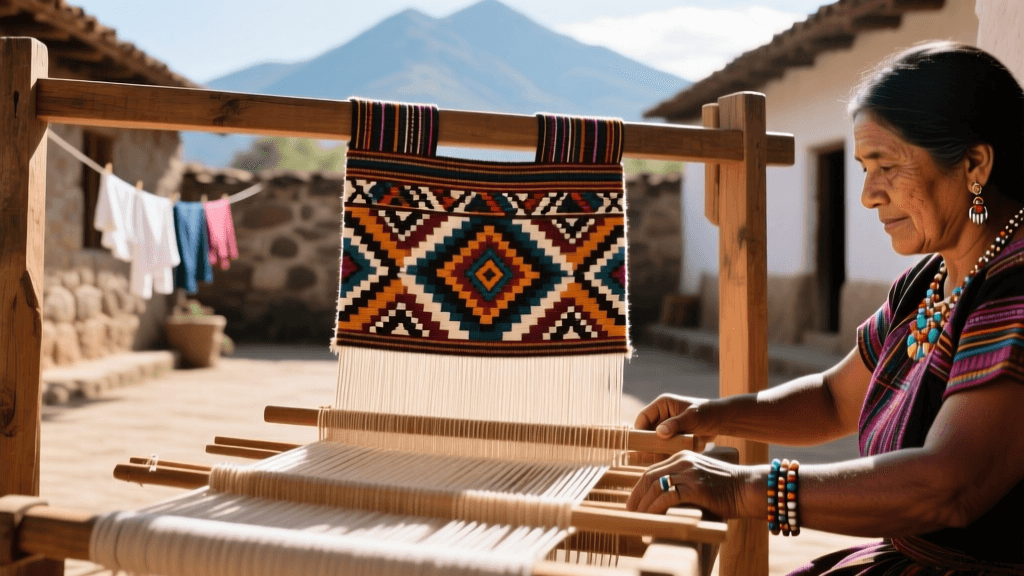
The 2026 NYC and LA Garment District Sourcing Guide
The 2026 Landscape of American Garment Manufacturing
As we navigate the fashion and textile landscape in 2026, the United States remains a vital hub for small-batch manufacturing, heritage textile sourcing, and the production of traditional garments. For designers, artisans, and cultural preservationists focused on the Americas and Indigenous clothing traditions, domestic sourcing offers unmatched transparency, reduced carbon footprints, and the ability to support local labor. The New York City Garment District and the Los Angeles Fashion District stand as the twin pillars of American textile production. However, the landscape in 2026 looks vastly different than it did even a few years ago, shaped by new sustainability mandates, AI-driven inventory management, and a renaissance in heritage craftsmanship.
Whether you are sourcing heavy Melton wool for traditional Native American ribbon skirts, organic undyed canvas for historical workwear, or contemporary sustainable denim for Indigenous-inspired streetwear, understanding the distinct personalities, regulations, and vendor networks of these two districts is essential. This comprehensive guide will walk you through the 2026 realities of sourcing in NYC and LA, providing actionable data, cost expectations, and strategies for traditional garment makers.
New York City: The Epicenter of Heritage Wools and Bespoke Trims
The NYC Garment District, historically nestled between 34th and 42nd Streets from Fifth to Ninth Avenues, remains the premier destination for high-end, specialized, and heritage textiles. In 2026, the district has fully adapted to the New York Fashion Sustainability and Social Accountability Act, meaning vendors are now required to provide rigorous Digital Product Passports (DPPs) detailing the origin, water usage, and labor conditions of their fabrics.
For makers of traditional and historical garments, NYC is unmatched. Showrooms here specialize in dense, felted wools, heavy-duty selvedge canvases, and intricate bespoke trims that are virtually impossible to source elsewhere in the country. According to Save the Garment Center, the district has seen a 15% increase in small-batch heritage brands establishing local sourcing relationships over the past year, driven by a desire to preserve traditional American and Indigenous tailoring techniques. Buildings like 224 West 38th Street continue to house multi-generational fabric importers who stock European and domestic wools essential for Métis sashes, Ojibwe regalia, and historical reenactment clothing.
Navigating NYC in 2026 requires preparation. The era of walking into a showroom unannounced to browse bolts of fabric is largely over. Most high-end heritage vendors now operate via a hybrid model: digital showrooms for initial swatching and AI-optimized inventory checks, followed by scheduled in-person appointments for tactile evaluation and bulk purchasing. Minimum Order Quantities (MOQs) in NYC have stabilized, but prices reflect the premium nature of the materials and the strict compliance costs associated with New York's 2026 labor and environmental laws.
Los Angeles: Sustainable Cottons, Denim, and Artisanal Bases
While NYC dominates the heritage wool and formalwear market, the Los Angeles Fashion District—centered around Maple Avenue and 9th Street in Downtown LA—is the undisputed king of casualwear, denim, and sustainable natural fibers. In 2026, California's expanded Garment Worker Protection Act and stringent eco-compliance standards have transformed LA into a global leader in organic and regenerative textiles.
For Indigenous designers and traditional garment makers focusing on plant-based fibers, LA is a treasure trove. The district is packed with suppliers offering raw, unbleached organic cotton, hemp blends, and heavy denim. These undyed bases are highly sought after by artisans who utilize traditional natural dyeing techniques, employing indigenous botanicals such as cochineal, black walnut, sage, and indigo. The California Fashion Association notes that LA's cut-and-sew contractors have also become increasingly adept at handling small-batch, intricate production runs, making it easier for Native American designers to scale contemporary fusion collections without sacrificing cultural integrity or artisanal quality.
LA's market is faster-paced and more volume-oriented than NYC's, but a growing subset of 'slow fashion' jobbers and eco-conscious mills have carved out a niche specifically catering to heritage and Indigenous-inspired brands. Sourcing here in 2026 means leveraging the district's robust digital infrastructure; many Maple Avenue vendors now offer same-day local delivery for swatch books and utilize blockchain-verified tags to prove the organic and fair-trade origins of their cottons.
2026 Sourcing Comparison: NYC vs. LA
To help you determine which hub best suits your traditional or heritage garment project, we have compiled a direct comparison of the two districts based on 2026 market data.
| Feature | NYC Garment District (Midtown) | LA Fashion District (Downtown) |
|---|---|---|
| Primary Specialties | Heritage wools, bespoke trims, heavy canvases, silk | Sustainable cottons, denim, jersey, contemporary knits |
| Average 2026 MOQ | 50 - 100 yards per colorway | 30 - 60 yards per colorway (or roll minimums) |
| Cost per Yard (Heritage Base) | $18 - $45+ (Premium wools/selvedge) | $12 - $28 (Organic cottons/denim) |
| Lead Times (2026) | 2 - 4 weeks (often in-stock for domestic) | 1 - 3 weeks (highly responsive to fast fashion) |
| Best For | Traditional regalia, high-end workwear, historical garments | Indigenous-inspired streetwear, eco-friendly casuals, denim |
Step-by-Step Sourcing Strategy for Traditional and Heritage Brands
Sourcing in these major hubs requires a strategic approach, especially when dealing with the specialized materials needed for Indigenous and traditional American clothing. Follow these steps to optimize your 2026 sourcing trips:
- Step 1: Secure Your Digital Product Passports (DPPs)
Before finalizing any purchase, request the DPP for the textile. In 2026, both NY and CA mandate these digital records. For traditional garments, verifying that a wool is ethically sheared or a cotton is regeneratively grown is not just a marketing tool; it is a core component of sustainable Indigenous design philosophies. - Step 2: Pre-Book Showroom Appointments
Use industry platforms to book appointments at least three weeks in advance. When requesting a meeting, explicitly state your interest in 'heritage weights,' 'undyed bases,' or 'traditional broadcloth equivalents.' This ensures the sales representatives prepare the correct swatch books, saving you hours of browsing irrelevant fast-fashion synthetics. - Step 3: Negotiate Roll Minimums vs. Yardage
While standard MOQs are 50 yards in NYC, many vendors will allow you to purchase a full roll (often 60 to 100 yards) at a 15% discount. For makers producing beadwork-heavy regalia or ribbon skirts that require high yardage per piece, buying full rolls of solid, foundational colors (like black, red, and navy broadcloth) is the most cost-effective strategy. - Step 4: Vet Cut-and-Sew Contractors for Specialty Techniques
If you are outsourcing production, ensure your contractor has experience with heavy fabrics. Standard LA jersey contractors may struggle with the dense Melton wools used in traditional winter garments. Always ask for a 'toile' or prototype using the exact heritage fabric before approving a full production run.
Sourcing for Indigenous and Traditional Garment Makers
For designers and artisans creating traditional Indigenous garments—such as Métis sashes, Ojibwe ribbon skirts, or contemporary Native American streetwear—sourcing the right base fabrics is paramount. In 2026, the demand for authentic Stroud cloth, heavy wool broadcloth, and undyed organic cotton has surged. While true historical Stroud cloth is rare, specialized vendors in the NYC Garment District carry dense, felted wool blends that mimic the weight, durability, and drape required for traditional appliqué and heavy beadwork.
In Los Angeles, makers can source raw, unbleached organic cotton canvas and heavy denim, which serve as excellent foundations for natural dyeing techniques using indigenous plants. Furthermore, LA's network of small-batch cut-and-sew contractors is increasingly adept at handling intricate embroidery and patchwork, allowing Indigenous designers to scale their contemporary collections without sacrificing cultural integrity. As reported by Apparel News, the integration of traditional indigenous motifs with modern, sustainable LA streetwear has become one of the fastest-growing niches in the California market this year.
Conclusion
The NYC and LA garment districts remain the lifeblood of American textile manufacturing in 2026. By understanding the distinct advantages of each hub—NYC for heritage wools and bespoke trims, and LA for sustainable cottons and denim—designers of traditional, Indigenous, and heritage garments can source materials that honor the past while embracing the sustainable and transparent future of the fashion industry. Plan your appointments, leverage digital transparency tools, and build lasting relationships with domestic vendors to ensure your traditional garments are crafted with the highest quality materials available.