Authentic Guatemalan Huipil Sourcing and Pricing 2026
The Cultural Heritage of the Mayan Huipil
The huipil is far more than a traditional garment; it is a profound expression of Mayan identity, cosmology, and ancestral memory. Worn by Indigenous women across Guatemala, the huipil (pronounced wee-peel) serves as a visual language that communicates the wearer's specific village, social status, and personal beliefs. As we navigate the global textile market in 2026, the demand for these handwoven masterpieces has surged, driven by a growing appreciation for slow fashion and Indigenous artistry. However, this increased visibility has also led to a proliferation of machine-made imitations and exploitative middlemen. For collectors, designers, and cultural enthusiasts, understanding the intricate backstrap loom weaving techniques and knowing how to ethically source authentic pieces is more critical than ever.
Anatomy of a Backstrap Loom Masterpiece
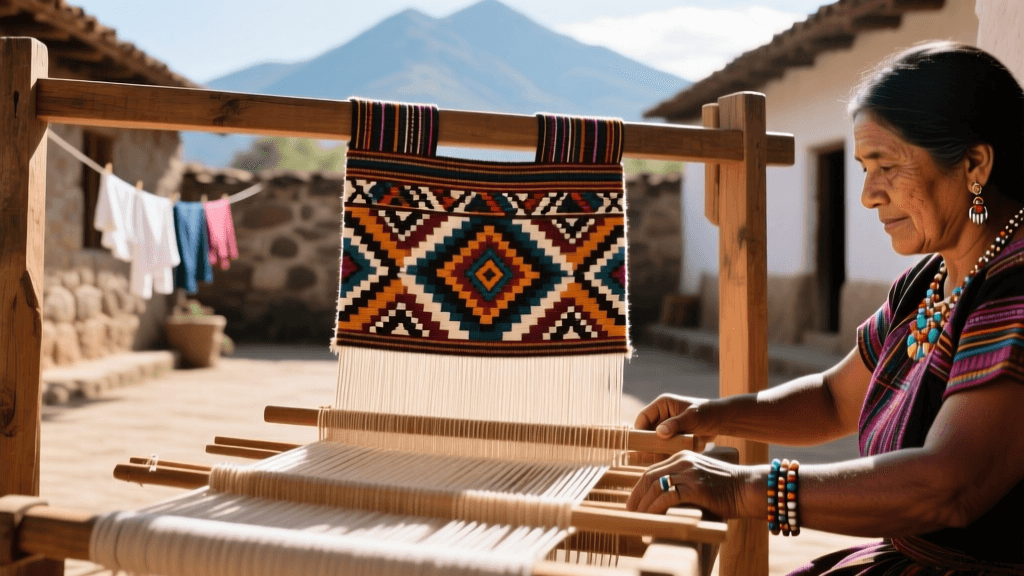
Authentic huipiles are woven on a backstrap loom, or telar de cintura. This ancient, portable device consists of two parallel wooden bars; one is tied to a sturdy post or tree, while the other is secured around the weaver's lower back via a leather or woven strap. By leaning forward or backward, the weaver controls the tension of the warp threads with her own body weight, allowing for an incredibly tight and precise weave that foot-treadle looms cannot replicate.
The Supplementary Weft Technique
The vibrant, intricate patterns that characterize Mayan textiles are not embroidered onto the fabric. Instead, they are woven directly into the cloth using a technique known as supplementary weft or brocade. The weaver meticulously counts and manipulates additional colored threads alongside the standard weft thread, creating complex geometric and figurative motifs. A single ceremonial huipil from regions like Nahualá or Chichicastenango can take anywhere from three to six months of daily weaving to complete, representing hundreds of hours of skilled labor.
Standard Measurements and Construction
Because the backstrap loom is limited by the weaver's arm span, huipiles are typically constructed from two or three separate panels of cloth. These panels are then joined together using a decorative hand-stitched seam called a randa. In 2026, the standard width for a single backstrap-woven panel remains between 16 and 24 inches, meaning a three-panel huipil will generally measure 48 to 72 inches across when laid flat, offering a generous, boxy silhouette that drapes beautifully.
2026 Market Pricing and Value Chart
Navigating the pricing of traditional garments can be challenging, especially with the economic shifts and inflation adjustments affecting the Guatemalan Quetzal (GTQ) and global shipping rates in 2026. The value of a huipil is determined by its age, the complexity of the weave, the quality of the thread (cotton vs. synthetic blends), and its regional origin. Below is a comprehensive pricing guide for buyers and collectors in the current market.
| Huipil Category | Description & Characteristics | 2026 Price Range (USD) | 2026 Price Range (GTQ) |
|---|---|---|---|
| Everyday Huipil (Nuevo) | Newly woven, simpler brocade, often mixed cotton/acrylic threads. Woven in 3-5 weeks. | $80 - $150 | Q620 - Q1,170 |
| High-End Everyday (Nuevo) | 100% mercerized cotton, dense supplementary weft, complex regional motifs. Woven in 2-3 months. | $180 - $350 | Q1,400 - Q2,730 |
| Ceremonial Huipil (Nuevo) | Heavyweight cotton, elaborate double-faced brocade, specific ritualistic designs. Woven in 4-6 months. | $400 - $850+ | Q3,120 - Q6,630+ |
| Vintage Huipil (1970s-1990s) | Pre-worn, natural dyes or early commercial dyes, high historical and ethnographic value. | $250 - $600 | N/A (Export Market) |
| Antique Huipil (Pre-1970) | Museum-quality, hand-spun cotton, rare natural indigo or cochineal dyes. Sourced via auctions. | $1,200 - $5,000+ | N/A (Export Market) |
How to Authenticate Handwoven Textiles in 2026
With the rise of digital printing and computerized embroidery machines, the market has been flooded with 'huipil-style' garments that hold no cultural or economic value for the original weavers. When sourcing textiles in markets like Antigua, Chichicastenango, or online in 2026, use these actionable authentication tests to ensure you are purchasing a genuine backstrap-woven piece.
1. The Reverse Side Test
Turn the garment inside out. Because authentic brocade is woven into the fabric, the reverse side will show the pattern almost as clearly as the front, though the floats (the loose threads carrying the color) may be visible. If the reverse side is blank, covered in white interfacing, or shows the distinct, uniform stitching of a sewing machine, the design has been machine-embroidered or ironed on.
2. The Selvedge Edge Inspection
Examine the top and bottom edges of the fabric panels. A true backstrap loom produces a finished, continuous selvedge edge where the weft thread loops back into the shed. If the bottom edge of the garment is cut and hemmed, it was likely woven on a foot-treadle loom (which produces endless yardage) or is a factory-made imitation.
3. The Irregularity Factor
Human hands are not machines. Look closely at the tension of the weave and the alignment of the geometric patterns. Authentic huipiles feature microscopic variations in thread tension and slight asymmetries in the motif placement. Perfect, mathematically identical repetition is a hallmark of digital jacquard weaving.
Ethical Sourcing: Direct-to-Weaver Cooperatives
The most critical aspect of collecting Latin American traditional garments in 2026 is ensuring your purchase directly benefits the Indigenous artisans. The global textile supply chain often marginalizes the weavers, with middlemen capturing the majority of the profit. To combat this, seek out established, women-led cooperatives that guarantee fair wages, provide business training, and preserve ancestral techniques.
Recommended Cooperatives for 2026
- Trama Textiles: Based in Quetzaltenango, this association represents over 400 backstrap weavers from various highland communities. They are renowned for their transparency, fair-trade certifications, and exquisite contemporary home goods and garments. You can visit their showroom in Xela or order directly through their verified portal at Trama Textiles.
- Casa Flor Ixcaco: Located in San Juan La Laguna, this cooperative specializes in the revival of natural plant dyes, including indigo, sacatinta, and pericón. Their huipiles are masterclasses in sustainable, eco-friendly textile arts.
- Nest-Certified Artisans: When shopping online from international boutiques, look for the Nest seal of ethical transparency. Nest is a global non-profit that audits artisan businesses to ensure fair labor practices, safe working conditions, and the preservation of cultural heritage.
Red Flags When Buying from Middlemen
If you are navigating the physical markets in Guatemala or purchasing from third-party vintage dealers online in 2026, be wary of the following red flags:
- Uniform Sizing: Authentic huipiles are woven to fit the specific body of the original wearer. If a vendor has 50 huipiles in identical 'Small, Medium, and Large' factory cuts, they are selling mass-produced souvenirs, not traditional garments.
- Distressed Pricing: If a vendor is selling a heavy, three-panel, densely brocaded ceremonial huipil for $25, the weaver was likely exploited. A piece of that magnitude requires months of labor and expensive cotton thread; the price should reflect that reality.
- Vague Provenance: Authentic dealers will know exactly which village a huipil originates from based on the color palette and motif dictionary. If the seller simply calls it 'Mayan style' without regional attribution, proceed with caution.
Caring for and Styling Your Handwoven Garment
A genuine cotton huipil, when cared for properly, can last for generations. The heavy, dense weave of the supplementary weft requires specific maintenance to prevent color bleeding and structural stress.
Washing Instructions
Never machine wash or dry clean a traditional backstrap-woven textile. Dry cleaning chemicals can strip the natural oils from hand-spun cotton and cause commercial dyes to fade. Instead, hand wash the garment in cold water using a pH-neutral, color-safe detergent. Submerge the huipil gently and avoid aggressive rubbing, which can cause the supplementary weft threads to snag or pull. Rinse thoroughly in cold water until the water runs clear.
Drying and Storage
Never wring out a huipil. The twisting motion can warp the tension of the backstrap-woven panels and damage the delicate randa seams. Instead, lay the wet garment flat on a clean, dry towel, roll the towel up like a sleeping bag to press out excess moisture, and then lay the huipil flat on a drying rack out of direct sunlight. For long-term storage in 2026, avoid wire hangers, which can stretch the heavy cotton shoulders. Fold the garment with acid-free tissue paper and store it in a breathable cotton bag in a cool, dry environment.
Modern Styling Applications
While the huipil is traditionally worn with a woven corte (wrap skirt), contemporary styling in 2026 embraces its versatility. An everyday huipil can be belted over wide-leg linen trousers, tucked into a high-waisted maxi skirt, or worn loose as a statement tunic over denim. By treating the huipil as the focal point of your wardrobe, you honor the immense skill of the weaver while integrating Indigenous Latin American textile arts into modern, sustainable fashion.