Modern LDS Garment Styles, Materials & 2026 Updates
Understanding the Sacred Apparel: A Brief Context
For members of The Church of Jesus Christ of Latter-day Saints, the temple garment represents a deeply personal and sacred commitment. Often referred to simply as 'garments' or 'Mormon underwear' by those outside the faith, these undergarments serve as a physical reminder of covenants made in the temple. Over the decades, the design, materials, and styles of these garments have evolved significantly to meet the practical needs of a global membership. As we navigate 2026, the Church’s distribution centers offer an unprecedented variety of styles, fabrics, and specialized fits, ensuring that members from all walks of life and climates can wear their sacred apparel comfortably and consistently.
The evolution of the garment from its 19th-century origins—initially resembling a full-length, one-piece union suit made of heavy cotton or wool—to today’s modern, breathable, and highly tailored options reflects a careful balance between preserving sacred symbols and embracing modern textile technology. According to the official Church distribution guidelines, members are encouraged to select styles and materials that allow them to wear the garment throughout their daily lives, adapting to their personal comfort, climate, and lifestyle needs.
2026 LDS Garment Styles: Options for Men and Women
In 2026, the variety of garment styles available is more comprehensive than ever. The Church has systematically expanded its catalog over the last decade to address member feedback regarding fit, modesty under modern clothing, and gender-specific tailoring. Today, members can choose from a wide array of tops and bottoms, mixing and matching to create a customized wardrobe of sacred clothing.
Neckline and Sleeve Variations
For both men and women, the traditional crew neck remains a staple, offering full coverage and a classic fit that works well under standard t-shirts and button-downs. However, the v-neck option has become increasingly popular for men and women who wear dress shirts or blouses with open collars, allowing the garment to remain hidden while maintaining the required coverage of the sacred markings.
For women, the introduction of the scooped neckline and the cap-sleeve design has been a transformative update. These styles cater specifically to modern women’s fashion, which often features wider necklines and shorter sleeves. The women’s cap sleeve garment top provides the necessary coverage while remaining virtually invisible under contemporary blouses and dresses. Additionally, the sleeveless women’s top (which still maintains the required shoulder coverage) is available for wear under tank tops or sleeveless dresses during the summer months or in tropical climates.
Bottom Styles and Lengths
The lower half of the garment also features multiple iterations. For men, the traditional boxer-style bottom offers a relaxed fit, while the modern brief provides a more supportive, contemporary feel. Men also have access to knee-length options, which are particularly favored by athletes, runners, and those who wear longer shorts or active wear. For women, the classic brief is available alongside a longer, boy-short style that prevents riding up under skirts and dresses. The women’s knee-length option has also seen a surge in popularity in 2026, especially among younger women and those participating in sports or outdoor activities.
Material Breakdown: Choosing the Right Fabric in 2026
The choice of fabric is perhaps the most critical factor in garment comfort. In 2026, the Church utilizes advanced textile manufacturing to offer garments that cater to sensitive skin, extreme heat, high humidity, and active lifestyles. Below is a comparison of the primary materials currently available through Church distribution.
| Fabric Type | Breathability | Durability | Moisture Wicking | Best Climate / Use Case |
|---|---|---|---|---|
| 100% Cotton | High | Medium | Low | Temperate climates, sensitive skin |
| Cotton/Spandex Blend | Medium-High | High | Medium | Everyday wear, active lifestyles |
| Modal / Viscose | Very High | Medium | Medium | Hot/humid weather, layering |
| Performance Nylon | Medium | Very High | Very High | Athletics, extreme heat, travel |
Cotton and Cotton Blends
Traditional 100% cotton garments remain a favorite for those with sensitive skin or allergies to synthetic fibers. They are soft, natural, and highly breathable. However, pure cotton can retain moisture and lose its shape over time. To combat this, the cotton/spandex blend (typically 95% cotton and 5% elastane) has become the standard for everyday wear in 2026. The addition of spandex provides a gentle stretch, ensuring the garment retains its shape, resists shrinking in the wash, and moves fluidly with the body throughout the day.
Modal and Bamboo Viscose
For members living in tropical, humid, or exceptionally hot climates, modal and bamboo viscose blends are a revelation. These semi-synthetic fabrics are derived from natural wood pulp but are processed to create a fiber that is incredibly soft, lightweight, and cool to the touch. Modal garments drape beautifully, resist pilling, and do not trap heat against the skin. They are highly recommended for members who spend long hours outdoors or live in regions where traditional cotton would feel heavy and suffocating.
Performance and Synthetic Blends
The performance line, utilizing advanced nylon and polyester microfiber blends, is designed specifically for athletes, military personnel, and those with highly active lifestyles. These garments feature aggressive moisture-wicking properties, pulling sweat away from the skin to the exterior of the fabric where it can evaporate quickly. They are also exceptionally durable, resisting tears and abrasions, and they dry incredibly fast after washing—a major benefit for travelers or missionaries serving in areas with limited laundry access.
Recent Modern Updates and Inclusivity
The ongoing refinement of temple garments highlights a commitment to inclusivity and practical wearability. Recent coverage by the Deseret News faith desk highlights how modern textile advancements and direct member feedback have allowed for greater inclusivity in sacred apparel, ensuring that physical changes, pregnancies, and medical needs do not hinder a member's ability to wear the garment.
Women’s Specific Cuts and Maternity Options
One of the most praised updates in recent years, which continues to be refined in 2026, is the introduction of garments tailored specifically for the female form. Historically, garments were essentially scaled-down versions of men's patterns. Today, women’s garments feature darting and contoured seams that accommodate the bust and hips, eliminating the bunching and discomfort of older designs. Furthermore, the maternity garment line features expandable, soft-stretch panels over the abdomen, providing comfort and coverage throughout all trimesters of pregnancy and the postpartum period without compromising the sacred markings.
Heat-Weather and Seamless Designs
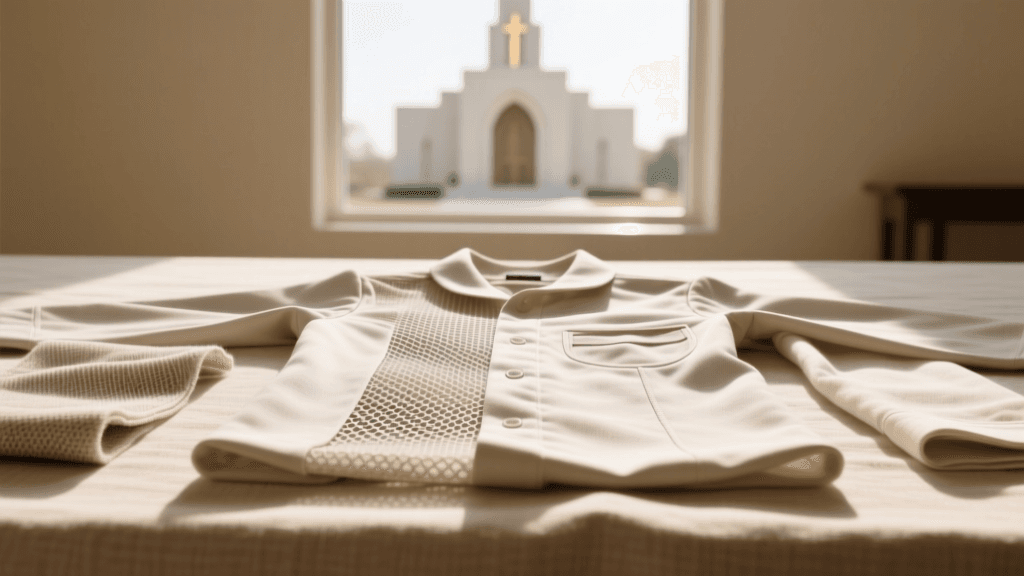
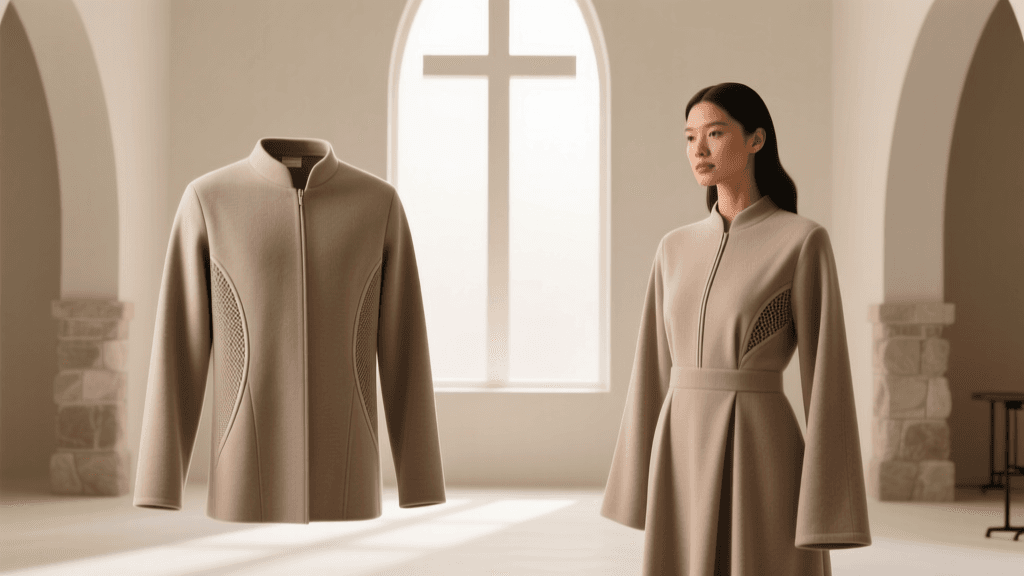
For those dealing with extreme heat or chafing, the Church has introduced specialized heat-weather garments. These feature strategic mesh paneling in high-sweat areas (such as the underarms and lower back) to maximize airflow while maintaining the required coverage of the sacred symbols. Additionally, seamless garment options are now widely available. Constructed using circular knitting technology, these garments lack side seams entirely, making them invisible under tight-fitting clothing and eliminating the friction that can cause skin irritation during long days of wear.
Purchasing, Sizing, and Garment Care
Acquiring garments in 2026 is a streamlined process. Members who have received their endowment can purchase garments online through the Church’s official distribution portal or in person at local distribution centers located near temples and major stake centers worldwide. The online store features detailed sizing charts, video guides on how to measure oneself accurately, and customer service representatives who can assist with specialized fitting questions.
Proper care is essential to extend the lifespan of these sacred items. While older cotton garments required careful washing and air-drying to prevent severe shrinkage, modern 2026 blends are designed for convenience. The Church recommends washing garments in cold or warm water with like colors and tumble drying on low heat. It is advised to avoid bleach, as it can degrade the elastane fibers and weaken the fabric over time. For members whose garments become worn, torn, or no longer fit due to weight changes, the Church provides respectful guidelines for retiring and disposing of old garments, ensuring the sacred markings are removed or destroyed before the fabric is discarded or repurposed.
Conclusion
The landscape of LDS temple garments in 2026 reflects a harmonious blend of deep spiritual reverence and cutting-edge textile innovation. By offering a diverse array of necklines, sleeve lengths, bottom styles, and specialized fabrics, the Church ensures that the sacred apparel is not a burden, but a comfortable, integrated part of a member's daily life. As the Church Newsroom has previously clarified, the design of the garment is meant to adapt to the wearer's life, providing a constant, quiet reminder of their covenants no matter where their journey takes them. Whether you are an athlete needing moisture-wicking nylon, a mother seeking comfortable maternity wear, or a professional looking for a hidden v-neck under a suit, the modern garment catalog has a tailored, respectful, and comfortable solution for you.