Mormon Temple Garments in 2026: Meaning, Purpose & Styles

Introduction to LDS Temple Garments
Across the Americas, clothing serves as more than mere protection from the elements; it acts as a profound marker of identity, faith, and cultural heritage. Within the landscape of American religious textiles, few garments carry as much personal significance and cultural curiosity as the temple garments worn by members of The Church of Jesus Christ of Latter-day Saints (often referred to as Mormon garments). As we navigate the textile traditions of 2026, understanding the intersection of faith, modesty, and modern fabric technology provides a unique window into this deeply sacred practice.
For endowed members of the Church, the temple garment is an intimate, sacred article of clothing worn beneath everyday attire. It is not merely a piece of fabric but a physical representation of spiritual covenants. This comprehensive guide explores the meaning, purpose, historical evolution, and modern 2026 styles of LDS temple garments, offering an authoritative look at one of the most distinctive religious textile traditions in North America.
The Sacred Meaning and Covenants
To understand the purpose of the garment, one must look to the Latter-day Saint temple endowment ceremony. During this sacred ordinance, participants make covenants (promises) with God regarding their conduct, devotion, and moral purity. The temple garment is given as a tangible reminder of these covenants. According to the Church's official teachings, the garment serves as a 'shield and a protection' to the wearer, a concept that is spiritual rather than physical or magical.
The garment features specific embroidered marks that hold deep symbolic meaning rooted in ancient scripture and temple liturgy. These marks include the square, the compass, the navel, and the knee. Each symbol serves as a mnemonic device, reminding the wearer of virtues such as honor, loyalty, integrity, and the eternal nature of the soul. As noted in the Church's Gospel Topics essays, the garment 'provides a constant reminder of the covenants made in the temple' and encourages a lifestyle of modesty and discipleship.
Historical Evolution of the Garment
The textile design of the temple garment has evolved significantly since its introduction in the mid-19th century. Early garments were one-piece union suits, extending from the wrists to the ankles, reflecting the modesty standards and practical needs of the pioneer era in the American West. They were typically made of heavy cotton or wool flannel, suitable for the harsh climates faced by early Latter-day Saint settlers.
As the 20th century progressed, the Church adapted the garment to meet the changing needs of its global membership. In the 1920s and 1930s, the sleeves and legs were shortened. By the late 20th century, the one-piece design was largely phased out in favor of the modern two-piece style, consisting of a t-shirt top and shorts-like bottom. This shift mirrored broader changes in global textile manufacturing and everyday fashion, allowing members to wear the garment comfortably under modern, tailored clothing while maintaining the required coverage.
Modern 2026 Styles and Fabric Technologies
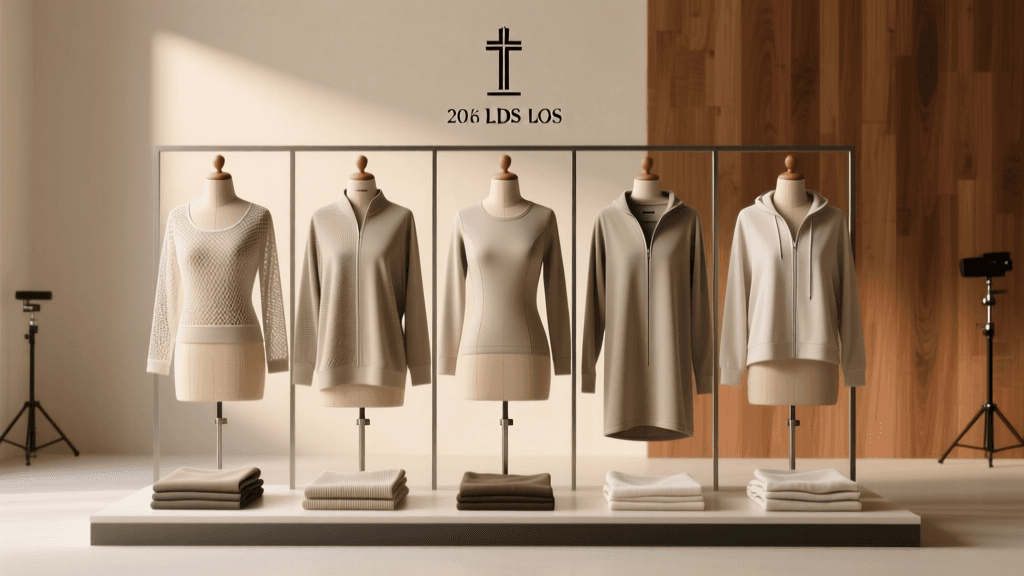
In 2026, the Church Distribution Services offers a highly refined array of garment styles and fabrics, leveraging advanced textile engineering to ensure comfort across diverse global climates. The modern garment is designed to be unobtrusive, breathable, and durable. Members can choose from various neckline styles, sleeve lengths, and bottom cuts to accommodate different outerwear fashions and personal comfort preferences.
Women's Styles
- Tops: Available in crew neck, v-neck, and scoop neck. Sleeve options include cap sleeves and short sleeves to remain hidden under various blouse styles.
- Bottoms: Options range from traditional brief cuts to boy-shorts and knee-length styles, accommodating everything from athletic wear to professional skirts.
Men's Styles
- Tops: Primarily offered in crew neck and v-neck, with short sleeves designed to sit comfortably beneath dress shirts or casual tees.
- Bottoms: Available in standard boxer-brief lengths and longer athletic cuts to prevent chafing during physical activity.
Fabric Comparison Chart: 2026 Options
Choosing the right fabric is essential for comfort, especially given the requirement to wear the garment day and night. Below is a comparison of the primary fabric technologies available through official Church distribution channels in 2026.
| Fabric Type | Material Composition | Ideal Climate & Use Case | Care Instructions |
|---|---|---|---|
| Classic Cotton | 100% Combed Cotton | Moderate climates, sensitive skin, daily wear | Machine wash warm, tumble dry low |
| Stretch Mesh | Nylon / Spandex Blend | Hot/humid climates, athletics, tight-fitting clothes | Machine wash cold, hang dry recommended |
| Modacrylic | Modacrylic / Cotton Blend | Flame-resistant needs, military personnel, travel | Machine wash warm, do not iron directly |
| Performance | Moisture-wicking Synthetics | High-heat environments, active lifestyles | Machine wash cold, avoid fabric softeners |
Inclusivity: Adaptive and Maternity Options
A significant and celebrated development in recent years, continuing into 2026, is the expansion of adaptive and specialized garments. Recognizing that the sacred covenants apply to all members regardless of physical ability, the Church has introduced adaptive garments designed for individuals with disabilities, ostomy pouches, feeding tubes, or limited mobility. These garments feature strategic openings, velcro closures, and modified seams that allow for medical access without requiring the member to remove the sacred clothing.
Additionally, maternity garments featuring expandable abdominal panels and stretch lace are widely available, ensuring comfort for expectant mothers. These inclusive textile innovations reflect a modern approach to religious dress, ensuring that the spiritual armor of the garment is accessible to every endowed member.
Traditions of Care, Washing, and Disposal
The care and disposal of temple garments are governed by strict guidelines outlined in the Church's General Handbook. Despite persistent urban legends, there are no special rituals, prayers, or separate washing machines required for laundering garments. Members are simply instructed to wash them with their regular laundry, treating them with the same respect afforded to any other clothing.
However, the disposal of worn-out or damaged garments is handled with profound reverence. When a garment reaches the end of its usable life, members are instructed to carefully cut out the embroidered marks. The remaining fabric is then cut into small, unrecognizable pieces before being wrapped and placed in the regular trash. In the past, burning or burying garments was common practice, but current 2026 guidelines advise against burning due to environmental and safety concerns, and burying is no longer recommended to prevent environmental contamination. The key principle is that the garment should never be donated, sold, or given to a thrift store, as it is considered sacred and exclusively for endowed members.
Purchasing and Distribution Guidelines
Temple garments are not available to the general public. To purchase them, an individual must have received their own endowment in a Latter-day Saint temple. Once endowed, members can purchase garments through the official Church Distribution Services online portal or in person at Deseret Book locations and temple distribution centers.
The cost of garments is kept intentionally low, subsidized by the Church to ensure that financial barriers do not prevent members from honoring their covenants. In 2026, a standard two-piece set typically costs between $10 and $15 USD, depending on the fabric technology chosen. Members are encouraged to purchase enough sets to allow for regular washing and rotation, ensuring they always have a clean garment available to wear.
Conclusion
The Mormon temple garment represents a fascinating intersection of ancient covenant theology and modern textile innovation. As of 2026, the continued refinement of fabrics, cuts, and adaptive options demonstrates a commitment to making this sacred clothing accessible and comfortable for a diverse, global membership. For the wearer, it remains a quiet, unseen anchor to their faith—a daily, tactile reminder of their spiritual commitments in an increasingly complex world.