Crafting Ojibwe Jingle Dress Regalia: 2026 Material Sourcing Guide
The Healing Origins of the Ojibwe Jingle Dress
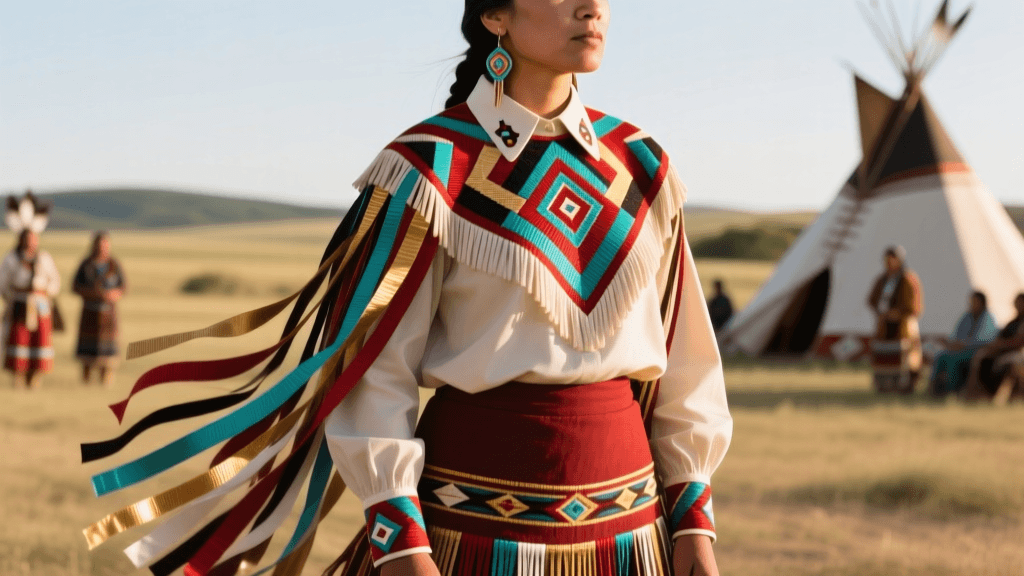
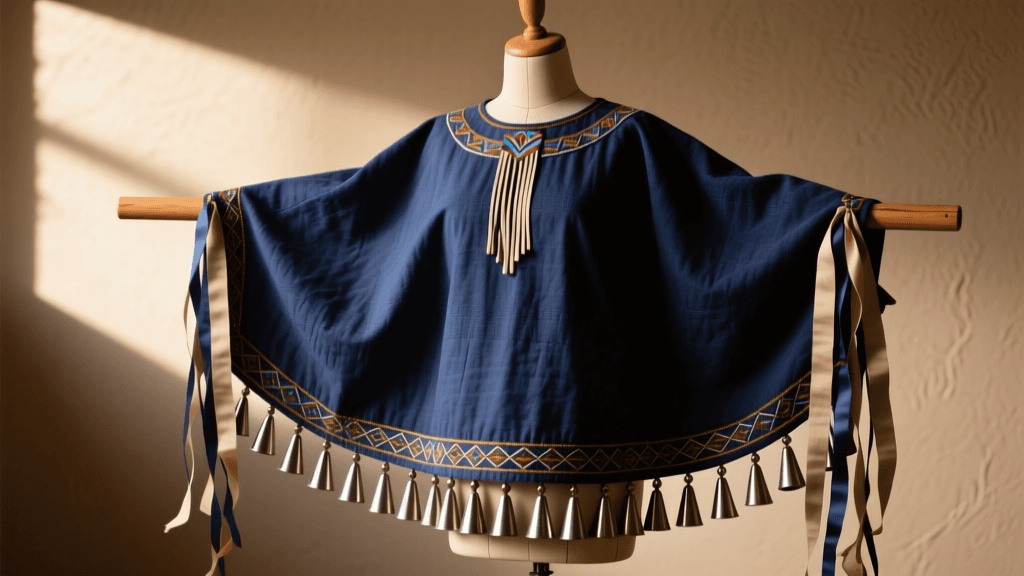
The Jingle Dress, known as the healing dress, is one of the most profound and recognizable forms of Native American regalia. Originating among the Ojibwe (Anishinaabe) people in the early 20th century—often tied to visions of healing during the global influenza pandemic—the dress is defined by its rows of rolled metal cones, or ziibaaska'iganan. When the dancer moves, these cones strike one another, creating a rhythmic, rain-like sound that is believed to carry prayers to the Creator and promote physical and spiritual healing. As we prepare for the 2026 powwow season, the demand for authentic, high-quality materials to craft these sacred garments has reached new heights. Whether you are a seasoned regalia maker or an apprentice learning the art of Anishinaabe sewing, sourcing the right metals, fabrics, and ribbons is critical to honoring the dress's legacy while ensuring durability on the modern powwow circuit.
Sourcing Metal Cones (Ziibaaska'iganan) for 2026
The soul of the Jingle Dress lies in its sound. The acoustic properties of the cones dictate the rhythm of the dance, and in 2026, regalia makers have more options than ever regarding metal composition and manufacturing techniques. Traditionally, cones were hand-rolled from tin or copper snuff can lids. Today, while some traditionalists still hand-roll their own, most makers source pre-rolled cones from specialized Native-owned metalworkers.
Brass vs. Copper vs. Nickel Silver
In 2026, rolled brass remains the industry standard for competitive powwow dancers due to its bright, sharp, and resonant pitch. However, there has been a massive resurgence in copper and copper-alloy cones, which offer a deeper, warmer, and more muted tone that many traditional elders prefer for healing ceremonies. Nickel silver is also gaining traction this year for its tarnish-resistant properties, though it comes at a premium price.
Sizing and Quantity Requirements
- Large Cones (2.5 inches): Typically used for the bottom two or three rows of the dress to provide a heavy, grounding bass note.
- Medium Cones (1.5 inches): The standard size for the main body of the dress. A traditional healing dress requires exactly 365 cones to represent each day of the year. However, modern competitive dresses in 2026 often feature 500 to 700 cones to create a denser, more continuous wall of sound.
- Small Cones (1 inch or less): Used for accenting yokes, capes, or youth regalia.
2026 Pricing Note: Expect to pay between $0.25 and $0.45 per rolled brass cone when buying in bulk from Indigenous suppliers. Always prioritize vendors who stamp or roll the metal on reservations, ensuring the economic benefit stays within the community.
Selecting the Perfect Broadcloth and Calico
The foundation of the Jingle Dress must be heavy enough to support the weight of hundreds of metal cones—which can add 10 to 15 pounds to the garment—yet breathable enough for the sweltering heat of July and August powwows. Historically, wool Stroud cloth and heavy cotton calicos were the primary materials traded into Anishinaabe communities. In 2026, textile technology offers several distinct choices for regalia makers.
| Material Type | Drape & Weight | Breathability | 2026 Cost per Yard | Best Application |
|---|---|---|---|---|
| Wool Stroud Cloth | Heavy, Structured | Low | $45 - $65 | Traditional & Healing Dresses |
| Cotton Broadcloth | Medium, Fluid | High | $18 - $25 | Summer Powwow Circuit |
| Poly-Cotton Blend | Medium, Durable | Medium | $12 - $18 | Youth & Practice Regalia |
| Rayon Challis | Light, Flowing | High | $22 - $30 | Fancy Shawl Accents & Capes |
For the 2026 season, many master seamstresses are recommending a heavy-weight cotton broadcloth or a high-density poly-cotton blend for the main skirt and bodice. These fabrics hold the tension of the cone ties without tearing, while allowing for vital airflow. If you are building a dress specifically for traditional healing ceremonies held indoors or in cooler autumn months, authentic wool Stroud cloth remains the most culturally and historically appropriate choice.
Ribbon Appliqué and Thread Engineering
Ribbon work is a hallmark of Great Lakes Indigenous textile art. On a Jingle Dress, ribbons are used to create intricate geometric patterns, conceal seams, and add vibrant color blocking. When sourcing ribbons in 2026, always look for double-faced satin ribbons made from high-density nylon or polyester. Avoid cheap, single-faced craft ribbons, as they will fray rapidly under the stress of powwow travel and washing.
The thread used to attach the cones is equally critical. The constant friction of metal against thread will snap standard cotton sewing thread within a single weekend of dancing. Modern regalia makers rely on heavy-duty bonded nylon upholstery thread or traditional waxed sinew. When tying the cones, use a reinforced zig-zag stitch on the underside of the fabric, and consider applying a small drop of flexible fabric glue to the knot to prevent unraveling during the most vigorous competitive routines.
Ethical Sourcing and Supporting Indigenous Economies
As the popularity of Native American regalia continues to grow globally, the market has unfortunately seen an influx of mass-produced, non-Native imitation materials. It is vital for makers and consumers to adhere to the principles outlined by the Indian Arts and Crafts Board, which enforces truth in marketing and protects the economic livelihoods of Native artisans. When purchasing metal cones, beadwork, or hand-woven ribbons, verify that the supplier is an enrolled member of a state or federally recognized tribe.
Furthermore, studying the techniques of master regalia makers is essential for preserving these art forms. Organizations like the National Endowment for the Arts Heritage Fellowships frequently highlight master Indigenous textile artists whose life work ensures that traditional patterns, natural dyeing methods, and hand-rolling techniques are passed down to the next generation. By sourcing directly from Native-owned businesses at regional powwows or through verified Indigenous e-commerce platforms, you actively participate in the sustenance of Anishinaabe culture.
Your 2026 Powwow Preparation Timeline
Constructing a Jingle Dress is a labor of love that requires hundreds of hours of meticulous cutting, sewing, and tying. To ensure your regalia is ready for the 2026 summer powwow circuit, follow this structured timeline:
- January - February: Finalize your geometric pattern and color palette. Order bulk metal cones and specialized broadcloth from Native-owned suppliers, as custom metal-rolling wait times can exceed six weeks.
- March - April: Cut the fabric and sew the primary bodice and skirt. Begin the ribbon appliqué process. Reinforce all stress points where the cones will eventually hang.
- May: The tying phase. Dedicate time each evening to rolling the ribbon or string ties and attaching the cones row by row. This meditative process is often accompanied by prayer and song.
- June: Complete the matching accessories, including the cone choker, beaded moccasins, and fan. Perform a 'sound check' and weight test to ensure the dress moves and sounds exactly as intended before the first Grand Entry of the season.
By prioritizing authentic materials, ethical sourcing, and structural integrity, your 2026 Jingle Dress will not only be a stunning piece of wearable art but a true vessel for healing and cultural continuity.