Osage & Ponca Ribbon Shirts 2026: Powwow Regalia Guide
The Living Art of Plains Ribbon Work
Indigenous North American dress traditions are not static relics of the past; they are vibrant, evolving expressions of cultural identity, resilience, and artistry. Among the most visually striking and culturally significant garments in the Southern Plains and Prairie regions are the ribbon shirts and skirts worn by the Osage and Ponca peoples. As we navigate the 2026 powwow season, the art of ribbon appliqué continues to thrive, blending centuries-old techniques with contemporary textile innovations. This comprehensive guide explores the distinct regional traditions of Osage and Ponca ribbon work, providing actionable advice for regalia makers, cultural historians, and enthusiasts looking to understand or create these magnificent garments in 2026.
Historical Evolution: From Quills to Silk
Before European contact, Indigenous artisans across the Americas utilized porcupine quills, moose hair, and natural dyes to create intricate geometric patterns on tanned hides. The introduction of European trade goods in the 18th and 19th centuries—specifically silk ribbons, glass beads, and wool broadcloth—catalyzed a dramatic shift in textile arts. According to the archives maintained by the Oklahoma Historical Society, tribes in the Southern Plains quickly adapted these new materials, developing the reverse appliqué technique that defines modern ribbon work. By layering contrasting ribbons over a broadcloth base and carefully cutting away the top layers, artists created complex, symmetrical designs that mimicked the visual depth of traditional quillwork while offering a brilliant new color palette.
Osage vs. Ponca Ribbon Work: Regional Distinctions
While the foundational techniques of ribbon work are shared across many Plains and Woodland tribes, the Osage and Ponca nations possess distinct stylistic signatures that reflect their unique cosmologies and clan systems. The Osage Nation emphasizes the deep spiritual connection to the earth and sky, which is frequently mirrored in their regalia.
Osage Ribbon Work Characteristics
- Color Symbolism: Osage artisans often utilize a specific colorway that represents the duality of the universe. Deep reds symbolize the earth and lifeblood, while stark blacks or navy blues represent the night sky and the spiritual realm. Accents of bright yellow and green denote the sun and botanical life.
- Pattern Symmetry: Osage designs are renowned for their strict, mathematical symmetry. The geometric cuts often feature stepped pyramids, hourglass shapes, and interlocking diamonds that require immense precision during the cutting phase.
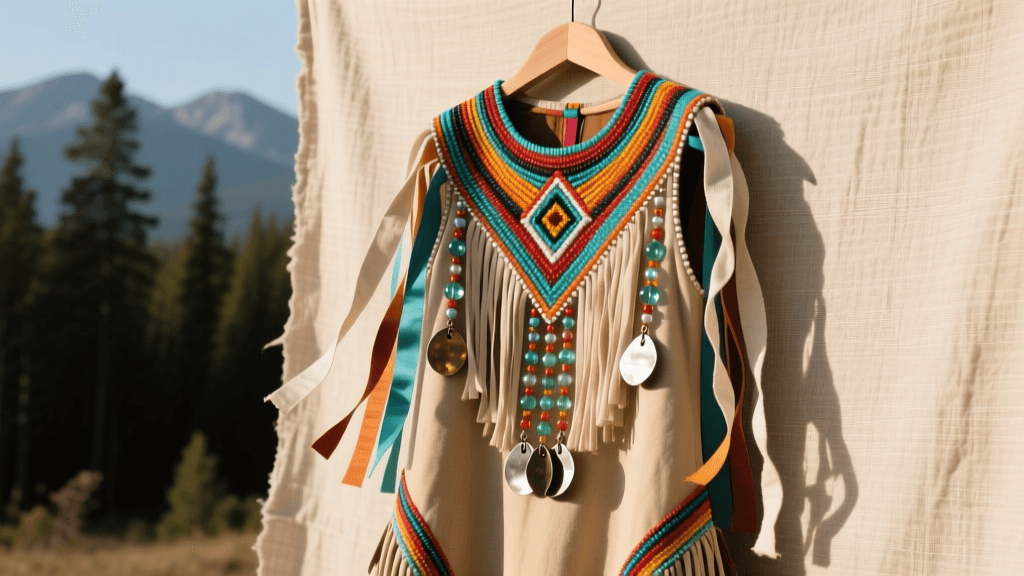
- Garment Placement: On traditional Osage ribbon shirts, the appliqué is heavily concentrated on the yoke, the sleeves, and a prominent vertical strip running down the center of the chest and back.
Ponca Ribbon Work Characteristics
- Floral and Geometric Blends: While maintaining strong geometric roots, Ponca ribbon work in 2026 often incorporates subtle, stylized floral motifs influenced by historical interactions with Great Lakes and Woodland tribes during periods of relocation and intertribal exchange.
- Clan Markers: Many Ponca regalia makers embed specific clan symbols into the negative space of the ribbon cuts, turning the shirt into a wearable genealogy and a marker of tribal identity.
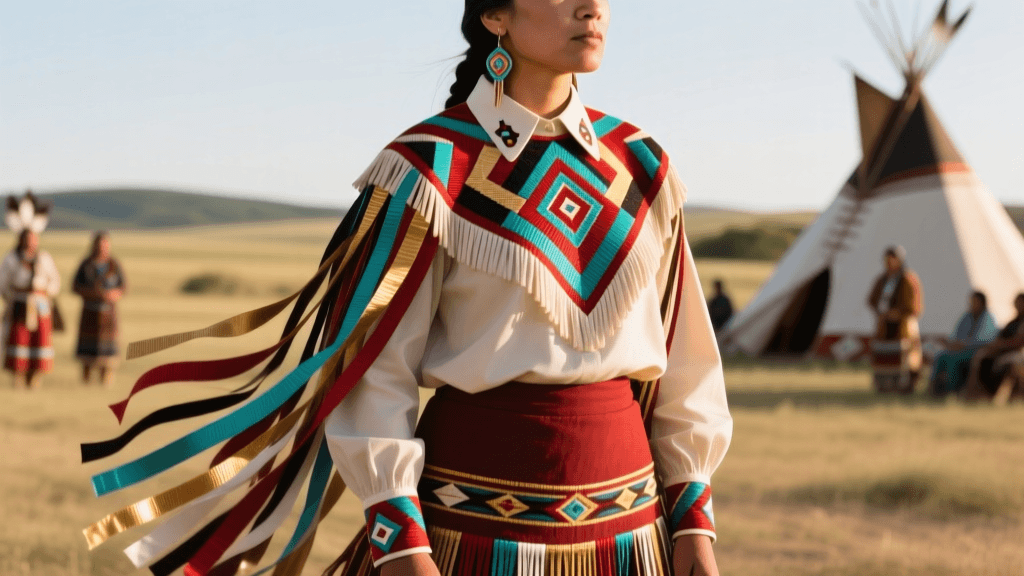
- Skirt Dynamics: Ponca ribbon skirts frequently feature wider, more sweeping ribbon bands near the hem, designed to create a dramatic, flowing visual effect during the rhythmic movements of traditional powwow dances.
2026 Material Sourcing Guide for Regalia Makers
Creating an authentic, high-quality ribbon shirt or skirt requires sourcing the right materials. In 2026, global textile supply chain shifts have impacted the availability of traditional 100% wool Melton broadcloth, prompting many artisans to explore premium wool-blends and high-grade cotton sateens for dance regalia. Below is a structured guide to sourcing materials for your 2026 projects.
| Material | 2026 Est. Cost (Per Yard) | Recommended Supplier Type | Artisan Notes & Best Practices |
|---|---|---|---|
| Wool Broadcloth (Base) | $45.00 - $65.00 | Specialty Indigenous Textile Vendors, Pendleton | Pre-wash in cold water to prevent dye bleed. Wool provides the best drape and historical accuracy for Northern and Southern traditional dances. |
| Cotton Sateen (Alternative Base) | $18.00 - $28.00 | Major Online Fabric Retailers (e.g., Mood, Blackbird) | Excellent for hot-weather summer powwows. Requires heavy interfacing to support the weight of multiple ribbon layers. |
| Double-Faced Satin Ribbon (3/8") | $0.40 - $0.80 / yard | Craft Wholesalers, Offray, May May Brands | Always buy double-faced. Single-faced ribbons will show white backing when folded during reverse appliqué curves. |
| Wide Grosgrain Ribbon (1" - 2") | $1.20 - $2.50 / yard | Ribbon Specialty Shops | Use grosgrain for the outer binding edges of the garment. It resists fraying and provides a crisp, durable finish. |
| Clear Appliqué Thread | $8.00 - $12.00 / spool | Sewing Machine Dealers, Quilting Shops | Essential for top-stitching in 2026. It disappears into the satin, allowing the vibrant ribbon colors to remain uninterrupted. |
Step-by-Step Construction: The Reverse Appliqué Technique
The hallmark of Plains ribbon work is the reverse appliqué method. Unlike standard appliqué, where shapes are sewn on top of a base, reverse appliqué involves stacking ribbons and cutting away the top layers to reveal the colors beneath. For artisans building a powwow shirt in 2026, precision is paramount.
1. Design and Template Creation
Begin by drafting your geometric pattern on heavy cardstock or using a digital cutting machine (like a Cricut or Silhouette, which many contemporary Indigenous makers utilize for base templates). Ensure your design is perfectly symmetrical. Osage and Ponca patterns rely on a central axis; fold your template in half to verify mirror-image accuracy before cutting.
2. Layering and Basting
Cut your ribbons slightly wider than your final design requires. Stack the ribbons in your desired color order, with the top color facing up. Use a water-soluble basting tape or spray adhesive designed for fabrics to hold the ribbons together. Avoid traditional pins, as they can leave permanent holes in the satin and cause the layers to shift during the cutting process.
3. The Cutting Phase
Using a brand-new, ultra-sharp rotary cutter or precision fabric scissors, carefully cut away the top layer of ribbon to reveal the second color. For intricate stepped designs, make small, deliberate snips at the corners. Leave a 1/8-inch to 1/4-inch margin for folding.
4. Folding and Stitching
Fold the cut edges of the top ribbon under, hiding the raw edge and exposing the color below. Pin or baste the folds in place. When sewing, use a specialized edge-joining or clear appliqué presser foot on your sewing machine. Stitch as close to the folded edge as possible using clear monofilament thread or a perfectly matched polyester thread. In 2026, many master sewers recommend a micro-stitch length (1.5mm to 2.0mm) to ensure the folds remain secure during the vigorous movements of powwow dancing.
Caring for and Storing Ribbon Regalia
Ribbon shirts and skirts are significant financial and emotional investments. Proper storage is critical to maintaining the vibrancy of the dyes and the structural integrity of the broadcloth. According to conservation guidelines referenced by the Smithsonian National Museum of the American Indian, textiles should be protected from environmental stressors.
- Avoid Wire Hangers: Never hang a heavy wool ribbon shirt on a wire hanger. The weight of the garment will distort the shoulders and stretch the appliqué. Use wide, padded wooden hangers.
- Climate Control: Store the regalia in a cool, dark environment. Direct sunlight will rapidly fade the aniline dyes used in modern satin ribbons. If storing in a cedar chest, ensure the garment is wrapped in acid-free, unbuffered tissue paper to prevent the natural oils in the cedar from staining the wool.
- Cleaning: Do not machine wash finished ribbon work. The agitation will cause the ribbons to fray and the broadcloth to shrink unevenly. Spot clean with a gentle, pH-neutral textile detergent, or consult a professional dry cleaner who specializes in Indigenous regalia and historical textiles.
Powwow Etiquette and Wearing the Regalia in 2026
Wearing a ribbon shirt or skirt at a contemporary powwow carries deep cultural weight. These garments are not costumes; they are regalia, imbued with the prayers, time, and intentions of their makers. When attending the 2026 powwow circuit, whether as a dancer or a spectator, observe the following etiquette:
For Dancers: Ensure your regalia is worn with pride and respect. A ribbon shirt is typically paired with matching or complementary beadwork, including a beaded belt, moccasins, and a breastplate or choker. The shirt should be tucked in or worn over the pants depending on the specific traditional dance style and tribal protocol. Always secure your ribbons; loose threads can catch on regalia or arena fencing.
For Spectators: Never touch a dancer's regalia without explicit permission. The oils from human hands can stain delicate silk ribbons and tarnish beadwork. If you admire a dancer's Osage or Ponca ribbon work, express your appreciation verbally, but respect their personal space, especially in the staging areas before and after Grand Entry.
Preserving the Tradition for the Next Generation
The survival of Osage and Ponca ribbon work relies on intergenerational knowledge transfer. Across Indian Country in 2026, tribal community centers, Indigenous-led fashion incubators, and university Native American studies programs are hosting intensive ribbon work workshops. Master artisans are teaching not just the mechanical skills of cutting and sewing, but the cultural philosophies, color theories, and clan histories embedded in every stitch. By supporting Indigenous-owned textile businesses, attending powwows, and respecting the intellectual property of tribal designs, we ensure that the brilliant geometry of Plains ribbon work continues to move, breathe, and inspire for generations to come.