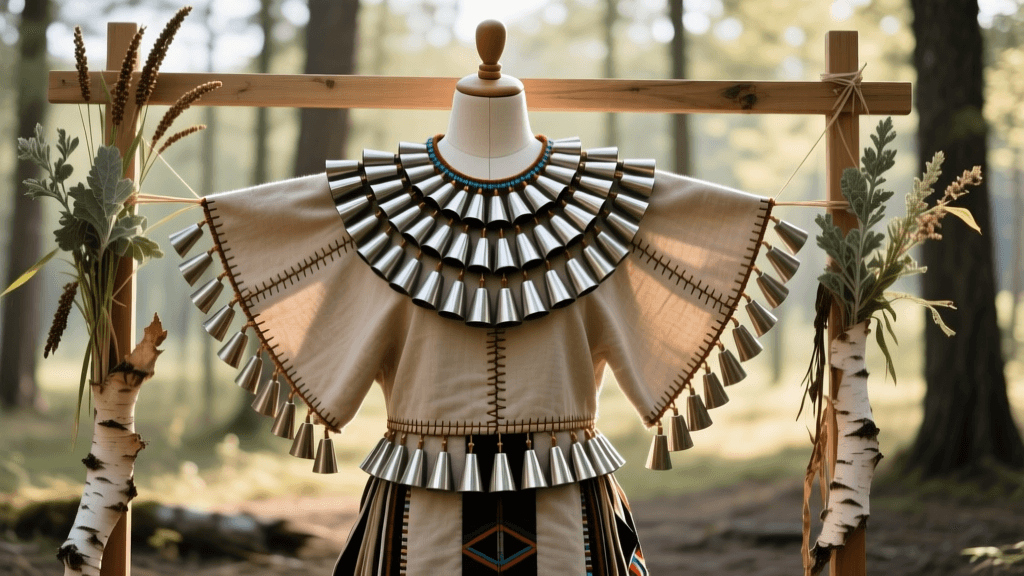
Jingle Dress Regalia Guide 2026: Materials & Sourcing
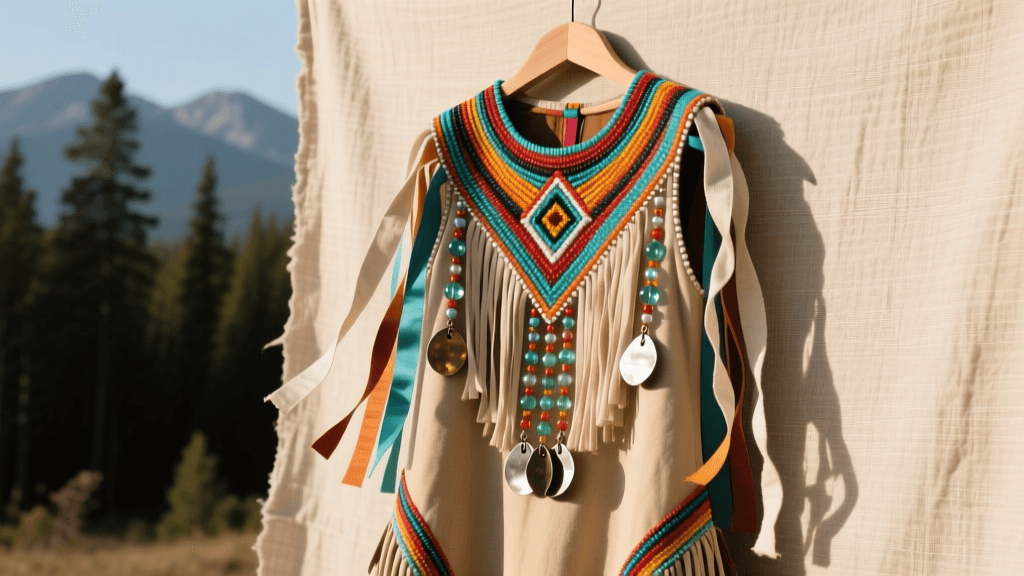
The Cultural Significance and Protocol of the Jingle Dress
The Jingle Dress dance is one of the most powerful, recognizable, and deeply spiritual traditions seen at North American powwows today. Originating from the Ojibwe (Anishinaabe) people in the early 20th century, the dress was born from a vision of healing. According to oral histories, the creator instructed a medicine man to make a dress adorned with metal cones that, when danced in, would create a sound mimicking the gentle patter of rain on a roof. This sound is believed to carry prayers to the heavens and bring physical and spiritual healing to the community.
As we navigate the 2026 powwow season, the Jingle Dress has evolved into a pan-Indigenous symbol of resilience, prayer, and cultural continuity. However, creating a Jingle Dress is not merely a sewing project; it is the creation of a sacred garment. The National Museum of the American Indian emphasizes that regalia is deeply tied to tribal identity, spiritual protocols, and community respect. Before cutting your first yard of fabric, it is vital to understand the protocols of your specific tribal community or the community you are dancing for, including color restrictions, modesty requirements, and the proper way to store and handle the dress when it is not being worn.
Essential Materials for 2026 Regalia Construction
Constructing a competition-ready or traditional Jingle Dress requires specific materials that can withstand the rigorous movement of the dance while maintaining a beautiful drape and authentic sound. Here is a breakdown of the core materials you will need in 2026.
1. Base Fabric: Wool Broadcloth vs. Cotton Blends
The gold standard for a traditional Jingle Dress base is 100% wool broadcloth or melton wool. Wool provides the heavy, flowing drape necessary to make the jingles swing outward and strike each other properly during the side-step and pivot movements of the dance. In 2026, premium 60-inch wide wool broadcloth typically costs between $38 and $48 per yard. While cotton-polyester blends are cheaper (around $12 per yard) and cooler in the summer heat, they lack the weight required for optimal jingle movement and are generally reserved for practice dresses or youth regalia.
2. Appliqué Ribbons
Ribbon work is a hallmark of Woodland and Plains regalia. For the tiered appliqué on the skirt and bodice, you will need double-faced satin ribbons, typically in 3/8-inch and 5/8-inch widths. Satin provides a brilliant sheen that catches the arena lights. Avoid single-faced ribbons, as the dull backside will show during the dynamic spins of the dance. Expect to use between 30 and 50 yards of ribbon per dress, depending on the complexity of your geometric or floral patterns.
3. The Jingles (Metal Cones)
The soul of the dress lies in its jingles. Historically, these were hand-rolled from the metal lids of tobacco tins. Today, you have two primary options:
- Stamped Aluminum Cones: Mass-produced, lightweight, and inexpensive. They produce a higher-pitched, brighter sound. However, they can dent easily and lack historical authenticity.
- Hand-Rolled Tin or Copper Cones: Crafted by Indigenous artisans, these cones are heavier, more durable, and produce the deep, resonant 'rain' sound that traditionalists seek. In 2026, supporting Native metalworkers by purchasing hand-rolled jingles is highly recommended for both ethical sourcing and acoustic quality.
4. Beadwork Supplies
Whether you are beading a belt, moccasins, or a purse to match your dress, the bead quality matters. Size 13/0 or 15/0 Czech Charlotte cut beads (one-cut) are the preferred choice for their exceptional sparkle and uniform size. Japanese Delica beads are excellent for loom work but can sometimes look too uniform and modern for traditional Woodland floral appliqué.
2026 Supplier Comparison and Cost Breakdown
Sourcing materials ethically and economically is a major consideration for regalia makers. The table below compares three primary sourcing avenues available to powwow dancers and seamstresses in 2026.
| Supplier Type | Best For | Estimated 2026 Cost (USD) | Ethical & Community Impact |
|---|---|---|---|
| Native-Owned Bead & Craft Shops | Hand-rolled jingles, authentic trade cloth, specialized sinew | $$$ ($1.50 - $2.00 per hand-rolled jingle) | High. Directly supports Indigenous artisans and local tribal economies. |
| Large Native Trading Posts (e.g., Crazy Crow, Greyhound) | Wool broadcloth, bulk satin ribbons, Czech seed beads | $$ ($38 - $45 per yard of wool) | Medium. Established businesses that fund powwows, though not always Native-owned. |
| General Craft & Fabric Stores (e.g., Joann, Michaels) | Basic threads, needles, backing fabrics, practice ribbons | $ ($0.30 per stamped aluminum jingle) | Low. Mass-produced goods with no direct community reinvestment. |
Step-by-Step Construction and Measurements
Building a Jingle Dress is a significant time investment. A fully beaded, tiered dress can take anywhere from 120 to 200 hours to complete. Here is a practical guide to the construction process.
Drafting the Pattern
The traditional Jingle Dress features a dropped waist or a straight shift silhouette, depending on your tribal style and personal comfort. The skirt must be flared enough to allow for the wide side-steps characteristic of the dance, but not so wide that it wraps around your legs. A standard measurement for the skirt hem circumference is 90 to 110 inches. You will need approximately 5 to 7 yards of 60-inch wool broadcloth for an adult-sized dress, factoring in the bodice, skirt, and fabric-covered belt.
Ribbon Appliqué Technique
The skirt typically features three to five horizontal tiers of ribbon appliqué. To achieve clean, sharp geometric folds (often seen in Ojibwe and Potawatomi styles):
- Press your satin ribbon with a low-heat iron and a pressing cloth to prevent scorching.
- Use a fabric-safe marking pen to draw your geometric pattern directly onto the wool broadcloth.
- Pin the ribbon along the lines, folding at precise 45-degree or 90-degree angles at the corners.
- Sew using a blind hem stitch by hand for a seamless look, or use a narrow zigzag stitch on a heavy-duty sewing machine with a walking foot to prevent the wool from stretching.
Placing and Tying the Jingles
The placement of the jingles is critical for both aesthetics and sound. A traditional dress may feature anywhere from 250 to 365 jingles (representing the days of the year). They are typically arranged in vertical columns or staggered diagonal rows across the skirt and bodice.
Pro-Tip for Tying: Do not use standard cotton thread to attach your jingles; the friction and weight will snap it within a single powwow weekend. In 2026, the standard practice is to use heavy-duty waxed polyester sinew or braided dental floss. Thread the sinew through the top loop of the jingle, pass it through the wool fabric, and secure it with a reinforced knot on the inside, backing it with a small square of felt or leather to prevent tearing through the wool.
Completing the Regalia: Accessories and Beadwork
A Jingle Dress dancer's regalia is not complete without the accompanying accessories. The beadwork should ideally match or complement the color palette of your dress. Essential accessories include:
- Beaded Belt: A loom-beaded or appliqué belt worn at the natural waist or dropped waist to break up the silhouette.
- Moccasins: Fully beaded vamps with a Woodland floral or Plains geometric design, featuring a hard sole for outdoor powwow grounds or a soft sole for indoor arenas.
- Purse or Bag: A beaded side bag or box bag, often used to carry emergency sewing kits, water, and personal items.
- Feather Fan: Often carried in the opposite hand of the dancer's purse, featuring eagle, hawk, or macaw feathers, bound with beaded handles.
Ethical Sourcing and the Indian Arts and Crafts Act
As the demand for Indigenous regalia has grown, so has the market for counterfeit, mass-produced 'Native-inspired' goods. When sourcing materials, especially finished beadwork or hand-rolled jingles, it is crucial to ensure you are buying from verified Native artists. The Native Arts and Cultures Foundation continually advocates for the economic empowerment of Indigenous artists, noting that buying direct sustains cultural transmission and tribal economies.
In the United States, the Indian Arts and Crafts Act strictly prohibits the misrepresentation of Native American-produced arts and crafts. When shopping online or at powwow vendor rows in 2026, look for vendors who proudly display their tribal enrollment information. If a deal on 'handmade Native beadwork' seems too good to be true—such as a fully beaded belt for $40—it is almost certainly mass-produced overseas. Investing in authentic, ethically sourced materials not only ensures higher quality and durability for your regalia but also honors the spiritual and cultural lineage of the craft.
Caring for Your Sacred Garment
Because the Jingle Dress is considered a prayer dress, it should be treated with the utmost respect. Never place the dress on the floor or a bed. When not in use, it should be hung on a padded hanger in a breathable garment bag, away from direct sunlight which can fade the wool and satin ribbons. If the wool becomes wrinkled from travel, use a handheld steamer rather than a direct iron. Before the 2026 season begins, inspect every jingle tie and ribbon seam. Replacing a broken sinew tie takes five minutes at home, but fixing it in the middle of a crowded powwow arena is a stressful experience no dancer wants.
Final Thoughts for the 2026 Powwow Trail
Creating your own Jingle Dress regalia is a journey of patience, cultural education, and artistic expression. By prioritizing ethical sourcing, respecting traditional protocols, and utilizing high-quality materials like wool broadcloth and hand-rolled tin jingles, you are doing more than just making a dress. You are participating in a living, breathing tradition of healing. As you step into the arena this year, may the sound of your jingles carry your prayers upward, and may your dance bring strength to your community. For ongoing updates on Indigenous arts, cultural preservation, and community news, resources like ICT News remain invaluable companions on your regalia-making journey.