Authentic Oaxacan Huipil Guide 2026: San Antonino vs Yautepec
The Renaissance of Oaxacan Huipiles in 2026
As we navigate the 2026 global fashion landscape, the demand for slow fashion, heritage craftsmanship, and indigenous artistry has reached an all-time high. At the forefront of this movement is the traditional Oaxacan huipil, a garment that transcends mere clothing to serve as a wearable codex of Zapotec and Mixtec history. However, with immense global popularity comes the risk of cultural appropriation and mass-produced knockoffs. For the serious collector, textile enthusiast, or conscious consumer, understanding the distinct regional techniques of Oaxacan weaving is essential. This comprehensive guide explores two of the most revered textile traditions in the Americas: the intricate floral embroidery of San Antonino Castillo Velasco and the complex backstrap brocade of San Bartolo Yautepec.
San Antonino Castillo Velasco: The Pinnacle of Floral Embroidery
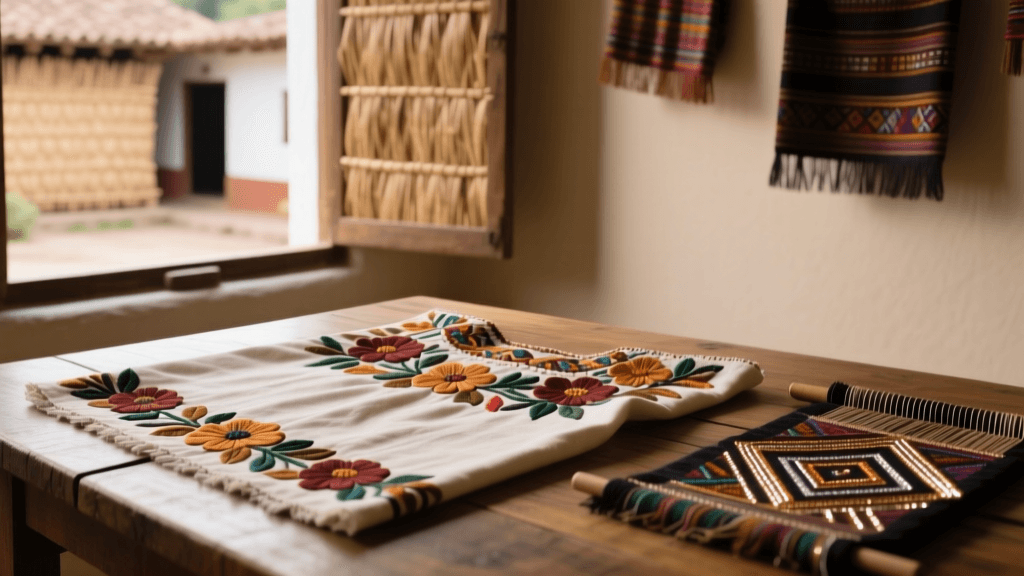
Located in the Valles Centrales region of Oaxaca, the town of San Antonino Castillo Velasco is globally celebrated for its breathtaking floral embroidery. The huipiles from this region are characterized by their ethereal, almost translucent white cotton base, which serves as a canvas for vibrant, multi-colored silk or cotton thread work. In 2026, the artisanal cooperatives in San Antonino continue to preserve techniques that have been passed down for centuries, adapting only in their use of high-grade, colorfast mercerized cotton threads that withstand modern washing methods.
The "Hazme Si Puedes" Technique
The crown jewel of San Antonino embroidery is the hazme si puedes (make me if you can) knot. This painstakingly complex smocking technique involves gathering and tying tiny sections of fabric to create raised, textured geometric patterns that frame the floral motifs. A single huipil featuring extensive hazme si puedes work requires the artisan to work for eight to ten hours a day over a period of four to six months. Due to the intense labor and the rising cost of premium natural fibers in 2026, authentic San Antonino huipiles now command a direct-from-artisan price ranging from $450 to $950 USD, depending on the density of the embroidery and the use of natural dyes like cochineal.
San Bartolo Yautepec: Mastery of the Backstrap Brocade
Journeying south into the Sierra Sur, the weaving tradition shifts dramatically from needlework to the loom. San Bartolo Yautepec is legendary for its supplementary weft brocade, a technique where the decorative pattern is woven directly into the fabric as it is being created on a traditional backstrap loom, rather than embroidered on afterward. The weaver uses a wooden sword to pick and raise specific warp threads, inserting colored weft threads to build complex, mathematically precise geometric and zoomorphic designs.
Working with Coyuche Cotton
A defining feature of Yautepec textiles is the use of coyuche, a naturally brown, indigenous cotton variety. In 2026, as climate resilience becomes a major focus in agricultural textiles, coyuche cotton is highly prized for its drought resistance and natural pest-repellent properties. The weavers of Yautepec combine this naturally brown cotton with white cotton and vibrant dyed threads to create a striking, earthy palette. Because the brocade is integrated into the weave, these huipiles are heavier, more structured, and incredibly durable. The 2026 market value for a master-weaver Yautepec brocade huipil ranges from $600 to $1,400 USD, reflecting the months of spinning, dyeing, and weaving required to complete a single garment.
2026 Comparison Chart: Embroidery vs. Brocade Huipiles
To help you make an informed purchasing decision, we have compiled a detailed comparison of these two distinct Oaxacan textile traditions based on current 2026 market data and artisanal practices.
| Feature | San Antonino Embroidery | San Bartolo Yautepec Brocade |
|---|---|---|
| Primary Technique | Needle embroidery & smocking | Supplementary weft backstrap weaving |
| Base Material | Lightweight white cotton muslin | Medium-weight white & coyuche cotton |
| Creation Time | 4 to 6 months | 3 to 5 months |
| 2026 Avg. Price (USD) | $450 - $950 | $600 - $1,400 |
| Drape and Weight | Fluid, lightweight, breathable | Structured, heavy, textured |
| Best Climate | Hot, humid, or tropical | Temperate, cool, or variable |
How to Authenticate Artisanal Textiles in a Saturated Market
The proliferation of machine-made imitations is a persistent challenge for indigenous artisans. When shopping for an authentic Oaxacan huipil in 2026, whether at a boutique in Mexico City, a gallery in New York, or an online marketplace, you must know how to verify its origins.
- Examine the Reverse Side: For San Antonino embroidery, turn the garment inside out. Authentic hand embroidery will look nearly as neat on the back as it does on the front, with visible, deliberate knotting. Machine embroidery often leaves a messy web of jump stitches and bobbin thread. For Yautepec brocade, the pattern should be reversible or show distinct, integrated floats on the back, not a glued-on or sewn-on applique.
- The Touch and Burn Test: Authentic huipiles are made from natural fibers. If you are permitted, perform a discreet burn test on a single loose thread. Cotton and coyuche will burn quickly, smell like burning paper, and leave a fine, crushable ash. Synthetic blends will melt, smell like plastic, and form a hard bead.
- Look for Intentional Imperfections: Hand-spun and hand-woven textiles possess a living geometry. Slight variations in thread thickness, minor asymmetries in the brocade motifs, and the natural slub of coyuche cotton are hallmarks of human craftsmanship, not defects.
"A true huipil is not just a garment; it is a record of the weaver's life, the climate of the year the cotton was grown, and the ancestral memory of her community. To buy a machine-made copy is to erase that history." — Artisan Advocate, Nest
Ethical Sourcing and Fair Trade Standards
As consumers become more educated, the ethical sourcing of indigenous garments has become paramount. In 2026, it is vital to purchase from platforms and cooperatives that guarantee fair compensation and protect intellectual property. Organizations like Nest provide rigorous frameworks and certifications for ethical supply chains, ensuring that artisans retain ownership of their cultural heritage and receive living wages. When buying online, look for transparency regarding the artisan's name, their specific village, and a clear breakdown of how the purchase price supports the community. Avoid vendors who cannot name the specific weaving cooperative or who sell "Oaxacan-style" blouses at suspiciously low price points.
Sizing, Styling, and Measurements for the Modern Wardrobe
Traditional huipiles were designed for the indigenous body and climate, often featuring a wide, boxy silhouette that prioritizes airflow and comfort. When integrating a huipil into a contemporary 2026 wardrobe, understanding traditional measurements is crucial for achieving the right fit and drape.
Standard Huipil Measurements
- Width (Across the Arms): Typically ranges from 40 to 55 inches. This wide cut is intentional, creating a wing-like drape when the arms are lowered.
- Length (Shoulder to Hem): Generally falls between 24 and 32 inches. Traditional huipiles are often cropped, designed to be worn over a skirt or tucked into a high-waisted garment.
- Neck Opening: Usually a simple horizontal slit or a modest square cutout, rarely featuring modern zippers or buttons, as the garment is slipped over the head.
Styling Advice: To modernize the silhouette without altering the sacred garment (never cut or tailor a traditional huipil), pair a wide San Antonino huipil with high-waisted, wide-leg linen trousers and a subtle leather belt to define the waist. For the heavier Yautepec brocade, wear it as a statement tunic over a sleek, fitted black turtleneck and tailored trousers during the cooler autumn months.
Garment Care: Preserving Natural Fibers and Dyes
Proper care is essential to maintain the structural integrity and vibrancy of your investment. According to preservation guidelines outlined by institutions such as the Museo Textil de Oaxaca, natural fibers and dyes require specific handling to prevent degradation.
- Washing: Never machine wash or dry clean a handwoven huipil. Hand wash gently in cold water using a pH-neutral, artisanal textile soap. Avoid harsh detergents, bleach, or fabric softeners, which can strip natural oils from coyuche cotton and cause cochineal reds to bleed or shift in pH (turning purple or orange).
- Drying: Do not wring or twist the fabric, as this can warp the backstrap tension and distort the embroidery. Gently press the water out between two clean, dry towels, and lay the garment flat to dry in a shaded, well-ventilated area. Direct sunlight will rapidly fade natural dyes and weaken cotton fibers.
- Storage: Store your huipil flat or gently rolled in acid-free tissue paper inside a cedar chest or breathable cotton bag. Avoid wire hangers, which will stretch the shoulder seams and distort the intricate neckline embroidery over time.
By understanding the profound differences between the floral embroidery of San Antonino and the structural brocade of San Bartolo Yautepec, you can make informed, respectful, and culturally significant additions to your textile collection. In 2026, wearing an authentic Oaxacan huipil is not just a fashion statement; it is an act of cultural preservation and a celebration of indigenous genius.