2026 Ribbon Skirt Sewing Guide: Fabrics, Sizing & Tips
The Resurgence and Significance of the Ribbon Skirt
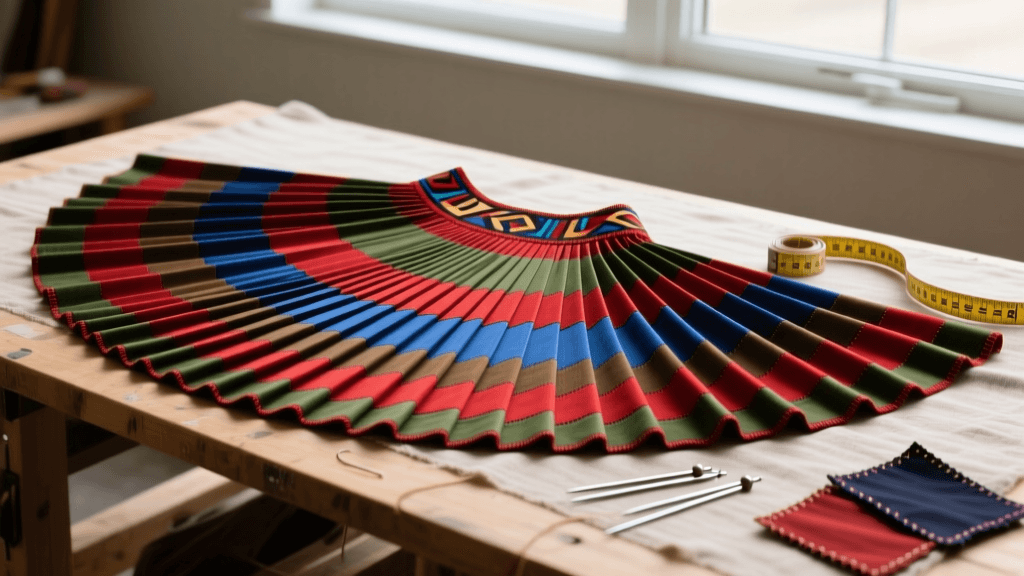
The ribbon skirt is far more than a beautiful piece of clothing; it is a profound symbol of Indigenous resilience, identity, and cultural continuity. Originating primarily among the Anishinaabe and Plains Cree peoples, the ribbon skirt evolved in the 19th century when European trade goods—specifically silk ribbons and cotton calico—were introduced to North America. Indigenous women ingeniously adapted these materials, transforming foreign trade items into deeply meaningful regalia that honored their heritage, clan affiliations, and spiritual beliefs. Today, in 2026, the ribbon skirt has experienced a massive, global resurgence. It is worn at powwows, graduations, political rallies, and everyday settings, serving as a visual reclamation of Indigenous womanhood and Two-Spirit pride.
The cultural revitalization of these garments is heavily supported by organizations like IllumiNative, which highlights how traditional regalia intersects with modern Indigenous identity and combats harmful stereotypes. For many, sewing a ribbon skirt is a healing practice, a way to connect with ancestors, and a method of passing down traditional knowledge to the next generation. Whether you are an Indigenous community member looking to create your first skirt or a hobbyist seeking to understand the deep cultural protocol and construction techniques behind this garment, this comprehensive 2026 guide will walk you through the process of sourcing materials, measuring, and sewing a traditional ribbon skirt.
Essential Materials and Fabric Sourcing for 2026
Creating an authentic, high-quality ribbon skirt requires careful selection of materials. In 2026, the textile market offers a wide variety of options, but traditionalists and contemporary makers alike tend to favor specific fabrics for their drape, durability, and historical accuracy.
The Base Fabric
The foundation of a ribbon skirt is typically made from 100% cotton calico or broadcloth. Cotton is preferred because it breathes well, holds a crisp hem, and provides a stable base for the heavy layers of ribbon. When sourcing cotton in 2026, many makers are turning to Indigenous-owned textile cooperatives and sustainable organic cotton farms that prioritize ethical labor and environmental stewardship. You will need between 2.5 to 4 yards of 45-inch-wide fabric, depending on your height and the desired fullness of the skirt. Always pre-wash and dry your cotton fabric on high heat before cutting to ensure any shrinkage happens before the garment is assembled.
Selecting the Ribbons
The ribbons are the heartbeat of the skirt. Traditional skirts utilize satin or grosgrain ribbons, typically ranging from 1 inch to 2 inches in width. Satin provides a beautiful, luminous sheen that catches the light during movement, making it a favorite for powwow regalia. Grosgrain, with its ribbed texture, is slightly more durable and less prone to fraying, making it an excellent choice for everyday wear or children's skirts. For a standard adult skirt featuring three to five horizontal ribbon tiers, you will need approximately 15 to 25 yards of ribbon per color. In 2026, digital color-matching tools and specialized Indigenous beadwork and ribbon suppliers make it easier than ever to find exact shades that represent specific clan colors or personal medicine.
For historical context on how these trade materials were originally adapted into profound cultural expressions, the Smithsonian National Museum of the American Indian offers extensive archives and educational resources detailing the evolution of Native textile arts.
Step-by-Step Measuring and Sizing Guide
Proper sizing is crucial for a ribbon skirt. Unlike modern Western fashion, which often relies on restrictive, standardized sizing, traditional ribbon skirts are custom-measured to the wearer's body, prioritizing comfort, modesty, and ease of movement. The skirt typically sits at the natural waist or slightly below the navel, and the hem should fall to the mid-calf or just above the ankle, ensuring it does not drag on the ground during dances or outdoor gatherings.
Below is a standard measurement chart for 2026 to help you calculate your base fabric and elastic requirements. Note that these are general guidelines; always take personal measurements for a custom fit.
| Standard Size | Waist Measurement | Hip Measurement | Standard Length | Fabric Yardage (45" Width) |
|---|---|---|---|---|
| Small | 28" - 30" | 36" - 38" | 32" | 2.5 Yards |
| Medium | 31" - 34" | 39" - 42" | 34" | 3.0 Yards |
| Large | 35" - 38" | 43" - 46" | 36" | 3.5 Yards |
| X-Large | 39" - 43" | 47" - 51" | 38" | 4.0 Yards |
| XX-Large | 44" - 48" | 52" - 56" | 40" | 4.5 Yards |
Pro-Tip for Length: Measure from your natural waist down to your desired hemline while wearing the shoes or moccasins you plan to pair with the skirt. Add 2 inches to this measurement to account for the bottom hem and the waistband casing.
Sewing Techniques: Layering and Appliqué
Constructing a ribbon skirt requires patience and precision. The process can be broken down into three main phases: preparing the base, applying the ribbons, and finishing the waistband.
Phase 1: Preparing the Skirt Base
Begin by cutting your pre-washed cotton fabric into two large rectangles (front and back) or a single continuous panel if you prefer a seamless side. Sew the side seams together using a straight stitch, leaving the top open. Finish the raw edges of the seams with a serger or a zig-zag stitch to prevent fraying over time. Next, hem the bottom of the skirt. A traditional ribbon skirt features a wide, substantial hem—often 2 to 3 inches deep—which adds weight to the bottom of the skirt, allowing it to swing beautifully during movement.
Phase 2: Applying the Ribbons
This is the most time-consuming but rewarding part of the process. Decide on your ribbon pattern. You can use a single color for a minimalist look, or alternate multiple colors to represent the four directions, your family lineage, or personal healing journeys. Start from the bottom hem and work your way up.
- Pinning: Lay the skirt flat. Pin your first ribbon parallel to the hem, about 1 to 2 inches above the bottom fold. Ensure the ribbon is taut but not stretching the cotton base.
- Stitching: Sew along both the top and bottom edges of the ribbon. A straight stitch is traditional, but a narrow zig-zag stitch is highly recommended in 2026 for satin ribbons, as it secures the edges and prevents the slippery fabric from unraveling.
- Spacing: Leave a gap of 1 to 2 inches of exposed cotton between each ribbon tier. This negative space is essential for the visual rhythm of the skirt and prevents the garment from becoming too heavy or stiff.
- Finishing the Ends: When you reach the side seams, fold the raw edges of the ribbon under by half an inch and stitch them down securely to hide the frayed ends.
Phase 3: The Waistband
Traditional ribbon skirts utilize an elastic waistband for comfort and ease of wear. Fold the top edge of the skirt down by 1.5 inches to create a casing. Sew around the edge, leaving a 2-inch gap. Thread a 1-inch wide non-roll elastic through the casing using a safety pin. Overlap the elastic ends by 1 inch, sew them together securely with a box-X stitch, and close the gap in the casing.
Caring for Your Ribbon Skirt
Proper care ensures your regalia lasts for generations. Because satin ribbons can snag and cotton can fade, washing requires a gentle touch. Always turn the skirt inside out before washing. Use cold water on a gentle cycle with a mild, color-safe detergent. Never use bleach or harsh fabric softeners, as these can degrade the elastic waistband and dull the vibrant sheen of the satin ribbons. To dry, either tumble dry on the lowest heat setting or hang the skirt to air dry in the shade. Direct sunlight can cause the bright ribbon dyes to fade over time. If the ribbons become wrinkled, use a steamer rather than a direct iron, as high heat can instantly melt synthetic satin.
Cultural Protocol and Modern 2026 Styling
As the ribbon skirt has gained visibility in mainstream fashion and political spheres, questions regarding cultural protocol and appropriation have naturally arisen. It is vital to understand that the ribbon skirt is a sacred item of Indigenous regalia. While Indigenous women, Two-Spirit individuals, and Indigenous youth are the primary wearers, non-Indigenous allies should approach the garment with deep respect, understanding that it is not a costume or a fast-fashion trend. Furthermore, tribal sovereignty and cultural protection efforts championed by the National Congress of American Indians help ensure that Indigenous designs remain protected from corporate appropriation in 2026.
For Indigenous makers and wearers, styling the ribbon skirt in 2026 is all about blending tradition with contemporary life. The skirt pairs beautifully with a simple white t-shirt and a denim jacket for everyday wear, or it can be elevated with a fully beaded yoke, a matching ribbon shirt, and handcrafted brain-tanned moccasins for powwows and ceremonies. Many young creators are also pairing their skirts with contemporary Indigenous streetwear, such as graphic tees featuring Native artists, blending the historical weight of the regalia with the vibrant, forward-looking energy of modern Indigenous culture. By sourcing ethical materials, honoring the sewing traditions of the past, and wearing the skirt with pride, you participate in a living, breathing legacy that continues to evolve and inspire.