LDS Temple Garments 2026: Indigenous American Identity & Faith
The Sacred Intersection of Faith and Heritage
For members of The Church of Jesus Christ of Latter-day Saints, the temple garment is far more than a simple undergarment; it is a profound, sacred vestment that serves as a constant, physical reminder of covenants made with God. As of 2026, the intersection of this deeply personal religious practice and the rich, diverse cultural identities of Indigenous Americans presents a fascinating area of cultural and theological study. From the Diné (Navajo) in the Southwestern United States to the Maya in Mesoamerica and the Quechua in the Andean highlands, Indigenous Latter-day Saints are finding meaningful ways to harmonize their ancestral heritage with their sacred temple covenants.
In this comprehensive guide, we explore the religious meaning of LDS temple garments, how Indigenous American members navigate wearing them alongside traditional cultural dress, and the latest 2026 fabric innovations designed to accommodate the diverse climates and active lifestyles of the Americas.
Understanding the Religious Meaning of Temple Garments
To understand the cultural significance of the garment, one must first understand its spiritual foundation. According to the official Gospel Topics essay on Temple Garments, these vestments are introduced to members during the temple endowment ceremony. They serve as a reminder of the sacred covenants made with God and act as a symbolic armor, offering spiritual protection and a commitment to live a moral, righteous life.
The garment features specific, subtle marks woven or embroidered into the fabric, each carrying deep theological symbolism:
- The Compass: Symbolizes the importance of keeping one's desires and passions within the bounds the Lord has set, and points the way to eternal life.
- The Square: Represents morality, exactness, and the importance of keeping one's life squared with the principles of the gospel.
- The Navel: A mark signifying that the body requires constant spiritual and physical sustenance, and honors the sacred nature of creation and life.
- The Knee: A reminder of the necessity of frequent prayer and the willingness to bow before God in humility and reverence.
For many Indigenous members, these symbols resonate deeply with pre-Columbian and traditional Indigenous philosophies. The concept of the "square" aligns with the four sacred directions revered by many North American tribes, while the emphasis on sustenance and creation mirrors the deep earth-centric reverence found in Mesoamerican and Andean cosmovisions.
Indigenous American Perspectives: Harmonizing Two Worlds
Wearing a hidden, sacred garment while participating in vibrant, external Indigenous cultural practices requires a thoughtful balance. In 2026, many Indigenous Latter-day Saints view the garment not as a replacement for their cultural identity, but as a foundational, spiritual layer that empowers their external cultural expressions.
Navigating Powwows and Traditional Regalia
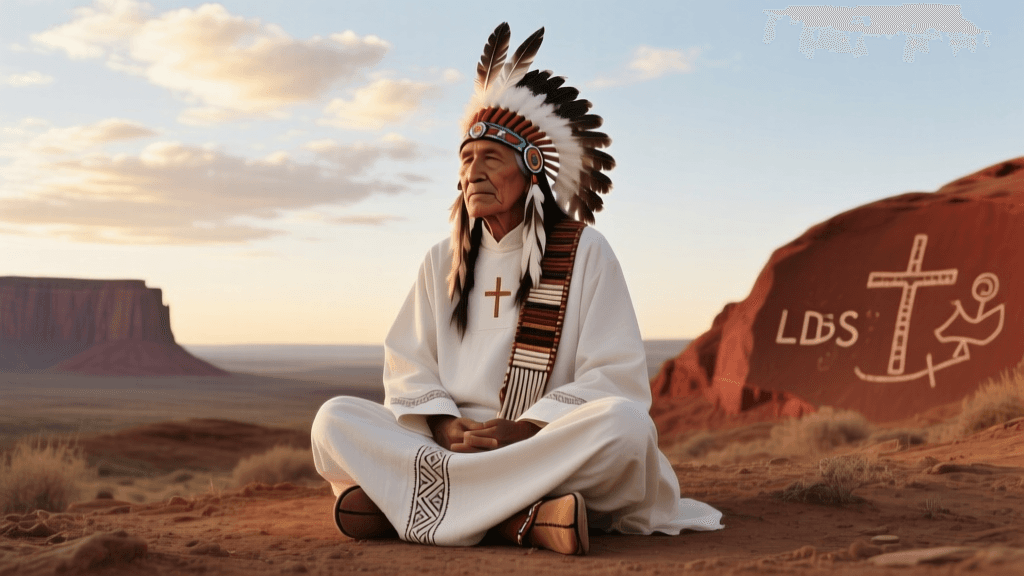
For Native American members who participate in Powwows or traditional ceremonies, the garment is worn beneath intricate, often heavy, traditional regalia. The modern stretch and moisture-wicking fabrics available in 2026 allow dancers to move freely and stay cool during intense summer intertribal gatherings, ensuring that their sacred covenants remain intact without interfering with the physical demands of their cultural dances.
Mesoamerican and Andean Textile Traditions
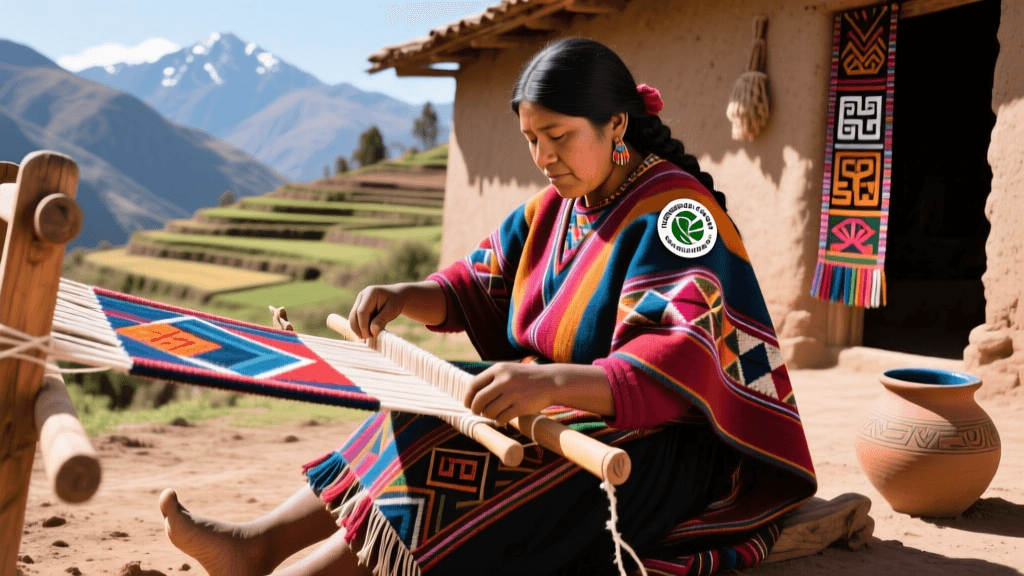
In regions like Guatemala and Peru, traditional outer garments such as the huipil or the poncho are woven with immense cultural pride, often signifying a wearer's specific village, marital status, and lineage. Indigenous Latter-day Saint women in these regions often speak of the beautiful duality of wearing the huipil to honor their ancestors and community, while wearing the temple garment beneath it to honor their divine heritage and eternal covenants. The garment becomes the ultimate, hidden sacred layer, known only to the wearer and the Divine.
2026 Garment Innovations for Diverse American Climates
The Americas encompass some of the most extreme and varied climates on Earth. Recognizing this, the Church's Distribution Services has continually refined its offerings. In 2026, members have access to a highly specialized range of garments designed for specific environmental challenges. According to the official Church Distribution store, the current lineup prioritizes sustainability, ethical manufacturing, and advanced textile engineering.
2026 Garment Style Comparison Chart
| 2026 Garment Line | Fabric Composition | Ideal Region / Climate | Price Range (USD) |
|---|---|---|---|
| Classic Cotton | 100% Combed Organic Cotton | Temperate zones (Pacific Northwest, Andean Highlands) | $12.00 - $14.00 |
| Performance Mesh | Recycled Nylon / Spandex Blend | High humidity (Amazon Basin, Mesoamerican Lowlands) | $16.00 - $18.00 |
| Stretch Modal | Micro-Modal / Elastane | Active lifestyles, Powwow dancers, agricultural work | $15.00 - $17.00 |
| Heat-Deflector Tech | CoolMax® Cotton Hybrid | Arid / Extreme heat (Sonoran Desert, Southwest US) | $18.00 - $20.00 |
Practical Guide: Sizing, Wear, and Respectful Care
For those preparing to receive their endowment in 2026, or for current members looking to update their wardrobe, proper fit and care are essential. The garment is meant to be worn day and night, serving as a continuous reminder of sacred promises. Therefore, comfort and correct sizing are paramount.
Sizing and Fit Recommendations
The 2026 sizing charts have been updated to reflect a more inclusive range of body types. When ordering:
- Measure Accurately: Use a soft measuring tape for the chest/bust, waist, and hips. Do not rely on standard retail clothing sizes, as garment sizing is unique to the distribution patterns.
- The Sacred Boundary: The garment should fit snugly but not restrictively. It is designed to cover the body from the shoulders to the knees. Altering the hemlines or necklines to suit secular fashion trends is discouraged, as it compromises the symbolic coverage of the vestment.
- Maternity and Adaptive Options: The Church offers specialized maternity panels and adaptive designs for members with physical disabilities or mobility issues, ensuring that the covenants are accessible to all.
Washing and Maintenance
To preserve the integrity of the 2026 eco-friendly fabrics and the sacred marks:
- Wash in cold or warm water with a mild, bleach-free detergent.
- Avoid fabric softeners on the Performance Mesh and Heat-Deflector lines, as they can coat the fibers and reduce their moisture-wicking capabilities.
- Tumble dry on low heat or air dry, especially for the Stretch Modal line, to prevent the elastane from breaking down over time.
Respectful Disposal
When a garment becomes worn, torn, or unusable, it must be disposed of respectfully. Church policy dictates that the sacred marks (compass, square, navel, and knee) must be carefully cut out and destroyed. The remaining fabric can then be discarded in the regular trash. For many Indigenous members, this process is approached with a mindset of deep reverence, treating the fabric not as mere refuse, but as a material that has served a holy purpose. While burying or burning the remnants is not officially mandated by the Church, some members in rural or tribal areas choose to bury the cut-up, non-marked cotton scraps to return the natural fibers to the earth, aligning with Indigenous practices of environmental stewardship and respect for all materials.
Conclusion
The LDS temple garment remains a profound symbol of faith, devotion, and spiritual armor for millions of Latter-day Saints across the globe. In 2026, the intersection of this sacred clothing with the vibrant, enduring cultures of Indigenous Americans highlights the universal nature of the gospel. Whether worn beneath the intricate beadwork of a Powwow dancer's regalia or the brightly woven threads of a Mayan huipil, the garment serves as a unifying, hidden thread that connects the wearer to the Divine. By utilizing the latest climate-appropriate fabrics and understanding the deep theological roots of the vestment, Indigenous members continue to beautifully weave their ancestral heritage with their eternal covenants.