LDS Temple Garments 2026: Sacred Symbolism & Climate Adaptations
The Spiritual Foundation of Temple Garments
For members of The Church of Jesus Christ of Latter-day Saints, temple garments represent far more than a simple undergarment. Often referred to respectfully as the 'armor of God,' these sacred garments are worn by endowed members as a constant, private reminder of the covenants they have made with God. In 2026, as the Church continues to grow and diversify across the Americas, the cultural significance and practical application of these garments have evolved to meet the needs of a global membership while maintaining their profound spiritual core.
Unlike secular clothing trends that shift with the seasons, the temple garment is rooted in eternal principles. It serves as a physical and spiritual shield, encouraging modesty, mindfulness, and a continuous connection to the divine. Understanding the garment requires looking past secular misconceptions and examining the deep theological and cultural roots that make it a cornerstone of Latter-day Saint identity across North, Central, and South America.
Historical Origins and Sacred Symbolism
The practice of wearing sacred undergarments was introduced by the Prophet Joseph Smith in the early 1840s in Nauvoo, Illinois, alongside the introduction of the temple endowment. Originally designed as a one-piece union suit, the garment was intended to provide spiritual protection and serve as a mnemonic device. According to the General Handbook of The Church of Jesus Christ of Latter-day Saints, the garment is a sacred privilege and a reminder of the Savior's atoning sacrifice.
Woven or embroidered into the fabric are specific marks that hold deep symbolic meaning for the wearer. These marks are not magical talismans, but rather visual reminders of spiritual truths:
- The Square: Represents honor, integrity, loyalty, and truthfulness.
- The Compass: Symbolizes an undeviating course in relation to truth, and the desire to keep all passions within the bounds set by the Lord.
- The Navel Mark: A reminder that the wearer must never sever the vital connection to God and the eternal family.
- The Knee Mark: Represents reverence for the Lord and the willingness to bow the knee in prayer and submission to divine will.
These symbols transform a simple piece of clothing into a wearable sanctuary, allowing members to carry the sacred atmosphere of the temple into their everyday lives.
Indigenous and Cultural Intersections in the Americas
The Americas are home to a rich tapestry of Indigenous cultures, many of which have embraced the restored gospel of Jesus Christ. For Native American, First Nations, and Latin American Indigenous Latter-day Saints, the temple garment intersects beautifully with cultural identity. In 2026, there is a profound appreciation for how the sacred covenants of the temple transcend Euro-American cultural norms, rooting themselves deeply into Indigenous traditions.
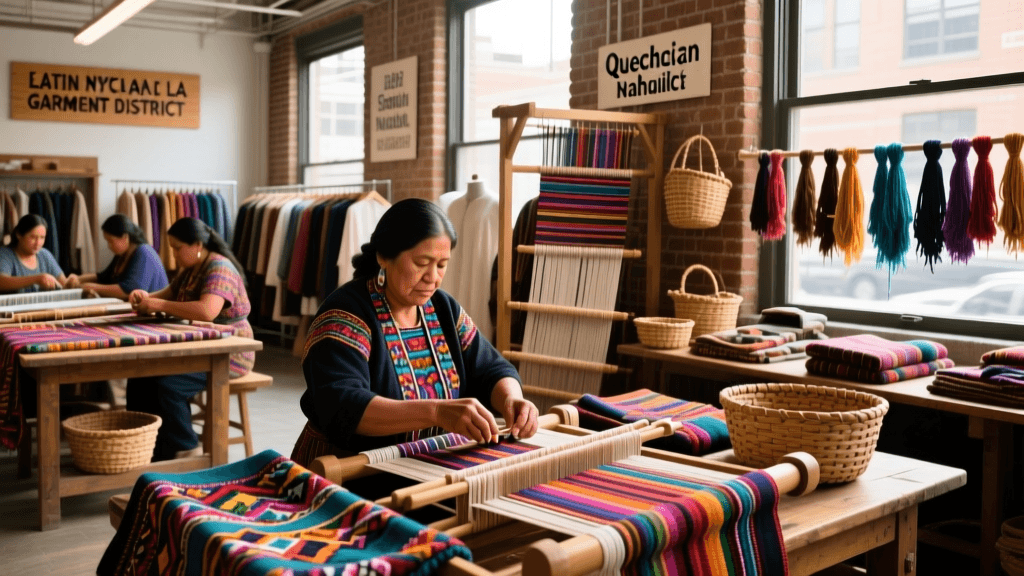
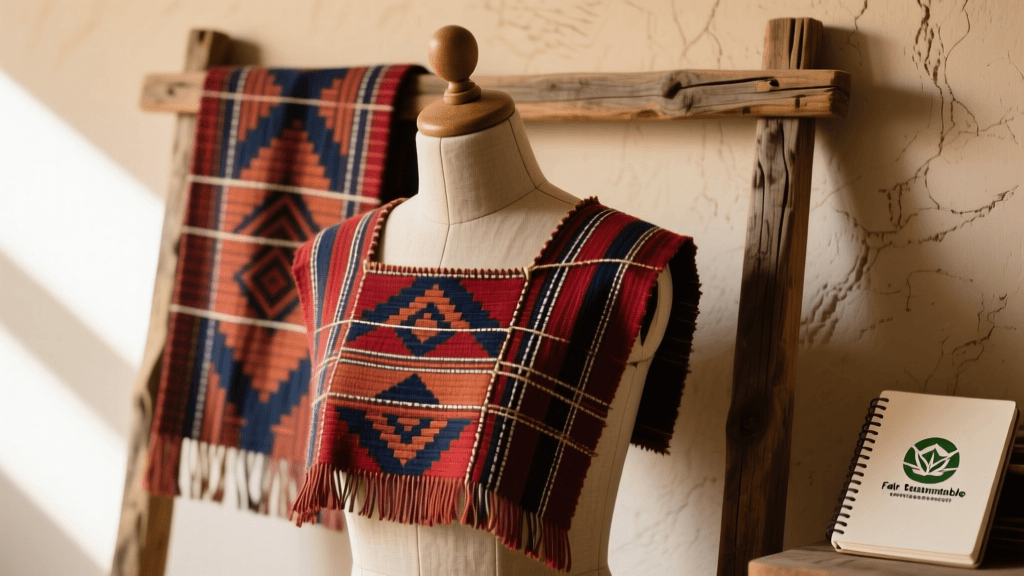
For example, among the Diné (Navajo) and Lakota communities in the United States, wearing the garment does not conflict with traditional regalia. When participating in cultural ceremonies, powwows, or community gatherings, members may wear traditional ribbon shirts, beaded moccasins, or woven blankets. The temple garment remains a private, sacred underlayer that provides spiritual grounding amidst cultural expression. Similarly, in the highlands of Guatemala and the Andean regions of Peru, Indigenous Mayan and Quechua members wear the garment beneath traditional woven huipiles and polleras. This harmonious integration highlights the universal nature of the temple covenants, which adapt to and respect the diverse cultural garments of the Americas.
The Evolution of Design: From Union Suits to Modern Comfort
Historically, temple garments were one-piece garments that extended to the wrists and ankles. Over the decades, the Church has adapted the design to accommodate modern lifestyles, changing climates, and the practical needs of its members. By the mid-20th century, the two-piece design (a t-shirt style top and knee-length bottoms) became the standard.
Today, in 2026, the Church Distribution Services offers a wide variety of styles tailored to different body types and modesty needs. Women can choose from traditional t-shirt styles, camisoles with wider straps, and cap-sleeve designs that accommodate modern professional and casual wardrobes. Men have access to crew neck, v-neck, and athletic-cut tops. This evolution ensures that the sacred requirement of wearing the garment does not force members to abandon contemporary, modest fashion, but rather integrates seamlessly into their daily attire.
2026 Fabric Technologies for Diverse Climates
The Americas span vastly different climate zones—from the freezing tundras of northern Canada to the sweltering humidity of the Amazon basin and the arid deserts of the American Southwest. To ensure that members can wear the garment comfortably year-round, the Church has invested heavily in textile technology. In 2026, the fabric options available are more advanced and climate-responsive than ever before.
| Fabric Type | Best Climate/Region | Key Features & Benefits |
|---|---|---|
| Stretch Mesh | Tropical (e.g., Amazon, Central America, Caribbean) | Highly breathable, lightweight, quick-drying, and ideal for high-humidity environments. |
| Modal Blend | Temperate/Moderate (e.g., US Pacific Northwest, Southern Brazil) | Silky smooth, durable, excellent moisture-wicking properties, and resistant to shrinking. |
| 100% Cotton | Arid/Dry (e.g., US Southwest, Andean Highlands) | Classic natural feel, highly absorbent, breathable, and gentle on sensitive skin. |
| Stretch Cotton | Variable/Active (e.g., Urban Commuters, Athletes) | Provides flexibility, shape retention, and comfort during high-movement activities. |
For Indigenous members living in the humid lowlands of Mesoamerica, the stretch mesh fabric has been a revelation, allowing them to honor their covenants without suffering from heat exhaustion. Conversely, the heavy cotton options remain popular in the high-altitude, dry climates of the Andes and the North American plains, providing both warmth and comfort.
Purchasing, Sizing, and Respectful Care in 2026
Acquiring temple garments is a straightforward process for endowed members. In 2026, the primary method of purchasing is through the Church's secure online Distribution portal or at physical distribution centers located near temples worldwide. Members must log in with their Church account, which verifies their endowed status before granting access to the garment catalog.
Proper sizing is crucial for both comfort and modesty. The online store provides detailed, interactive measuring guides. It is recommended that members measure their chest, waist, and inseam annually, as body changes and fabric shrinkage can affect the fit over time. A well-fitted garment should not be so tight that it restricts movement or damages the sacred marks, nor so loose that it bunches uncomfortably.
Caring for the garment requires a mindset of respect. While they are washed in standard washing machines with regular laundry detergent, members are taught to treat them with reverence. They are not to be left on the floor or discarded casually. When a garment becomes worn, torn, or unusable, the Church instructs members to dispose of it respectfully. The standard practice in 2026 remains cutting the marks out of the fabric to preserve their sacred nature, and then either burning the remaining fabric or cutting it into pieces so small that it cannot be recognized as a garment before placing it in the trash.
A Living Covenant in a Modern World
The cultural significance of the LDS temple garment in 2026 lies in its ability to bridge the eternal and the everyday. For the diverse populations across the Americas—from Native American tribal lands to the bustling metropolises of Latin America—the garment is a unifying thread of faith. It is a quiet, unseen commitment that shapes the wearer's choices, interactions, and spiritual focus. As fabric technologies continue to improve and cultural intersections are celebrated, the temple garment remains exactly what it was always intended to be: an outward expression of an inward, unbreakable covenant.