Plains & Southwest Indigenous Regalia Material Sourcing 2026
Indigenous North American Dress: A 2026 Sourcing Guide
Indigenous North American dress traditions are as diverse as the landscapes and tribes from which they originate. From the intricate, geometric beadwork of the Great Plains to the bold, woven textiles of the Southwest, traditional garments and regalia are profound expressions of cultural identity, spiritual belief, and historical continuity. However, for artisans, cultural preservationists, and respectful creators looking to engage with these traditions in 2026, sourcing authentic, ethically harvested materials presents a unique set of challenges and responsibilities.
In 2026, the push for sovereign Indigenous supply chains has never been stronger. Artisans are increasingly moving away from mass-produced, imported craft supplies, favoring materials that support Indigenous land stewardship, traditional ecological knowledge, and tribal economies. This guide explores the material traditions of two distinct regions—the Diné (Navajo) of the Southwest and the Lakota of the Plains—providing actionable, up-to-date advice on where and how to source authentic materials for traditional garment creation today.
The Southwest: Diné (Navajo) Churro Wool Weaving
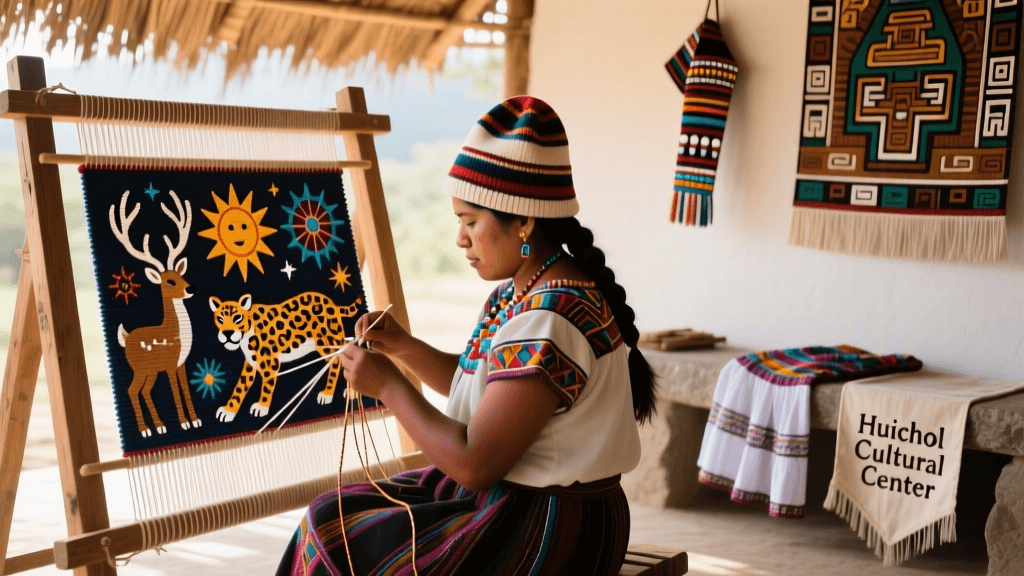
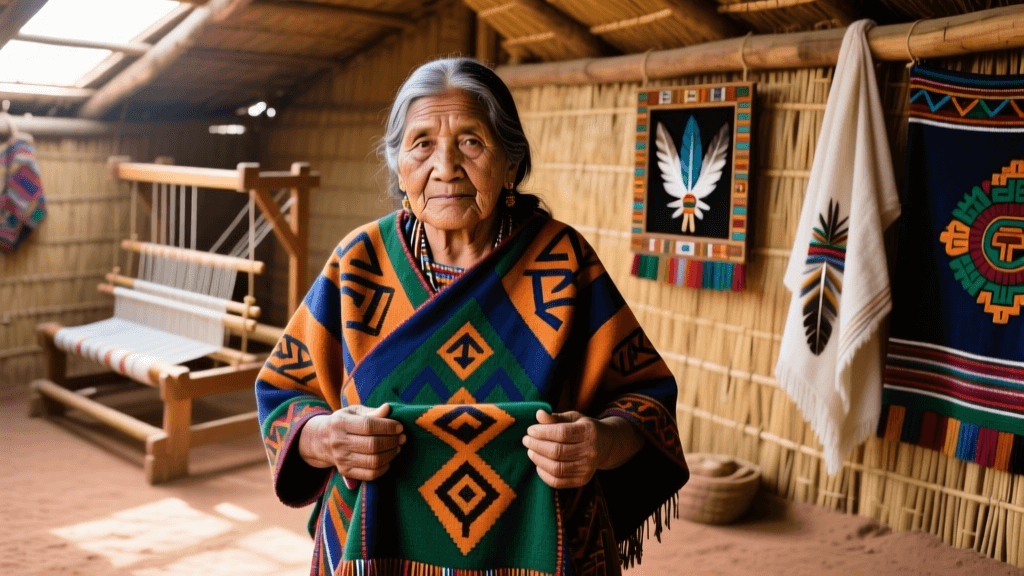
The weaving tradition of the Diné people is globally renowned, characterized by its striking geometric patterns, natural dyes, and the unique texture of the wool used. The foundation of this textile tradition is the Navajo-Churro sheep, a heritage breed brought to the Americas by Spanish colonizers in the 16th century and subsequently adopted, adapted, and fiercely protected by the Diné.
The Significance of the Navajo-Churro Sheep
Churro wool is distinct from modern commercial merino or romney wools. It features a long staple length (often 6 to 12 inches), a dual-coated fleece consisting of a soft inner down and a coarse outer hair, and very low lanolin content. This low grease content means the wool can be spun without extensive washing or carding, a crucial factor in the arid Southwest where water is precious. The resulting yarn is incredibly durable, lustrous, and perfect for the warp and weft of heavy saddle blankets, rugs, and traditional wearing garments like the biil (woven dress).
Sourcing Authentic Churro Wool in 2026
As of 2026, climate variability and drought conditions in the Southwest have impacted grazing lands, making ethically sourced, land-stewarded Churro wool a premium material. To ensure you are supporting Diné shepherds and avoiding commercial crossbreeds, buyers should source directly from Indigenous cooperatives.
- Black Mesa Weavers for Life and Land: This Indigenous-owned cooperative remains a premier source for raw fleece, hand-spun yarn, and finished textiles. In 2026, raw Churro fleece averages $25 to $35 per pound, while hand-spun, naturally dyed yarn can command $80 to $120 per pound.
- Navajo Churro Sheep Association: While not a direct retail storefront, connecting with registered breeders through the association ensures genetic authenticity and supports the preservation of the breed's historic bloodlines.
Actionable Advice for Weavers: When preparing Churro wool for a traditional warp, spin the yarn with a tight, high twist using a traditional wooden drop spindle (distsiin). The coarse outer hairs provide the structural integrity needed to withstand the high tension of an upright Pueblo-style loom.
The Plains: Lakota Quillwork and Beadwork
Before the introduction of European glass beads, the Lakota and other Plains tribes mastered the art of porcupine quillwork. Quillwork is considered a sacred art form, traditionally governed by spiritual protocols and dreams. Today, both quillwork and the later tradition of glass beadwork remain vital components of Lakota regalia, adorning moccasins, pipe bags, cradleboards, and dance outfits.
Sourcing Ethical Porcupine Quills
Sourcing porcupine quills in 2026 requires strict adherence to ethical and legal guidelines. Porcupines are protected in various jurisdictions, and harvesting them solely for craft purposes is heavily regulated and often discouraged by conservationists.
- Roadkill and Natural Shedding: The most ethical and legally sound method for non-Indigenous or off-reservation artisans to acquire quills is through naturally shed quills or legally salvaged roadkill, where local wildlife laws permit.
- Indigenous Harvesters: Purchasing directly from Indigenous harvesters on reservations ensures that the animal is utilized fully (for meat and traditional medicines) in accordance with tribal hunting rights and ecological management practices. Expect to pay $15 to $25 per ounce for sorted, cleaned, and dyed quills in 2026.
Glass Beads and Brain-Tanned Hides
For Lakota beadwork, the choice of bead and backing material drastically alters the historical accuracy and drape of the garment. In 2026, master beadworkers favor Czech glass seed beads (specifically Charlotte cut or 'one-cut' beads in size 11/0 or 13/0) over uniform Japanese beads like Miyuki, as the slight irregularities of Czech beads mimic the historical look of 19th-century trade beads.
The backing material is equally critical. Commercial chrome-tanned leather is stiff and lacks the cultural resonance of traditional hides. Brain-tanned buckskin, smoked over cottonwood or juniper, offers a supple, cloth-like drape that is essential for traditional Plains dresses and leggings. In 2026, authentic brain-tanned deer hides range from $15 to $25 per square foot, while elk hides can exceed $30 per square foot.
2026 Material Sourcing & Pricing Comparison
| Material | Region / Tradition | 2026 Avg. Cost | Primary Use in Regalia | Ethical Sourcing Note |
|---|---|---|---|---|
| Navajo-Churro Fleece | Southwest / Diné | $25 - $35 / lb | Woven dresses, blankets, sashes | Buy from Indigenous cooperatives to support land stewardship. |
| Porcupine Quills | Plains / Lakota | $15 - $25 / oz | Quillwork on moccasins, pipe bags | Ensure legal salvage or purchase from tribal harvesters. |
| Brain-Tanned Buckskin | Plains / Pan-Indian | $15 - $25 / sq ft | Leggings, dresses, pouches | Support traditional hide-tanners; avoid chemical chrome-tan. |
| Czech Seed Beads (11/0) | Plains / Lakota | $4 - $8 / hank | Lazy stitch, appliqué beadwork | Seek vintage or authentic Charlotte cuts for historical accuracy. |
Legal Frameworks and Ethical Crafting in 2026
When sourcing materials and creating garments inspired by or belonging to Indigenous traditions, understanding the legal and ethical landscape is paramount. The Indian Arts and Crafts Board (IACB), a division of the U.S. Department of the Interior, enforces the Indian Arts and Crafts Act. This federal truth-in-advertising law prohibits the marketing of art or craft products in a manner that falsely suggests they are Indian-produced, an Indian product, or the product of a particular Indian tribe.
In 2026, enforcement of the IACB has expanded significantly into e-commerce and social media marketplaces. If you are a non-Native artisan creating garments using these traditional techniques and materials, you must be explicitly transparent about your identity and the origins of your work. You cannot market a beaded buckskin jacket as 'Native American' or 'Lakota style' if you are not an enrolled member of a federally or state-recognized tribe.
Furthermore, the inclusion of certain animal parts in regalia—most notably eagle feathers, migratory bird feathers, and specific furs—is strictly governed by the Bald and Golden Eagle Protection Act and the Migratory Bird Treaty Act. Only enrolled members of federally recognized tribes in the United States are legally permitted to possess and use eagle feathers for religious and cultural purposes, typically sourced through the National Eagle Repository. Non-Native individuals found possessing or trading these items face severe federal penalties.
Engaging with the Culture: Museums and 2026 Events
To truly understand the construction, drape, and spiritual weight of Indigenous North American garments, studying historical and contemporary pieces is essential. The Smithsonian National Museum of the American Indian (NMAI) offers extensive digital archives and rotating physical exhibitions that showcase the evolution of tribal dress, from pre-contact weaving to modern powwow regalia. Studying these archives provides critical insights into stitch types, color palettes, and regional variations that mass-market craft books often misrepresent.
For those looking to purchase authentic, finished garments or raw materials directly from tribal artisans, the 2026 powwow and Indian market circuit is the most ethical avenue. Events such as the Gathering of Nations in Albuquerque, New Mexico, and the Heard Museum Guild Indian Fair and Market in Phoenix, Arizona, vet their vendors to ensure compliance with the Indian Arts and Crafts Act. Attending these events not only guarantees the authenticity of your materials but also injects capital directly into Indigenous families and communities, ensuring these ancient textile and garment traditions thrive for generations to come.
Conclusion
The creation of Indigenous North American traditional garments is a profound intersection of art, ecology, and spirituality. Whether you are a Diné weaver sourcing Churro wool from your relatives' flocks, a Lakota beadworker selecting the perfect Czech Charlottes, or a respectful student of textile history, the materials you choose matter. By prioritizing ethical sourcing, adhering to federal and tribal laws, and supporting Indigenous-owned cooperatives in 2026, we can help protect the integrity and sovereignty of these irreplaceable cultural traditions.