Jingle Dress Regalia Guide 2026: Materials & Powwow Trends
The Sacred Origins of the Jingle Dress
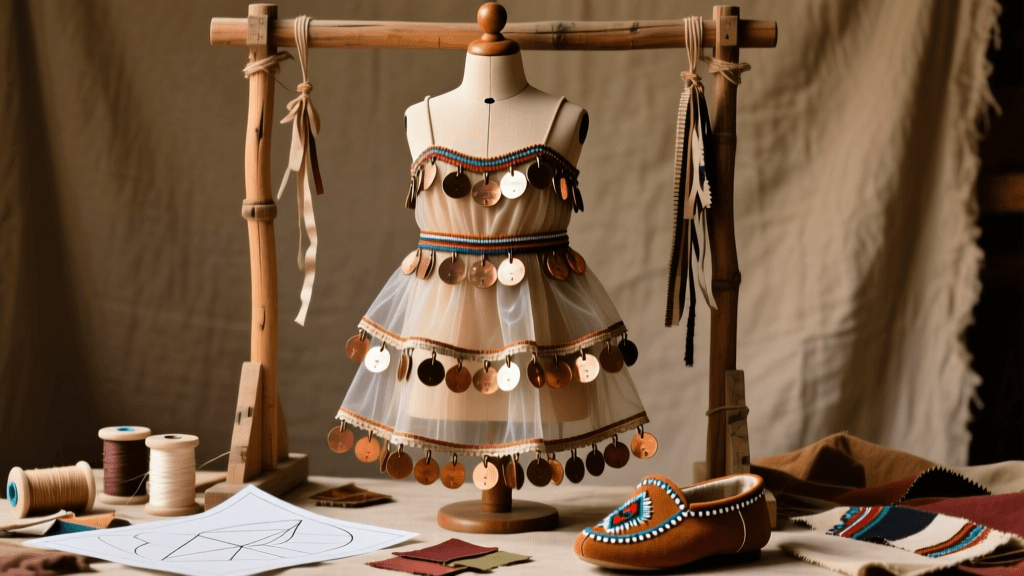
The Jingle Dress, known in the Ojibwe language as Bibaamidaazoowin, is far more than a garment; it is a profound spiritual instrument and a symbol of healing. Originating among the Ojibwe (Anishinaabe) people in the early 20th century, the dress and its accompanying dance were born from a vision. According to oral histories from the Mille Lacs Band of Ojibwe, a medicine man received a dream detailing the construction of a dress adorned with metal cones that would create a specific, rain-like sound when danced in. This sound was believed to possess the power to heal the sick and restore balance to the community. Today, the Jingle Dress dance remains one of the most revered and widely performed dances on the North American powwow circuit. As we navigate the 2026 powwow season, the regalia continues to evolve in its material construction while maintaining its sacred core purpose. For a deeper understanding of the dance's historical role in community healing, the Smithsonian Magazine provides an excellent retrospective on how the Jingle Dress served as a beacon of resilience and health during recent global health crises.
Anatomy of a Modern Jingle Dress (2026 Powwow Standards)
Constructing a Jingle Dress requires a meticulous balance of traditional aesthetics, cultural protocol, and practical considerations for the modern powwow dancer. A standard competitive or exhibition dress typically features an A-line or T-shaped silhouette, designed to allow the dancer's feet to remain close to the ground in a rhythmic, side-stepping motion. The hem, sleeves, and yoke are heavily decorated with ribbon appliqué, beadwork, and, most importantly, the jingles themselves.
The Cones: Metallurgy, Sizing, and Placement
Historically, jingles were crafted by rolling the lids of snuff cans into small, conical tubes. In 2026, modern jingles are mass-produced from stamped stainless steel, zinc, or aluminum, designed to mimic the acoustic properties of the original snuff cans while offering greater durability. The standard size for a competitive adult dress ranges from 2.5 inches to 3 inches in length. The placement of the cones is a matter of both visual geometry and acoustic engineering. They are typically sewn in staggered rows across the bodice, sleeves, and skirt. While traditional teachings sometimes call for exactly 365 jingles—one for each day of the year, representing a daily prayer for healing—many contemporary dancers opt for a slightly lower count (between 150 and 250) to manage the physical weight of the garment during high-heat summer powwows.
Fabric Selection: Broadcloth and Modern Blends
Wool broadcloth has long been the gold standard for Indigenous regalia due to its heavy drape, which allows the dress to swing beautifully during the dance. However, the 2026 powwow circuit has seen a significant shift toward high-performance, moisture-wicking synthetic blends and lightweight cotton-poly broadcloths. These modern textiles offer the traditional matte finish and heavy drape of wool but provide essential breathability for dancers competing in the intense heat of July and August intertribal gatherings. Jewel tones—particularly deep emerald, sapphire blue, and rich burgundy—remain the dominant color palette, providing a striking contrast to the bright, multi-colored ribbon work.
Ribbon Appliqué and Decorative Techniques
The ribbon work adorning a Jingle Dress is a hallmark of Great Lakes Indigenous textile art. In 2026, the trend leans heavily toward intricate, multi-layered appliqué using double-faced satin ribbons. Artisans use a reverse-appliqué technique, cutting intricate geometric or floral patterns into a top layer of ribbon to reveal a contrasting color beneath. This requires precision sewing, often utilizing a tight zigzag or blind-hem stitch to ensure the edges do not fray over years of rigorous dancing. Many elder seamstresses advise against using fusible webbing (iron-on adhesive) for high-end competition regalia, as the heat and sweat of the powwow arbor can cause the adhesive to degrade over time. Instead, hand-basting and machine-stitching remain the preferred methods for heirloom-quality garments.
2026 Material Sourcing and Cost Breakdown
Sourcing authentic, high-quality materials is crucial for any regalia maker. The Indian Arts and Crafts Board provides vital resources and guidelines for ensuring that materials and finished garments are sourced ethically and authentically, protecting both the consumer and the Indigenous artisans. Below is a comprehensive breakdown of the estimated costs and sourcing recommendations for constructing an adult-sized Jingle Dress in 2026.
| Material Component | 2026 Estimated Cost | Sourcing & Recommendations |
|---|---|---|
| Premium Poly-Wool Broadcloth (5-7 yards) | $140 - $210 | Specialty Native trade cloth vendors; look for 60-inch width and matte finish. |
| Stainless Steel Jingles (Box of 500) | $85 - $120 | Native-owned bead and craft suppliers; 2.75-inch size is standard for adults. |
| Double-Faced Satin Ribbon (Assorted) | $60 - $95 | Bulk spools from wholesale ribbon distributors; avoid single-faced craft ribbons. |
| Heavy-Duty Upholstery Thread | $15 - $25 | Polyester core-spun thread to support the heavy weight of the metal cones. |
| Seed Beads & Appliqué Supplies | $50 - $150 | Size 11/0 or 13/0 Czech glass beads for yoke and cuff border detailing. |
| Total Estimated Material Cost | $350 - $600 | Excludes labor; professional custom commission dresses range from $1,500 to $3,500+. |
Completing the Regalia: Accessories and Beadwork
A Jingle Dress is never worn in isolation; it is part of a comprehensive ensemble that tells a story of family, clan, and regional identity. The accessories are just as critical as the dress itself. In 2026, the prevailing style for Jingle Dress dancers includes fully beaded moccasins and matching leggings, often featuring Great Lakes floral motifs or geometric Plains-style patterns, depending on the dancer's heritage. A beaded purse, worn at the hip or draped over the shoulder, is a functional and decorative staple. Furthermore, dancers carry a feather fan—typically made from eagle, hawk, or macaw feathers. It is imperative to note that the possession and use of eagle feathers are strictly regulated under federal law, restricted to enrolled members of federally recognized tribes who obtain them through the National Eagle Repository. Hair is traditionally styled in twin braids wrapped with beaded hair ties or adorned with a decorative barrette, and a plume or eagle feather is often secured in the hair or on a headband to complete the silhouette.
Cultural Protocol and the Meaning of the Dance
When discussing Native American traditional clothing, it is vital to use the correct terminology. These garments are never referred to as 'costumes,' a word that implies play-acting or fictional representation. They are regalia, imbued with spiritual significance, family history, and cultural pride. The Jingle Dress dance is a prayer. When a dancer steps into the arbor, they are often dancing on behalf of someone who is sick, grieving, or in need of spiritual intervention. The sound of the jingles hitting together is meant to mimic the sound of rain on a tin roof, calling upon the healing powers of the water and the spirits. Spectators at powwows are expected to show respect by standing during the Jingle Dress dance, removing hats, and refraining from photography if the emcee announces that the dance is being performed as a specific healing prayer. As the 2026 powwow season brings together thousands of dancers and spectators across the Americas, the Jingle Dress stands as a testament to the enduring strength, adaptability, and spiritual depth of Indigenous cultures. Whether you are a dancer seeking to upgrade your regalia, a seamstress looking to understand the technical requirements of the garment, or an admirer of Indigenous textile arts, approaching the Jingle Dress with reverence and a willingness to learn is the most important step you can take.