2026 Garment District Guide: Sourcing Indigenous Regalia
The Intersection of Tradition and American Textile Hubs
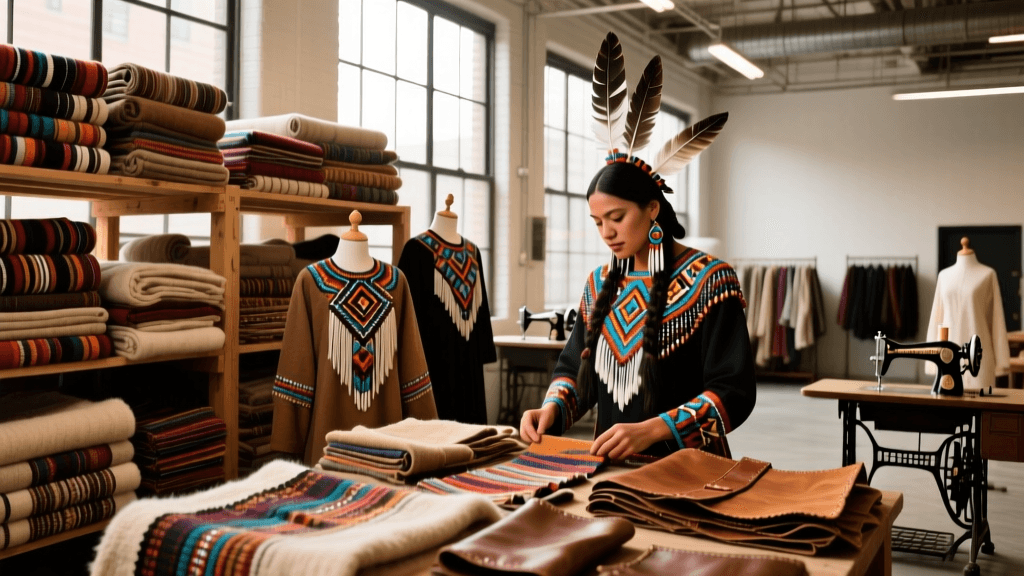
The creation of traditional Indigenous garments, Native American regalia, and Latin American cultural dress is a deeply respected art form that requires highly specific, high-quality materials. While many artisans source directly from tribal trade posts or local community suppliers, the major American fashion hubs—specifically the New York City Garment District and the Los Angeles Fashion District—remain indispensable resources for bulk textiles, specialized trims, and rare notions. As we navigate the 2026 sourcing landscape, these historic districts have evolved, integrating digital inventory mapping and sustainable import cooperatives that make them more accessible than ever to Indigenous designers and traditional artisans.
Whether you are constructing a heavily beaded Ojibwe floral bandolier bag, tailoring a Navajo velvet biil (traditional dress), or crafting a vibrant Jalisco folkloric dance skirt, knowing exactly which streets, showrooms, and wholesalers to visit is crucial. This comprehensive 2026 guide breaks down how to navigate the NYC and LA garment districts to source authentic, high-grade materials for Americas and Indigenous traditional clothing.
New York City Garment District: Broadcloth, Wool, and Trim
Located in Midtown Manhattan, roughly between 34th and 42nd Streets, the NYC Garment District Alliance has long been the epicenter of American fashion manufacturing. In 2026, the district has seen a massive resurgence in hybrid showrooms, allowing artisans to browse digital swatches online before visiting the physical storefronts to inspect the drape and weight of traditional textiles.
Key Materials for Native Regalia
For Native American regalia, the weight and fray-resistance of the fabric are paramount. The NYC district is unmatched for sourcing premium Melton wool and Stroud cloth (a heavy, felted broadcloth). Melton wool, typically ranging from 16 to 24 ounces per yard, is the gold standard for ribbon skirts, ribbon shirts, and traditional winter coats because its tight weave prevents fraying when cut for appliqué work without the need for hemming. In 2026, wholesalers on West 38th and 39th Streets offer 100% wool Melton in the deep, colorfast reds, navies, and blacks required for Powwow regalia, with wholesale prices averaging $28 to $35 per yard for orders over 25 yards.
Beyond wool, the district is a haven for trim and ribbon. Ribbon work, a cornerstone of many Plains and Woodland tribal garments, requires high-quality grosgrain and satin ribbons in specific widths (commonly 3/8-inch, 5/8-inch, and 1-inch). Stores like Mokuba on West 38th Street carry extensive inventories of colorfast, double-faced satin ribbons that withstand the rigorous movement of competitive Powwow dancing without tearing or losing their luster.
Sourcing Beads and Notions
While many beaders order online, the physical bead shops in the NYC Garment District offer the advantage of color-matching in natural light. Artisans can find authentic Czech glass seed beads (such as Preciosa brand in sizes 11/0 and 13/0), which are preferred over plastic or lower-grade acrylics for their uniformity and historical accuracy in floral and geometric beadwork. Furthermore, specialized leather suppliers in the district provide brain-tanned and commercially smoked buckskin, as well as heavy-duty sinew and beading needles (like the coveted John James beading needles) that are often difficult to find in standard craft stores.
Los Angeles Fashion District: Latin American Textiles and Beadwork
Spanning over 100 blocks in Downtown Los Angeles, the LA Fashion District operates with a distinctly different energy, heavily influenced by the vibrant textile traditions of Latin America. For artisans and designers creating traditional Mexican, Central American, and South American garments, LA is the undisputed premier hub in the United States.
Sourcing for Traditional Latin American Garments
The epicenter for traditional Latin American textiles in LA is found along East 9th Street and the surrounding blocks of the California Market Center. Here, importers bring in authentic manta (unbleached cotton muslin), which is the foundational fabric for traditional Mexican embroidery (such as the intricate Tenango or Oaxacan floral styles). In 2026, several import cooperatives have established direct-trade relationships with weaving collectives in Oaxaca and Chiapas, ensuring that artisans in the Americas can purchase authentic, hand-loomed cottons and wools that directly support Indigenous weavers in their home countries.
For folkloric dance troupes (Ballet Folklórico) and traditional celebrations like Quinceañeras, the LA district offers unparalleled access to heavy bridal satins, metallic lace (encaje), and vibrant poly-cotton blends. The lace wholesalers on Maple Avenue stock the wide, scalloped, metallic-thread laces required for Jalisco and Michoacán regional dresses, often selling by the bolt at prices 40% lower than retail bridal shops.
The Beadwork, Sequin, and Trim Wholesalers
Latin American traditional garments often feature heavy embellishment, including chaquira (beadwork) and lentejuelas (sequins). The LA Fashion District houses massive wholesale warehouses dedicated entirely to embellishments. Artisans can purchase bulk kilos of high-grade glass bugle beads, metallic seed beads, and hand-embroidered sequin appliqués. The district's proximity to the Port of Los Angeles means that new shipments of specialized trims from South America and Europe arrive weekly, ensuring that designers have access to the latest color palettes and traditional motifs for the 2026 season.
2026 Sourcing Comparison: NYC vs. LA
To help traditional garment makers plan their sourcing trips, we have compiled a comparison of the two major hubs based on the current 2026 market conditions.
| Feature | NYC Garment District | LA Fashion District |
|---|---|---|
| Primary Focus | High-end wools, broadcloths, leather, and specialized European trims. | Latin American imports, cottons, lace, heavy embellishments, and dance fabrics. |
| Best For Regalia | Melton wool, Stroud cloth, Czech glass beads, buckskin, and grosgrain ribbon. | Trade cloth alternatives, vibrant calicos, and bulk seed beads for Powwow regalia. |
| Best For Latin American | High-end bridal silks and specialized embroidery threads. | Authentic manta, hand-loomed imports, metallic lace, and folkloric dance satins. |
| 2026 Pricing Trend | Higher retail/wholesale minimums; premium pricing for heritage wools. | Highly competitive; bulk discounts are aggressive, especially on 9th Street. |
| Artisan Accessibility | Many showrooms require appointments; hybrid digital/physical browsing is standard. | Highly walkable; many wholesalers accept cash and offer immediate bolt-cutting. |
Practical Tips for Artisans and Designers in 2026
Sourcing in major metropolitan fashion districts can be overwhelming, especially for independent Indigenous artisans or community-based cultural organizations. Here are actionable strategies to maximize your sourcing trip this year:
- Navigate Minimum Order Quantities (MOQs): Many traditional wool and lace wholesalers operate on strict MOQs, often requiring purchases of 25 to 50 yards per color. If you are an independent artisan making a single ribbon shirt or dance dress, look for 'jobbers' or end-of-roll liquidators on the peripheries of the main districts. In LA, the 'Santee Alley' area offers smaller cuts of Latin American textiles without the wholesale requirements, though quality verification is essential.
- Verify Authenticity and Ethics: As the demand for Indigenous-made goods grows, so does the market for mass-produced knockoffs. When sourcing Latin American textiles in LA, ask importers for documentation regarding direct-trade partnerships. Organizations like the First Peoples Fund emphasize the importance of ethical sourcing that supports Native and Indigenous economies. Ensure your fabric purchases align with these values by prioritizing vendors who transparently credit and compensate the original weaving communities.
- Utilize District Shipping Hubs: Both the NYC and LA districts are surrounded by specialized freight and shipping services that cater to the garment industry. If you are purchasing heavy bolts of Melton wool or large boxes of glass beads to ship back to a reservation or rural community, use the district's local freight forwarders. They offer consolidated shipping rates that are significantly cheaper than standard retail parcel services, especially for pallet-sized orders.
- Bring Your Own Tools: When visiting trim and ribbon wholesalers, bring a physical color wheel, a magnifying glass for inspecting bead uniformity, and a tape measure. Store lighting in the garment districts can be heavily tinted (often fluorescent or warm LED), which can distort the perception of subtle color variations in glass beads and dyed wools. Always inspect your materials near a window with natural daylight before finalizing a bulk purchase.
Conclusion
The NYC and LA garment districts remain vital arteries for the preservation and evolution of Americas and Indigenous clothing traditions. While the digital age has made online sourcing convenient, the tactile nature of traditional garment making demands that artisans feel the weight of the Melton wool, test the fray-resistance of the broadcloth, and see the true color of the glass beads. By understanding the distinct specialties of each hub and leveraging the 2026 market trends, Indigenous designers and cultural artisans can secure the highest quality materials, ensuring that the regalia and traditional garments of today will endure for generations to come.