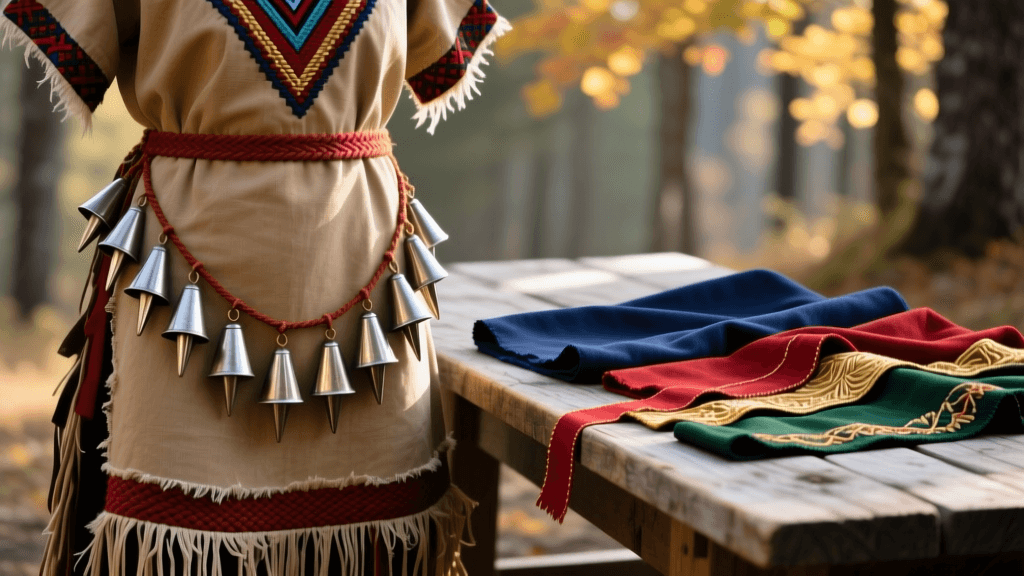
Pacific Northwest & Plains Regalia: 2026 Tribal Dress Guide
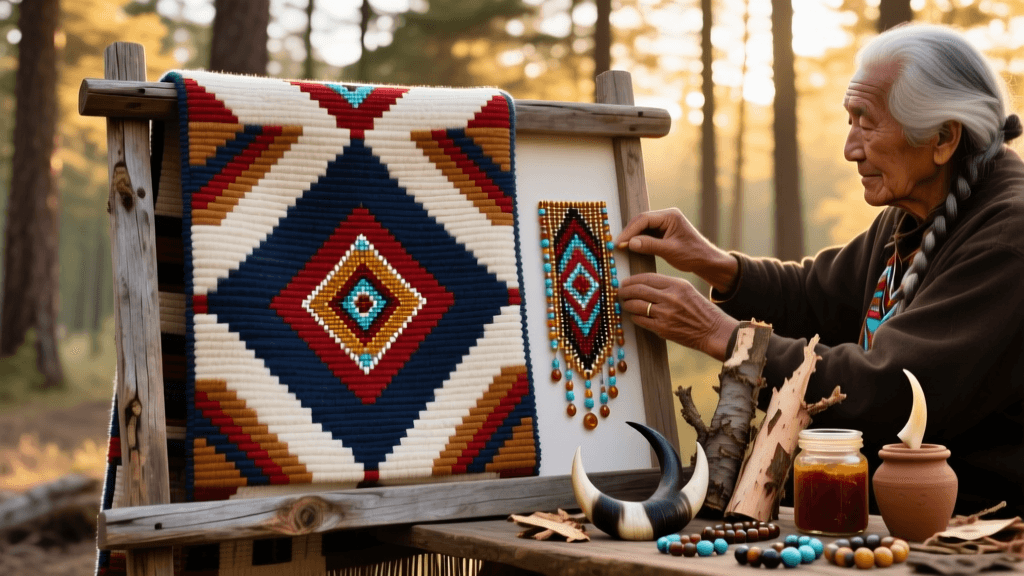
The Living Heritage of Indigenous North American Dress
Indigenous North American dress traditions are not static relics of the past; they are dynamic, living practices that continue to evolve while maintaining deep ancestral roots. As we navigate 2026, the landscape of Native American and First Nations regalia is defined by a powerful resurgence in traditional ecological knowledge, material revitalization, and strict ethical boundaries against cultural appropriation. For collectors, museum curators, and cultural enthusiasts, understanding the distinct regional variations—particularly between the Pacific Northwest Coast and the Great Plains—is essential for respectful engagement and accurate historical appreciation.
In 2026, the market for authentic Indigenous regalia has shifted dramatically. Following the strict enforcement of updated federal repatriation mandates over the last few years, many institutions have returned ancestral garments to their rightful tribes. Consequently, museums and serious collectors in 2026 are heavily commissioning contemporary Indigenous artists to create new, living pieces for exhibition, rather than relying solely on historical artifacts. This guide explores the defining characteristics, materials, and 2026 market dynamics of two of the most iconic regional dress traditions: Pacific Northwest button blankets and Plains beadwork.
Pacific Northwest Coast: Crests, Cedar, and Button Blankets
The Pacific Northwest Coast—home to the Tlingit, Haida, Tsimshian, and Kwakwaka'wakw peoples—is renowned for its monumental art, complex clan systems, and spectacular ceremonial garments. The region's damp, temperate rainforest environment historically dictated the use of cedar bark and mountain goat wool, but the introduction of global trade brought new materials that birthed entirely new art forms.
The Evolution of the Button Blanket
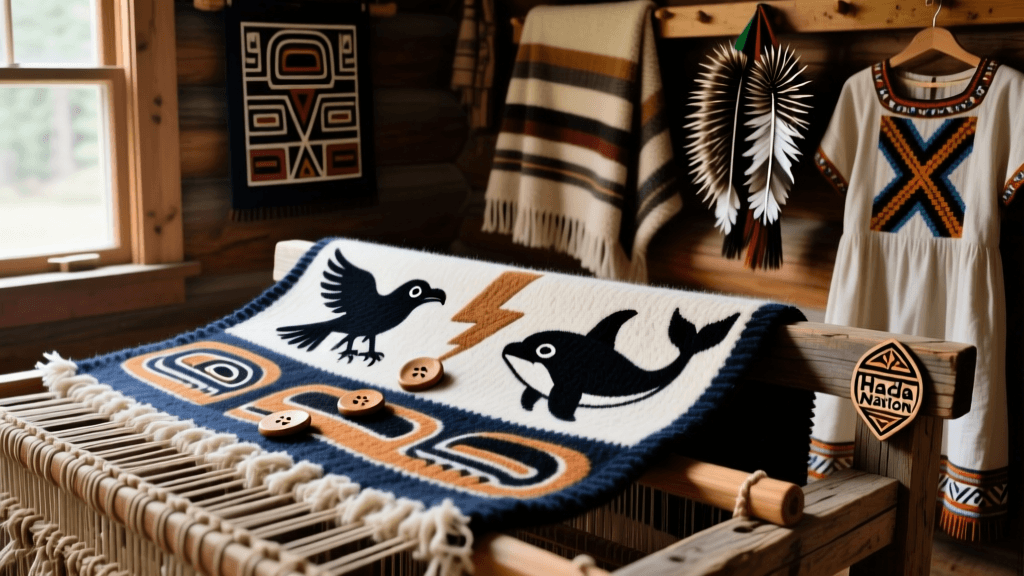
Button blankets, or dance robes, originated in the mid-19th century when Indigenous traders acquired European wool blankets and glass or shell buttons. Today, these robes are central to potlatches and ceremonial dances. In 2026, contemporary artists construct button blankets using high-grade, heavy-weight Melton wool, which provides the necessary drape and durability for vigorous dancing. The defining feature of these blankets is the appliqué family crest—such as the Raven, Eagle, Bear, or Orca—cut from contrasting wool and meticulously outlined with hundreds of buttons.
While traditional dentalium and abalone shells are still highly prized, many artists in 2026 are supplementing local abalone with ethically farmed New Zealand paua shell to protect declining regional mollusk populations. Mother-of-pearl and high-quality Czech glass beads are also frequently used to catch the firelight during indoor ceremonies.
Chilkat and Ravenstail Weaving
Predating the button blanket, Chilkat and Ravenstail weaving are among the most complex textile traditions in the world. Woven on a simple loom using mountain goat wool and yellow cedar bark, these robes feature intricate, curvilinear formline designs. The process is immensely time-consuming; a single master weaver may spend over a year spinning the yarn and weaving a single robe. In the 2026 market, authentic, hand-woven Chilkat robes are exceedingly rare and are typically commissioned directly by tribal councils or wealthy patrons, with prices ranging from $35,000 to well over $60,000, reflecting the thousands of hours of skilled labor involved.
The Great Plains: Hide, Hair, and Intricate Beadwork
In stark contrast to the coastal environment, the Great Plains—spanning the traditional territories of the Lakota, Crow, Cheyenne, and Blackfoot—necessitated a nomadic lifestyle heavily reliant on the buffalo and other large game. Plains dress traditions are characterized by their masterful use of animal hides, porcupine quills, and, later, intricate glass beadwork.
The Brain-Tanning Revival
The foundation of Plains regalia is the hide. While commercial chrome-tanned leathers are available, the most respected and culturally significant garments in 2026 are made from brain-tanned deer, elk, and buffalo hides. Brain-tanning is a labor-intensive, chemical-free process that uses animal brains, wood ash, and physical stretching to create leather that is remarkably soft, breathable, and water-resistant. A massive revival of this traditional ecological knowledge is underway, with younger generations of Lakota and Cheyenne artisans hosting community workshops across the Plains. Due to the intense physical labor required, a fully brain-tanned elk hide can cost between $900 and $1,400 in 2026.
Mastering the Bead: Lazy Stitch vs. Spot Stitch
Plains beadwork replaced earlier porcupine quillwork in the late 19th century and has since become the defining aesthetic of the region. However, techniques vary significantly by tribe:
- The Lazy Stitch (Lane Stitch): Heavily utilized by the Lakota and Cheyenne, this technique involves threading multiple beads onto a single piece of sinew and tacking them down at the edges, creating distinct, ribbed lanes of geometric patterns. It is highly effective for covering large, rigid surfaces like hide parfleches or the bodices of women's dresses.
- The Spot Stitch (Overlay): Favored by the Crow and many Woodland tribes, this method uses two threads: one to string the beads and a second to tack them down in smooth, continuous curves. This allows for the intricate, flowing floral and pictorial designs that Crow beadwork is famous for.
In 2026, artisans rely heavily on size 11, 13, and 15 Czech cut-glass beads (such as those from Preciosa). Recent stabilizations in European glass manufacturing supply chains have ensured a vibrant, consistent palette for contemporary beadworkers, allowing for highly detailed, gradient-heavy designs on moccasins, cradleboards, and powwow regalia.
2026 Regional Regalia Comparison Chart
To help collectors, students, and enthusiasts distinguish between these two major regional styles, the table below outlines the core differences in materials, techniques, and current market dynamics.
| Feature | Pacific Northwest Coast | Great Plains |
|---|---|---|
| Primary Tribes | Tlingit, Haida, Tsimshian, Kwakwaka'wakw | Lakota, Crow, Cheyenne, Blackfoot |
| Core Materials | Melton wool, cedar bark, mountain goat wool, abalone shell | Brain-tanned deer/elk hide, sinew, porcupine quills, glass beads |
| Signature Techniques | Formline appliqué, button sewing, Chilkat weaving | Lazy stitch (lane), spot stitch (overlay), brain-tanning |
| Design Motifs | Crest animals (Raven, Eagle, Orca), ovoids, U-forms | Geometric patterns, stars, florals (Crow), pictorial scenes |
| 2026 Base Pricing (Art Pieces) | $3,000 - $15,000 (Blankets); $35,000+ (Woven Robes) | $800 - $2,500 (Moccasins); $5,000 - $20,000 (Full Regalia Sets) |
| Commission Wait Times | 12 to 36 months (especially for weavers) | 6 to 18 months (dependent on hide tanning and beadwork density) |
Ethical Sourcing and the 2026 Market Landscape
As interest in Indigenous textile arts continues to grow in 2026, ethical sourcing is paramount. The line between cultural appreciation and cultural appropriation is strictly guarded by Indigenous communities and federal law. The Indian Arts and Crafts Board enforces the Indian Arts and Crafts Act, which makes it illegal to offer or display for sale any art or craft product in a manner that falsely suggests it is Indian-produced. When purchasing regalia, beadwork, or woven textiles, buyers must ensure they are purchasing directly from enrolled members of state or federally recognized tribes, or from certified Indian artisans.
Furthermore, the context of museum displays has evolved. Institutions like the Smithsonian National Museum of the American Indian now heavily emphasize the collaboration with living artists and tribal knowledge keepers. If you are a collector or curator looking to acquire pieces in 2026, bypass mass-market 'Native-inspired' retailers entirely. Instead, attend major regional gatherings such as the Crow Fair in Montana or the Sealaska Heritage Institute's Celebration in Alaska, where you can commission directly from the source, ensuring fair compensation and cultural integrity.
Actionable Advice for 2026 Buyers
- Verify Lineage: Always ask for the artist's tribal affiliation. In the Pacific Northwest, it is also crucial to understand that certain crests are the intellectual property of specific clans; an artist cannot simply weave or sew a crest they do not have the hereditary right to display.
- Understand the Timeline: Authentic, hand-crafted regalia is not fast fashion. Be prepared to pay a 50% non-refundable deposit upfront to cover the cost of premium materials like brain-tanned hides or imported Melton wool, and expect wait times of over a year.
- Support Cooperatives: Look for Indigenous-owned galleries and cooperatives that guarantee fair trade practices and provide a platform for emerging artists to sustain their traditional practices.
Conclusion
The dress traditions of the Pacific Northwest Coast and the Great Plains represent two distinct but equally profound expressions of Indigenous identity, resilience, and artistry. In 2026, the continued creation of button blankets and intricate Plains beadwork is a testament to the survival and thriving of Native cultures. By understanding the regional materials, the mastery of the techniques, and the ethical frameworks required to support these artists, we can ensure that these magnificent textile traditions continue to be worn, danced in, and celebrated for generations to come.