Zambian Chitenge Tie Dye And Block Print Traditions
Chitenge as Cultural Anchor in Zambia and Beyond
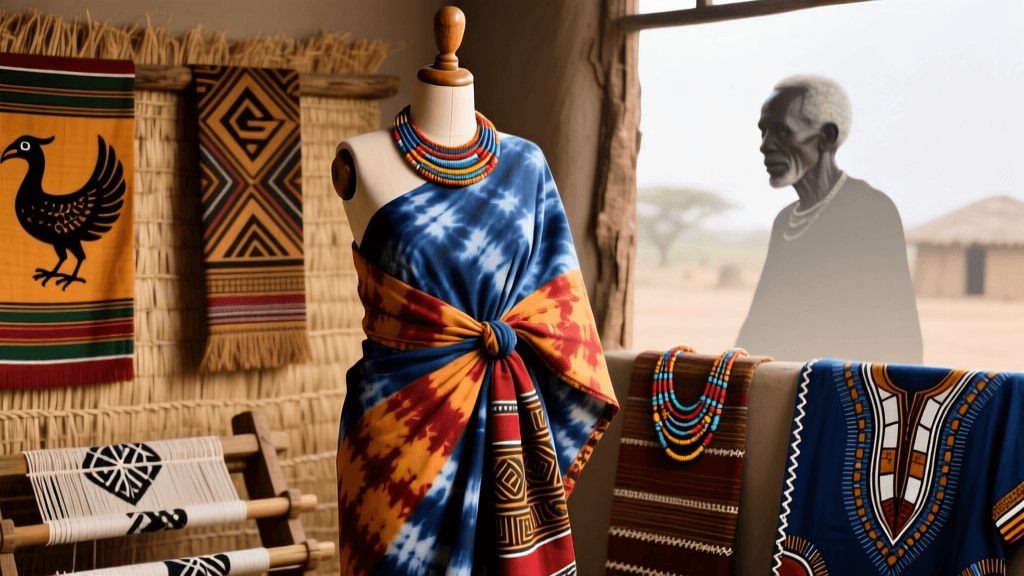
Chitenge—a vibrant, 1.2-meter-wide by 1.8-meter-long cotton fabric—is far more than a garment in Zambia. Worn daily by women across urban Lusaka and rural Eastern Province alike, it functions as a wrap skirt (chitenge), headscarf, baby carrier, or ceremonial shawl. Its standardized dimensions—precisely 1.2 × 1.8 meters—are mandated by the Zambian Bureau of Standards (ZABS) since 2013 to ensure consistency in domestic textile trade. Unlike West African adire or Yoruba indigo-dyed cloth, chitenge is predominantly screen-printed or roller-printed today, yet its roots lie in hand-applied resist-dyeing and block printing techniques inherited from Malawian and Mozambican textile traditions along the Zambezi River corridor.
Tie-Dye Techniques: From Domestic Rituals to Artisan Cooperatives
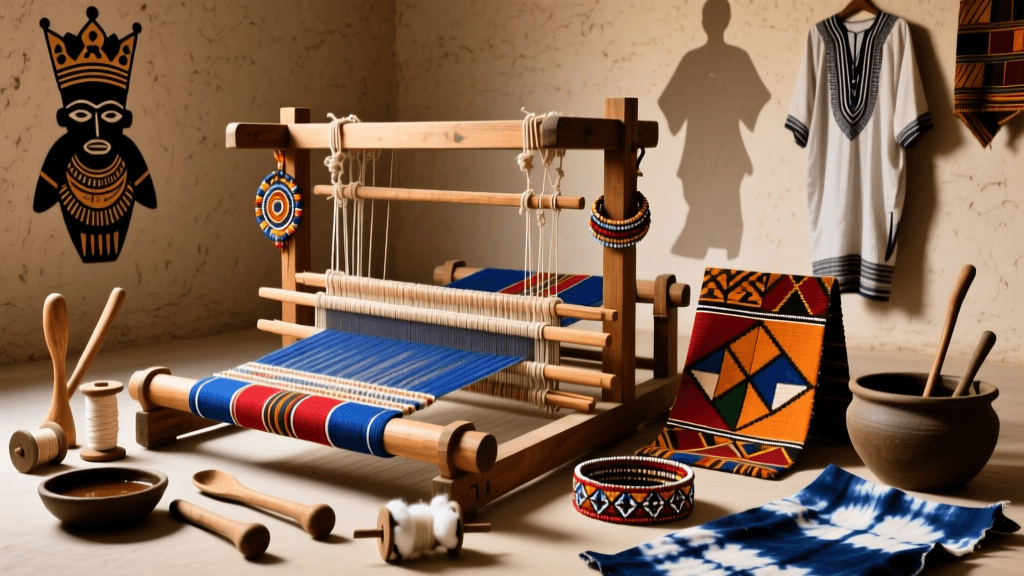
In the Southern Province town of Livingstone, elders teach youth the kanyanga method—Zambian tie-dye using rubber bands, folded cloth, and locally harvested Acacia nilotica bark for tannin-rich mordants. Each fold pattern carries generational knowledge: a spiral bound with raffia signifies unity; parallel accordion folds represent river currents. A 2021 survey by the National Arts Council of Zambia documented that 78% of practicing tie-dyers in Sesheke District use copper sulfate as a fixative, reducing dye runoff by 40% compared to alum-only solutions. This eco-conscious adaptation reflects broader shifts in sustainable practice.
The Role of Natural Dyes
Traditional chitenge dyes derive from indigenous flora: Khaya nyasica bark yields burnt umber (pH-dependent), while crushed Curcuma longa rhizomes produce golden yellows stable up to 60°C. In contrast, synthetic dyes dominate commercial production—accounting for 92% of factory output per the Zambia Development Agency’s 2022 textile sector report.
Resist Methods Beyond Tying
Artisans in Chipata employ wax-resist (similar to Indonesian batik) using beeswax mixed with pine resin heated to 75°C. The wax is applied with carved calabash stamps or thin metal styluses. After dyeing, fabrics are boiled for exactly 12 minutes to remove wax without damaging cotton fibers. This labor-intensive process produces only 8–10 meters per artisan per day.
Block Printing: Carved Wood and Symbolic Grammar
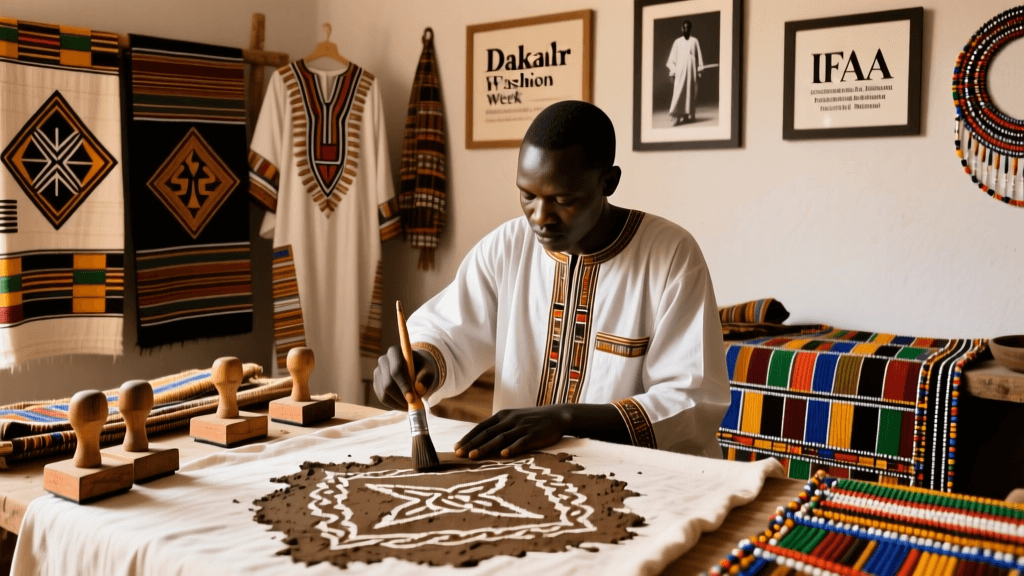
Hand-carved wooden blocks define Zambia’s chitenge identity alongside tie-dye. Blocks are cut from Brachystegia spiciformis (mukwa wood), prized for its density (Janka hardness rating: 1,850 lbf) and fine grain. Each block measures precisely 15 cm × 15 cm, allowing seamless repeat patterns across the full 1.8-meter length. Carvers in Mumbwa District apprentice for 4–6 years before mastering symbolic motifs: the nkondwa (crocodile) denotes leadership and protection; interlocking triangles reference ancestral lineage charts; concentric circles symbolize community continuity.
The National Museum of Zambia in Lusaka houses over 327 historic chitenge blocks, including a 1947 set used by the Barotse Royal Establishment. These blocks feature raised motifs no deeper than 1.2 mm—ensuring even ink transfer without smudging. Curators note that pre-1960 blocks rarely exceed 12 cm in width, reflecting smaller loom widths used for handwoven base cloth.
Institutional Stewardship and Contemporary Innovation
The Choma Museum and Crafts Centre—established in 1974 in Southern Province—operates Zambia’s only accredited chitenge apprenticeship program. Since 2018, it has trained 142 artisans in ISO-certified colorfastness testing, requiring fabrics to retain ≥85% hue intensity after 20 wash cycles at 40°C. Similarly, the University of Zambia’s School of Art and Design launched a textile archive in 2020, digitizing 1,163 chitenge designs collected from 17 provinces.
The Fashion Institute of Zambia (FIZ), headquartered in Ndola, integrates traditional techniques into modern curricula. Its 2023 “Chitenge Reimagined” cohort produced garments using laser-cut resist stencils derived from scanned 19th-century Lozi patterns—reducing manual carving time by 70% while preserving motif integrity. FIZ reports that 63% of graduating designers incorporate at least one heritage technique into their final collections.
Symbolism in Pattern and Palette
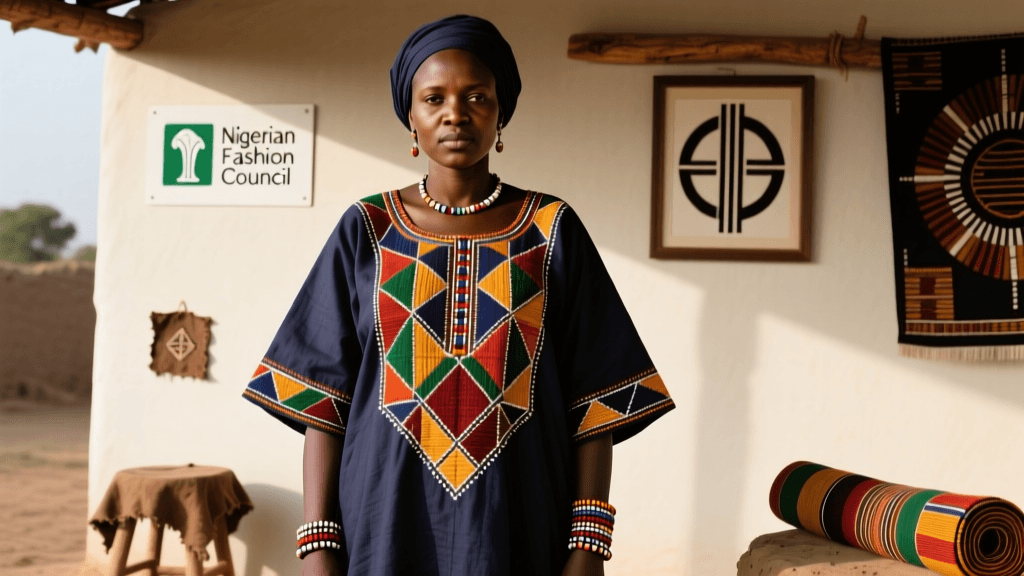
Color carries strict contextual meaning: deep crimson signals mourning during funeral rites among the Tonga people; saffron yellow marks initiation ceremonies for Bemba girls; cobalt blue indicates marital status among the Ngoni. A single chitenge may combine up to five symbolic colors, each occupying defined spatial zones—the top third for spiritual motifs, center for social identity, lower edge for environmental references like rain or maize stalks.
- Chitenge cloth must weigh between 140–160 g/m² to meet ZABS Class A certification
- The standard drying time for naturally dyed chitenge is 48 hours in shaded, ventilated spaces
- Traditional starch paste for block printing contains 22% cassava flour, 68% water, and 10% lime juice
- Master carvers in Mumbwa average 3.2 blocks completed per week
- A single chitenge requires 1.8 liters of dye solution for full immersion
Global Recognition and Ethical Production Frameworks
Zambian chitenge gained UNESCO Intangible Cultural Heritage consideration in 2021 under the “Living Heritage of Southern African Textile Practices” dossier submitted jointly by Zambia, Malawi, and Zimbabwe. The African Fashion Foundation (2022) identified chitenge as one of seven priority textiles for ethical supply chain mapping, citing its potential to generate $4.2 million annually in fair-trade export revenue if certified organic cotton adoption reaches 35% by 2027.
“The chitenge is not static ornament—it is syntax. Every fold, every pigment, every carved line performs language older than national borders.” — Dr. Nkosi Mwale, Senior Curator, National Museum of Zambia, 2021
At the annual Lusaka Fashion Week, designers like Nkosi Banda (founder of Komboni Collective) collaborate with Choma Museum artisans to produce limited editions. Their 2023 “River Code” collection featured tie-dyed chitenge using pH-reactive dyes that shift from indigo to violet when exposed to rain—echoing Zambezi flood cycles. Each piece included QR-coded provenance tags linking buyers to the specific village cooperative and artisan.
Contrast this with industrial production: a single automated screen-printing line in Kitwe processes 1,200 meters of chitenge daily—equivalent to 667 standard pieces—but uses petroleum-based inks banned in the EU under REACH Regulation Annex XVII. This dichotomy underscores the urgency of institutional support. The Zambia Environmental Management Agency (ZEMA) now mandates wastewater treatment for textile mills exceeding 500 liters/day, a regulation enforced since January 2023.
Fieldwork conducted by the Southern African Development Community (SADC) Textile Task Force in 2022 revealed that 61% of rural chitenge producers lack access to pH meters or spectrophotometers—tools critical for consistent color reproduction. In response, the Choma Museum deployed mobile calibration labs to eight districts, enabling real-time dye bath analysis within ±0.3 pH units.
Contemporary reinterpretations extend beyond apparel. Architect Chilufya Sichone incorporated chitenge-inspired ceramic tile patterns—using glazes formulated from local iron oxide deposits—at the newly renovated Lusaka City Market entrance. Each tile measures 20 cm × 20 cm and replicates the geometric precision of Lozi block prints, scaled to architectural proportion.
The Livingstone Craft Centre’s “Dye Garden Project” cultivates over 40 native dye plants on 1.7 hectares, supplying 12 cooperatives. Their 2023 yield included 89 kg of dried Lonchocarpus cyanescens root (yielding navy blue), 212 kg of Sida acuta leaves (olive green), and 67 kg of Khaya senegalensis bark chips (terracotta). This agro-textile model reduces input costs by 55% compared to imported dyes.
| Institution | Location | Key Initiative | Year Launched |
|---|---|---|---|
| Choma Museum and Crafts Centre | Choma, Southern Province | Certified Chitenge Apprenticeship Program | 1974 |
| Fashion Institute of Zambia | Ndola, Copperbelt Province | Textile Archive & Laser Resist Lab | 2020 |
| National Museum of Zambia | Lusaka | Historic Block Collection (327 items) | 1964 |
These institutions anchor chitenge not as relic but as living system—where measurement, symbolism, ecology, and governance converge. When a Tonga grandmother in Monze ties a chitenge around her granddaughter’s shoulders using the three-loop mukwai knot, she transmits mathematics, memory, and material science in a single gesture measured in centimeters, seconds, and centuries.