Chinese Cloud Shoes & Boots: 2026 Traditional Footwear Guide
The Resurgence of Traditional Chinese Footwear in 2026
The landscape of Asian traditional garments has experienced a monumental shift over the past decade, culminating in a massive global appreciation for Hanfu and the Xin Zhongshi (New Chinese Style) movement in 2026. While flowing silk robes, Mamianqun (horse-face skirts), and intricate hairpins often dominate the conversation, the foundation of any authentic traditional ensemble lies in its footwear. Traditional Chinese shoes are not merely functional items; they are masterpieces of textile art, cultural symbolism, and ergonomic evolution. According to the Victoria and Albert Museum's Asian Collections, historical Chinese footwear reflects deep societal structures, regional craftsmanship, and philosophical beliefs regarding humanity's connection to the earth. In 2026, artisans and modern designers have successfully bridged the gap between ancient aesthetics and contemporary comfort, making traditional footwear more accessible and versatile than ever before.
Yunxie: The Elegance of Cloud Shoes
At the forefront of the 2026 Hanfu revival is the Yunxie, or cloud shoe. Characterized by its distinctive upturned toe and elaborate 'cloud head' (Yuntou) embroidery, this style traces its roots back to the Ming and Qing dynasties. The upturned toe was originally designed to prevent the wearer from tripping over long, flowing hemlines, while the cloud motif symbolized auspiciousness, high status, and a spiritual connection to the heavens.
In 2026, modern Yunxie have been reimagined for daily wear. While traditional versions featured flat, multi-layered cotton soles that offered little shock absorption, contemporary iterations from top ateliers in Suzhou and Hangzhou now incorporate hidden memory foam insoles and flexible, anti-slip rubber outers. The upper portions remain true to heritage techniques, utilizing rich Shu brocade and intricate Su embroidery. For modern enthusiasts, pairing a vibrant, embroidered Yunxie with a minimalist, solid-colored Mamianqun creates a striking visual balance, allowing the footwear to serve as the focal point of the outfit.
Xuezi: Traditional Boots for Everyday Versatility
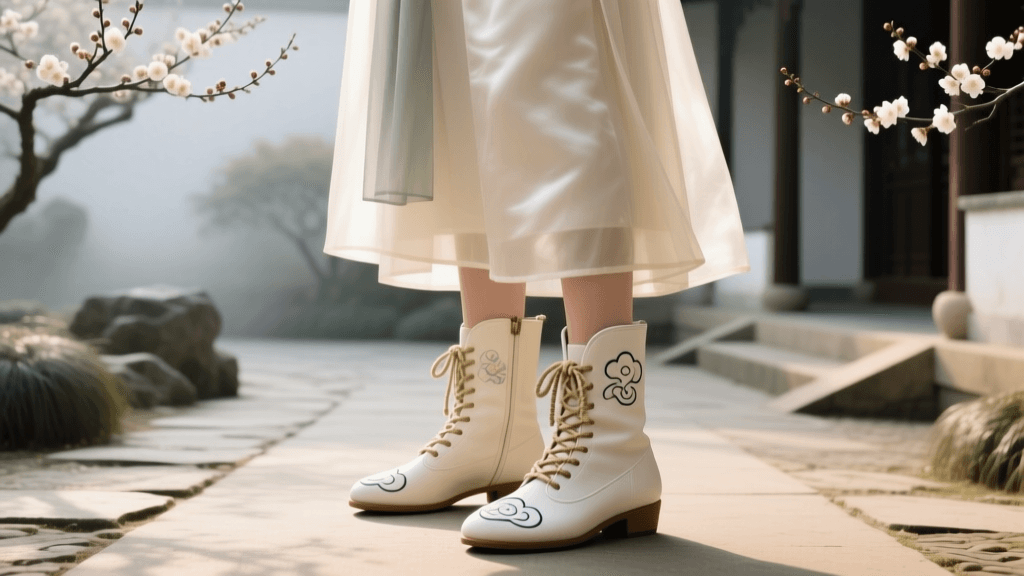
While cloud shoes dominate the spring and summer seasons, Xuezi (traditional cloth boots) are the undisputed kings of autumn and winter wardrobes. Historically worn by scholars, officials, and martial artists, Xuezi feature a higher shaft that protects the ankles and calves. The Metropolitan Museum of Art's Costume Institute highlights how traditional boots were often constructed with thick, quilted layers to provide insulation against harsh northern Chinese winters.
The 2026 market offers several variations of Xuezi tailored for modern lifestyles. The 'Kuai Xue' (fast boots), originally designed for riding and martial arts, have been adapted into sleek, laceless slip-on boots featuring waterproof Tencel-brocade blends. These modern boots often include a hidden 3-to-4-centimeter wedge heel, providing the wearer with improved posture and a contemporary silhouette without sacrificing historical accuracy. Xuezi are exceptionally versatile in 2026, pairing just as beautifully with a traditional round-collar Ming dynasty robe as they do with modern, wide-leg linen trousers and a structured blazer.
Materials and Sustainable Embroidery in 2026
The year 2026 has also brought a sustainable revolution to traditional Chinese shoemaking. Recognizing the environmental impact of conventional silk farming and synthetic dyes, leading footwear artisans have embraced eco-friendly alternatives. Lotus silk, harvested from the stems of lotus plants, and bamboo-derived peace silk are now prominently featured in high-end Yunxie collections. Furthermore, the use of plant-based dyes—such as indigo, madder root, and gardenia—has seen a massive resurgence, driven by consumer demand for non-toxic, historically accurate coloring methods. These natural dyes not only reduce environmental impact but also age beautifully, developing a unique patina that synthetic colors cannot replicate.
2026 Buyer's Guide: Sizing, Styles, and Pricing
Navigating the sizing and pricing of traditional Chinese footwear can be challenging for international buyers. In 2026, most reputable brands have adopted standardized international sizing charts, though understanding the nuances of Asian footwear construction remains crucial. Traditional shoes were historically made on narrow lasts, but modern 2026 releases frequently offer 'E-width' options to accommodate a broader range of foot shapes.
| Footwear Type | Historical Era | Best Paired With | 2026 Modern Adaptation | Average Price (USD) |
|---|---|---|---|---|
| Yunxie (Cloud Shoes) | Ming / Qing | Mamianqun, Ruqun | Memory foam insoles, rubber anti-slip soles | $45 - $120 |
| Xuezi (Cloth Boots) | Song / Ming | Round-collar robes, winter Hanfu | Waterproof brocade, hidden 3cm wedge | $60 - $150 |
| Gongxie (Arched Shoes) | Qing | Qipao, formal ceremonial wear | Ergonomic arch support, silk-satin blends | $80 - $200 |
| Qiaotou Xie (Upturned) | Tang / Song | Tang-style Banbi, summer linen | Breathable hemp uppers, lightweight EVA | $35 - $90 |
When purchasing online, always measure your foot length in centimeters and consult the specific brand's size chart. A standard CN/EU 38 typically corresponds to a US Women's 7.5, but the rigid nature of brocade uppers means that sizing up by a half-size is often recommended for optimal comfort during extended wear.
Care and Maintenance of Silk and Brocade Footwear
Maintaining these intricate pieces requires a departure from modern shoe care routines. Traditional silk and brocade cannot be subjected to harsh chemicals or machine washing. To preserve the structural integrity and vibrancy of your footwear in 2026, follow these expert maintenance steps:
- Dusting and Surface Cleaning: Use a soft, natural horsehair brush to gently remove dust and debris from the embroidered surfaces after every wear. Avoid wire brushes or stiff synthetics that can snag delicate gold and silver threading.
- Spot Treatment: For minor stains, use a microfiber cloth dampened with distilled water and a drop of pH-neutral, plant-based saponin. Dab gently—never rub—to lift the stain without disturbing the fabric's weave.
- Moisture Control: If your shoes become wet, stuff them with unbleached, acid-free tissue paper to absorb moisture and maintain their shape. Never place them near direct heat sources, as this will cause the silk to become brittle and the natural dyes to fade.
- Long-Term Storage: Store your footwear in breathable, unbleached cotton dust bags. Include small sachets of dried wormwood or cedar blocks to naturally repel moths and absorb excess humidity, a practice recognized by UNESCO's Intangible Cultural Heritage initiatives as a vital traditional preservation technique.
Integrating Traditional Footwear into the Xin Zhongshi Movement
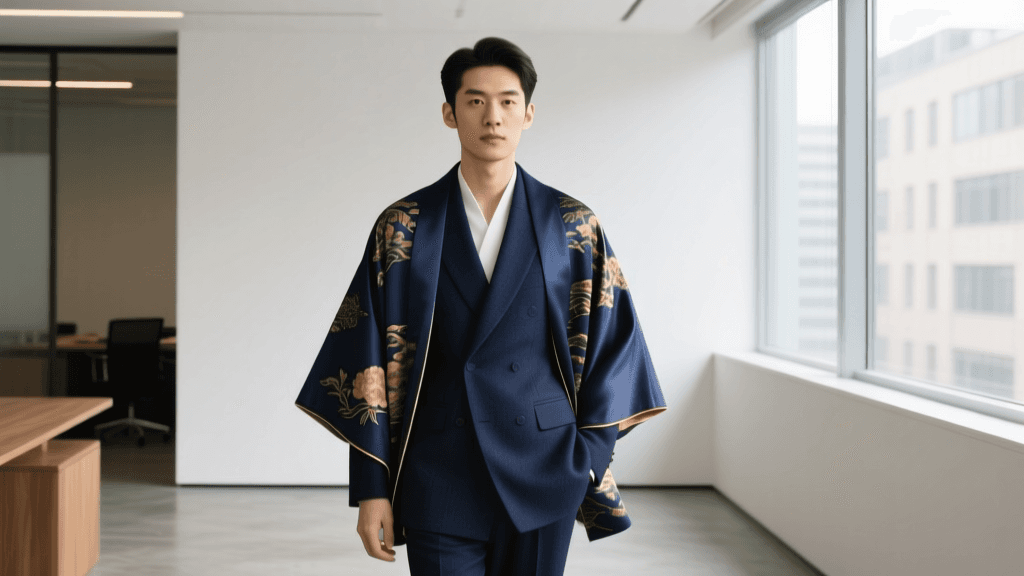
Perhaps the most exciting development in 2026 is the integration of traditional footwear into the Xin Zhongshi (New Chinese Style) movement. This fashion philosophy rejects the idea that traditional garments must be worn as strict historical costumes. Instead, it encourages the blending of heritage pieces with modern, avant-garde tailoring. Runways at Shanghai Fashion Week this year have heavily featured models wearing minimalist, monochromatic Yunxie paired with oversized, deconstructed blazers and wide-leg wool trousers. Similarly, sleek, black Xuezi boots have become a staple in urban streetwear, offering a sophisticated alternative to standard leather Chelsea boots. This cross-pollination ensures that traditional Chinese footwear is not relegated to museum displays or occasional cosplay, but is instead embraced as a dynamic, living component of the global 2026 fashion landscape.
Conclusion
From the sweeping, upturned toes of the Yunxie to the sturdy, insulated shafts of the Xuezi, traditional Chinese footwear represents a perfect synthesis of art, history, and functionality. As the global appreciation for Asian traditions continues to deepen in 2026, investing in a high-quality pair of heritage shoes is not just a sartorial choice—it is a celebration of centuries-old craftsmanship adapted for the modern world. Whether you are attending a formal tea ceremony, exploring a bustling city, or simply seeking to elevate your daily wardrobe, the right pair of traditional shoes will ground your outfit in elegance and cultural resonance.