Kimono Zen Meditation: Mindful Dressing Retreats 2026
The Intersection of Kitsuke and Zen Mindfulness in 2026
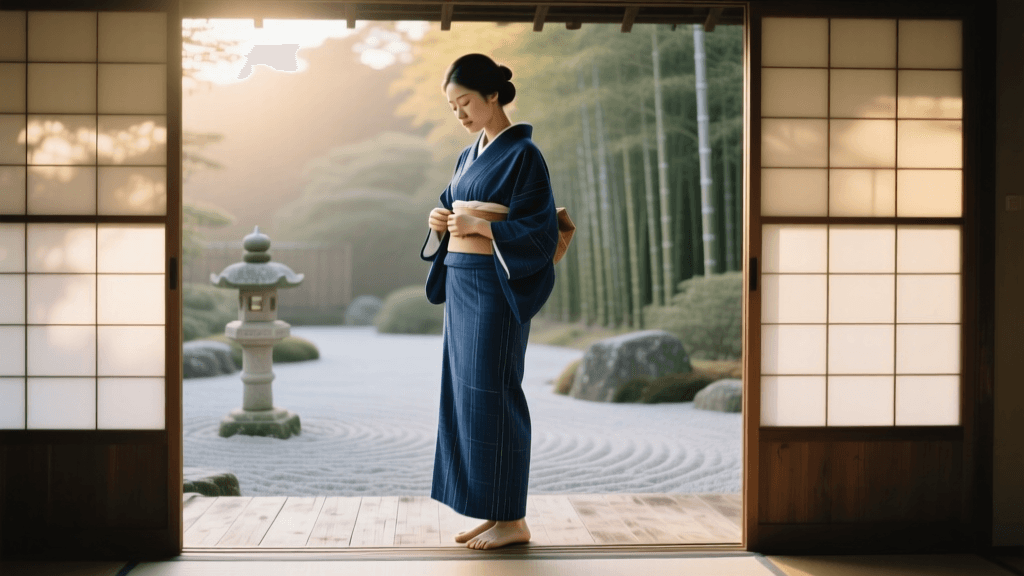
In an era defined by hyper-connectivity and rapid digital consumption, the global wellness landscape of 2026 has experienced a profound paradigm shift. Seekers of tranquility are moving beyond passive digital detoxes and embracing somatic anchoring—practices that unite physical movement with deep spiritual presence. At the forefront of this movement is the intersection of traditional Japanese garment culture and Zen spirituality. Specifically, the art of kitsuke (kimono dressing) is being reimagined not merely as a sartorial obligation, but as a profound form of moving meditation. By treating the act of dressing as a deliberate, mindful ritual, practitioners in 2026 are discovering that the kimono serves as a wearable sanctuary, a physical boundary that protects the mind from external chaos while cultivating internal stillness.
Historically, the physical restrictions of the kimono were viewed as a means to enforce polite, measured behavior. Today, mindfulness experts and Zen teachers recognize these same physical parameters as tools for grounding. The careful alignment of seams, the deliberate tension of the obi (sash), and the rhythmic breathing required to tie the koshi-himo (tying cords) all demand absolute present-moment awareness. As noted by cultural historians at the Victoria and Albert Museum, the structural evolution of the kimono has always dictated the posture and physicality of the wearer, making it an inherently somatic garment. In 2026, this inherent physicality is being harnessed intentionally for mental health and spiritual grounding.
The Philosophy of Mindful Dressing: Shibumi and Ma
To understand kimono dressing as a Zen practice, one must first understand two core Japanese aesthetic and philosophical concepts: shibumi and ma. Shibumi refers to a quiet, austere beauty that reveals itself slowly, without ostentation. In mindful dressing, this translates to choosing garments with subtle textures and muted, natural dyes rather than loud, distracting patterns. The focus shifts from how the garment looks to the observer, to how the garment feels to the wearer.
Ma, often translated as negative space or the pause between things, is equally critical. In Zen meditation, ma is the silence between breaths. In kitsuke, ma is the space between the body and the fabric, the pause between folding the okumi (front panel) and securing it. Mindful dressing in 2026 emphasizes honoring these pauses. Practitioners are taught not to rush through the layers. Instead, they pause after securing the nagajuban (undergarment) to feel the silk settle against the skin, using that physical sensation as an anchor to pull the wandering mind back to the present moment.
Step-by-Step: Kimono Dressing as a Moving Meditation
Integrating Zen principles into kitsuke transforms a routine task into a sacred ritual. Below is the modern mindful approach to dressing, utilized in contemporary wellness retreats.
1. Grounding and Preparation (Junbi)
The practice begins before the garment is even touched. The practitioner sits in seiza (kneeling posture) on a tatami mat, engaging in three minutes of zazen (seated meditation). The focus is on the breath entering and leaving the hara (the physical center of gravity, located just below the navel). This initial grounding ensures that the energy brought to the dressing process is calm and deliberate.
2. Layering Awareness (Nagajuban)
As the nagajuban is slipped on, the practitioner focuses on the sensory experience. The cool touch of the fabric, the sound of the silk rustling, and the alignment of the back seam (se-ita) are all treated as objects of meditation. Aligning the back seam perfectly down the spine serves as a physical metaphor for aligning one's own spiritual center and moral integrity.
3. Wrapping the Kimono and the Left-Over-Right Rule
Wrapping the main kimono requires crossing the left side over the right. This motion requires crossing the arms over the chest, a gesture that naturally encourages a protective, inward-focused posture. Mindful practitioners use this crossing motion to symbolize the closing off of external distractions and the turning inward of the mind. The creation of the o-hashori (the waist fold) requires precise measurement and spatial awareness, forcing the brain to abandon abstract anxieties and focus entirely on geometry and physical space.
4. Securing the Obi (The Anchor)
The obi is the anchor of the kimono, and in mindful dressing, it is the anchor of the breath. Tying the datejime (wide under-sash) and the main obi requires deep, coordinated breathing. Exhaling slowly while pulling the cords tight ensures that the garment is secure without restricting the lungs. This rhythmic breathing mimics the pranayama techniques found in yoga, lowering the heart rate and inducing a state of flow.
The Sensory Experience: Grounding Through Textiles
A crucial element of the 2026 mindful dressing movement is the emphasis on tactile grounding. Modern wellness science heavily supports the use of deep pressure therapy and tactile stimulation to reduce cortisol levels. The traditional kimono, with its multiple layers, heavy silk weaves, and firm binding, acts as a natural, full-body deep pressure garment. The sensation of the eri (collar) resting gently against the nape of the neck stimulates the vagus nerve, promoting parasympathetic nervous system activation. Furthermore, the act of slipping on tabi (split-toe socks) forces a heightened awareness of the feet and toes, grounding the practitioner's energy downward and improving physical balance during subsequent walking meditations (kinhin).
Top Mindful Kimono Retreats for 2026
As the demand for somatic wellness experiences grows, several premier retreats have emerged that blend traditional kitsuke instruction with certified Zen meditation guidance. Below is a curated comparison of the most sought-after mindful dressing retreats available in 2026.
| Retreat Name | Location | Core Focus | 2026 Cost (USD) |
|---|---|---|---|
| Shunkoin Somatic Kitsuke | Kyoto, Japan | Zen temple immersion, silent dressing, Zazen | $850 (3 Days) |
| Kamakura Coastal Mindful Ma | Kanagawa, Japan | Ocean-side meditation, lightweight Yukata focus | $600 (2 Days) |
| Digital Detox & Silk | Nara, Japan | Historical textile weaving, mindful layering | $1,200 (5 Days) |
| Virtual Zen Kitsuke Hybrid | Online / Global | Live-streamed guided mindful dressing sessions | $150 (4 Weeks) |
Retreats like those hosted at Shunkoin Temple in Kyoto are particularly notable in 2026. They offer an environment where the boundaries between religious practice and cultural preservation dissolve. Participants learn that the meticulous care required to fold a kimono after wearing it is just as spiritually significant as the act of putting it on, reinforcing the Zen principle that every action, no matter how mundane, is an opportunity for enlightenment.
Recommended Garments for Zen Practice
While the formal silk kimono is used for deep, stationary meditation and ritualistic dressing, it is not always practical for active Zen work or extended sitting. For practitioners seeking to integrate mindful dress into daily Zen routines, two alternative garments are highly recommended in 2026:
- The Samue: Originally designed as work clothes for Zen monks, the samue consists of a loose-fitting jacket and matching pants, typically made from breathable cotton or hemp. It allows for unrestricted movement during kinhin (walking meditation) and temple cleaning (soji), while still maintaining a traditional, mindful silhouette. Dressing in a samue is simpler but still requires the intentional crossing of the left side over the right, preserving the core mindful gesture.
- The Jinbei: Ideal for warmer months and casual evening meditation, the jinbei is a lightweight, two-piece garment. While less formal, modern mindfulness instructors advocate using the jinbei to practice the 'micro-pauses' of mindful dressing, focusing on the simple tying of the side cords as a moment to reset the nervous system after a long day of work.
Integrating Mindful Kitsuke into Daily Life
You do not need to travel to Japan or possess a wardrobe of antique silks to benefit from this practice. The core teachings of the San Francisco Zen Center emphasize that everyday activities are the true testing ground for mindfulness. In 2026, practitioners are encouraged to adapt the principles of kitsuke to their modern wardrobes. This means taking an extra thirty seconds in the morning to mindfully button a shirt, feeling the texture of the fabric, aligning the seams, and taking a deep, centering breath before stepping out the door. By treating the act of dressing not as a chore to be rushed through, but as the first deliberate meditation of the day, we reclaim our time, our bodies, and our peace of mind.
Conclusion
The convergence of kimono culture and Zen spirituality represents one of the most profound wellness developments of 2026. By elevating kitsuke from a mere sartorial tradition to a rigorous moving meditation, practitioners are finding a powerful antidote to the disembodied nature of modern life. The kimono, with its demanding structure and rich sensory profile, acts as a teacher, demanding patience, precision, and presence. Whether you are participating in a silent retreat in Kyoto or simply taking a mindful moment to tie your sash at home, the art of mindful dressing offers a wearable path to inner stillness.