Top Chinese Natural Dye Plants for Eco-Friendly Hanfu in 2026
The Renaissance of Cao Mu Ran in 2026
As the global fashion industry faces increasing scrutiny over its environmental footprint, the traditional Chinese art of Cao Mu Ran (grass and tree dyeing) is experiencing a massive renaissance. In 2026, the demand for botanically dyed Hanfu and Qipao garments has surged, driven by eco-conscious consumers and a renewed appreciation for intangible cultural heritage. Synthetic dyes, which account for massive water pollution and microplastic shedding, are being rapidly replaced by artisanal studios returning to ancient, plant-based recipes. According to Fashion Revolution, the push for transparency and sustainable supply chains has made natural dyes not just a niche historical curiosity, but a vital component of the modern ethical wardrobe.
For textile artists, Hanfu enthusiasts, and sustainable fashion designers, understanding the specific botanical sources native to or historically cultivated in China is essential. This guide explores the top five Chinese natural dye plants, their chemical properties, and how to utilize them for eco-friendly textile dyeing in 2026.
Top 5 Chinese Natural Dye Plants for Sustainable Textiles
1. Liao Lan (Polygonum tinctorium / Chinese Indigo)
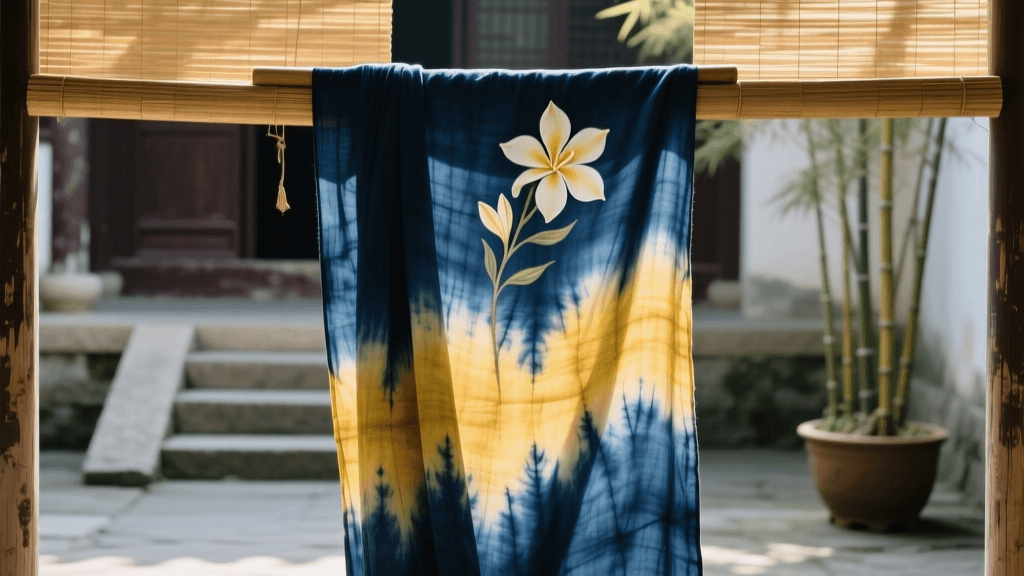
While Indigofera tinctoria is famous globally, traditional Chinese blue dyeing heavily relied on Polygonum tinctorium, known as Liao Lan or Japanese knotweed indigo. The leaves contain indican, which hydrolyzes and oxidizes to form indigotin. In 2026, organic Liao Lan fermentation vats are a staple in high-end Hanfu studios. Unlike synthetic indigo, which requires toxic sodium dithionite for reduction, Liao Lan vats are traditionally reduced using rice wine, wheat bran, and wood ash lye, creating a completely biodegradable and non-toxic dye bath that yields profound, living blues that fade beautifully over time.
2. Qian Cao (Rubia cordifolia / Chinese Madder)
Qian Cao is the premier source of red in traditional Chinese dyeing. The roots contain alizarin and purpurin, anthraquinone compounds that bind exceptionally well to protein fibers like silk and wool. To achieve the deep, auspicious crimson hues required for traditional wedding Hanfu or Ming dynasty-style jackets, artisans in 2026 are using eco-friendly mordants like symplocos (a naturally aluminum-accumulating plant) rather than mined synthetic alum. Qian Cao requires a slow, temperature-controlled extraction process—never boiling, as high heat shifts the color from vibrant red to muddy brown.
3. Zhi Zi (Gardenia jasminoides)
Zhi Zi, or gardenia fruit, is prized for its brilliant, sunlit yellow. The primary coloring agent is crocin, a water-soluble carotenoid. What makes Zhi Zi incredibly appealing for modern eco-dyers is that it is a substantive dye, meaning it requires no mordant to bind to silk or ramie. In 2026, gardenia yellow is widely used for dyeing the inner linings of Qipaos and the delicate sashes of Song dynasty-style Hanfu. However, its lightfastness is moderate, so garments dyed with Zhi Zi are best stored away from direct sunlight when not in use.
4. Su Mu (Caesalpinia sappan / Sappanwood)
Su Mu yields a stunning spectrum of pinks, purples, and deep reds depending on the pH of the dye bath and the mordant used. The active compound, brazilin, oxidizes into brazilein upon exposure to air. By adjusting the alkalinity with wood ash water or the acidity with plum vinegar, 2026 dyers can manipulate Su Mu to create custom shades for gradient-dyed (Jian Se) Hanfu skirts. It is highly valued for its antibacterial properties, making it a popular choice for dyeing undergarments and summer linens.
5. Wu Bei Zi (Chinese Gallnut)
Wu Bei Zi is not a plant itself, but an insect gall formed on the Chinese sumac tree (Rhus chinensis). It is incredibly rich in tannins. When used alone, it yields a pale, warm beige. However, when combined with an iron modifier (traditionally achieved using rusty iron nails soaked in rice vinegar), it produces deep, rich greys and profound blacks. This iron-tannin complex is the historical secret behind the dignified black and grey scholar robes of the Tang and Song dynasties, offering a highly colorfast alternative to toxic synthetic black dyes.
2026 Sourcing Guide and Pricing
Sourcing authentic, ethically harvested Chinese dye plants has become significantly easier in 2026 due to the rise of specialized agricultural cooperatives in Yunnan and Guizhou provinces that export directly to global artisans. When purchasing, always look for shade-dried, pesticide-free botanicals.
- Liao Lan (Indigo Paste): A 1kg jar of organic, pre-reduced Liao Lan paste currently retails for approximately $65 to $85 USD from specialty suppliers.
- Qian Cao (Madder Root): Shade-dried, chopped roots cost around $40 USD per 500g. Ensure the roots are at least two years old for maximum alizarin content.
- Zhi Zi (Gardenia Fruit): Dried whole fruits are highly affordable, averaging $15 USD per 250g, as they are also a common ingredient in traditional Chinese medicine.
Step-by-Step Eco-Friendly Dyeing Process for Silk Hanfu
Dyeing a silk Hanfu garment requires precision and respect for the delicate protein fibers. Here is a standard eco-friendly workflow used by modern studios:
- Scouring: Wash the raw silk in warm water (40°C) with a pH-neutral, plant-based soap to remove sericin and manufacturing oils. Do not use harsh alkaline detergents.
- Mordanting (If Required): For Qian Cao or Su Mu, mordant the silk using a 10% Weight of Fabric (WOF) solution of symplocos leaf extract. Simmer gently at 60°C for one hour, then let cool in the bath.
- Extraction: Simmer the dye plant material in distilled water. Strain the liquid through a fine muslin cloth to prevent plant debris from spotting the fabric.
- Dyeing: Submerge the damp, mordanted silk into the dye bath. Maintain a low temperature (50-60°C) for 45 minutes, gently agitating to ensure an even take-up of color.
- Oxidation and Washing: Remove the fabric and allow it to oxidize in the air. Rinse in cool water with a splash of white vinegar to set the color and restore the silk's natural pH balance.
Comparison Chart: Colorfastness and Botanical Properties
| Plant Name | Color Yielded | Mordant Required? | Lightfastness | Washfastness |
|---|---|---|---|---|
| Liao Lan (Indigo) | Deep Blue | No (Vat Dye) | Excellent | Excellent |
| Qian Cao (Madder) | Crimson Red | Yes (Alum/Symplocos) | Very Good | Good |
| Zhi Zi (Gardenia) | Bright Yellow | No (Substantive) | Poor to Fair | Fair |
| Su Mu (Sappanwood) | Pink / Purple | Yes (Alum/Iron) | Fair | Good |
| Wu Bei Zi (Gallnut) | Grey / Black | Yes (Iron Modifier) | Excellent | Excellent |
Environmental Impact and Sustainability Metrics
The shift toward natural dyes is not merely an aesthetic choice; it is a critical environmental intervention. The UN Environment Programme highlights through its Alliance for Sustainable Fashion that the textile industry is responsible for nearly 20% of global wastewater, largely due to synthetic dyeing and finishing processes. By utilizing plants like Liao Lan and Qian Cao, artisans eliminate the discharge of heavy metals, azo compounds, and formaldehyde into local waterways.
Furthermore, the spent botanical matter from the dye baths is 100% compostable. In 2026, many zero-waste Hanfu studios are partnering with local community gardens to compost their exhausted madder roots and gallnuts, returning valuable organic carbon and trace minerals to the soil. This closed-loop system stands in stark contrast to the linear, polluting model of fast fashion.
Conclusion
The revival of Chinese natural dye plants represents a beautiful synthesis of ancient wisdom and modern ecological responsibility. Whether you are crafting a flowing Wei-Jin style robe dyed in the deep blues of Liao Lan, or a delicate Song-style jacket tinted with the bright yellows of Zhi Zi, botanical dyeing connects the wearer to the earth and to centuries of cultural heritage. As we move through 2026, embracing these eco-friendly methods ensures that the vibrant traditions of Asian textile arts will continue to flourish sustainably for generations to come.