Kimono Collection Preservation: 2026 Storage Guide
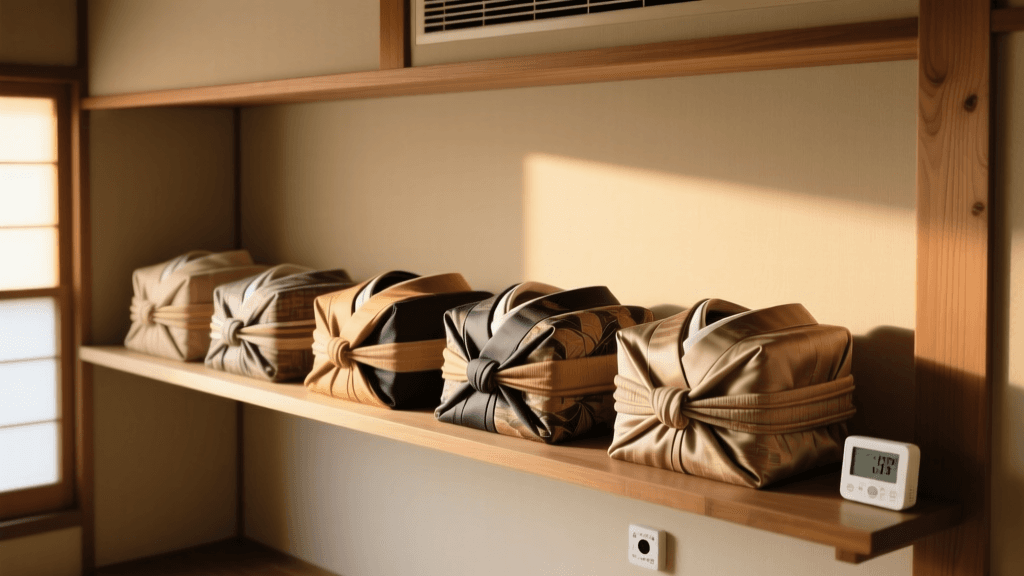
The Art and Science of Kimono Collection Management in 2026
As we navigate the global collector's market in 2026, the valuation of pristine Taisho-era (1912–1926) and early Showa-era silk kimono has surged, driven by a renewed international appreciation for Japanese textile heritage. However, acquiring these masterpieces is only the first step; preserving them requires a meticulous synthesis of traditional Japanese wisdom and modern conservation science. Silk is a delicate protein fiber, highly susceptible to environmental fluctuations, light damage, and acidic degradation. For serious collectors and museum curators alike, mastering kimono storage preservation is paramount to maintaining both the financial and cultural value of these garments.
This comprehensive guide outlines the definitive 2026 protocols for kimono collection management, bridging centuries-old folding techniques with cutting-edge climate monitoring technology.
Understanding Silk Fibroin Degradation
To preserve a kimono, one must first understand its material composition. Traditional Japanese kimono are predominantly crafted from silk, a natural protein fiber composed of fibroin and sericin. Unlike cellulose-based fibers such as cotton or linen, silk is exceptionally vulnerable to alkaline environments, prolonged exposure to ultraviolet (UV) light, and high humidity, which can lead to hydrolytic degradation and mold proliferation.
According to the Victoria and Albert Museum's textile conservation guidelines, silk garments must never be stored in direct contact with acidic materials like standard wood pulp paper or cardboard, nor in alkaline-buffered archival boxes designed for cotton textiles. The micro-environment surrounding the silk must remain chemically neutral and physically stable to prevent the fibers from becoming brittle and shattering along fold lines.
The Traditional Tatoushi Wrapping Method
In Japan, the art of wrapping and storing kimono is known as tatou. The garment is meticulously folded and then wrapped in a specialized paper called tatoushi. In 2026, authentic tatoushi remains the gold standard for direct-contact silk storage, provided it is manufactured to strict archival specifications.
Unbuffered vs. Buffered Archival Paper
A critical mistake many novice collectors make is purchasing 'acid-free' buffered paper. Buffered paper contains an alkaline reserve (usually calcium carbonate) to neutralize environmental acids. While this is excellent for cotton and paper documents, alkaline substances actively degrade protein fibers. You must exclusively source unbuffered, neutral-pH (7.0) wash or tatoushi paper for silk kimono.
Folding Techniques: Hon-datami and Sode-datami
Before wrapping, the kimono must be folded correctly to distribute stress evenly across the seams and minimize permanent creasing.
- Hon-datami (Standard Fold): The most common method, utilized for everyday kimono and those with all-over patterns. The garment is folded along its natural seam lines, resulting in a compact rectangle. Tissue or unbuffered paper rolls should be placed inside the folds to prevent sharp creases.
- Sode-datami (Sleeve Fold): Reserved for heavily embroidered pieces, wedding kimono (uchikake), or garments with continuous motifs spanning the sleeves and body. This method avoids folding directly over delicate metallic threads or raised embroidery, preventing the metallic leaf from cracking or the embroidery from crushing.
Archival Storage Materials Comparison (2026 Market Data)
Selecting the right materials for your collection is an investment in its longevity. Below is a comparison of the primary storage materials utilized by conservation professionals in 2026.
| Material | pH Level | Breathability | Best Application | 2026 Est. Cost |
|---|---|---|---|---|
| Traditional Tatoushi (Unbuffered Washi) | 7.0 (Neutral) | High | Direct Silk Contact & Wrapping | $18 - $25 / sheet |
| Archival Polyethylene Bags | N/A (Inert) | None | Outer Dust & Moisture Barrier | $6 - $10 / bag |
| Washed Cotton Muslin | 6.5 - 7.5 | High | Padding Rolls & Outer Wraps | $15 / yard |
| Buffered Acid-Free Tissue | 8.5 (Alkaline) | High | AVOID FOR SILK (Cotton only) | $12 / ream |
Climate Control and the Modern Tansu
Historically, kimono were stored in tansu (chests of drawers) crafted from kiri (Paulownia tomentosa) wood. Paulownia is uniquely suited for textile preservation; it is lightweight, naturally resistant to pests, and possesses remarkable hygroscopic properties, meaning it absorbs excess ambient moisture and releases it when the air becomes too dry.
In 2026, sustainably harvested Paulownia tansu remain highly sought after. However, relying solely on the wood is insufficient in regions with extreme seasonal humidity shifts. Modern collection management requires the integration of smart environmental monitoring.
Target Micro-Climate Parameters
The Smithsonian Museum Conservation Institute recommends strict environmental controls for protein-based textiles. For your kimono collection, maintain the following parameters:
- Relative Humidity (RH): 45% to 55%. Fluctuations beyond this range cause silk fibers to expand and contract, leading to structural fatigue.
- Temperature: 60°F to 68°F (15°C to 20°C). Lower temperatures slow the rate of chemical degradation.
- Light Exposure: 0 Lux during storage. Even low levels of ambient LED or UV light will cause irreversible photodegradation of natural silk dyes.
Utilize 2026-era wireless hygrothermographs, such as the latest Govee or SensorPush models, placed discreetly inside the drawers of your tansu. These devices provide real-time smartphone alerts if the micro-climate deviates from your preset safety thresholds, allowing you to intervene before mold or desiccation occurs.
Pest Prevention Without Chemical Damage
The webbing clothes moth (Tineola bisselliella) and the carpet beetle are the primary biological threats to silk and wool textiles. Historically, collectors relied on naphthalene or paradichlorobenzene mothballs. In 2026, these volatile organic compounds (VOCs) are strictly avoided in professional conservation, as their off-gassing can react with silk dyes and metallic threads, causing discoloration and chemical burns.
Proper textile preservation is not merely about halting time; it is about managing the micro-environment to ensure that the physical and cultural integrity of the garment survives for future generations without introducing harmful synthetic chemicals.
Integrated Pest Management (IPM) for Kimono
- Pheromone Traps: Deploy non-toxic sticky traps baited with species-specific pheromones near the storage area to monitor and intercept male moths before they can mate.
- Neem Oil Application: Apply cold-pressed neem oil to the exterior joints and baseboards of the storage room (never on the tansu or the garments) as a natural insect repellent.
- Freezing Protocol: If a garment is suspected of harboring pest eggs, seal it in a polyethylene bag and freeze it at -20°C (-4°F) for 72 hours. Thaw slowly at room temperature before opening the bag to prevent condensation on the silk.
The Bi-Annual Mushiboshi (Airing Out) Ritual
Even in a perfectly controlled environment, kimono require periodic inspection and airing. The traditional Japanese practice of mushiboshi (literally 'insect airing') is a vital component of collection management. This involves removing the garments from their drawers, unfolding them, and allowing them to breathe in a dry, shaded environment.
Structuring Your 2026 Mushiboshi Schedule
The optimal time for mushiboshi is late autumn (typically late October to mid-November in the Northern Hemisphere), when the air is crisp, dry, and free from the high humidity of summer and the damp chill of winter.
- Preparation: Select a clean, dry, and shaded indoor room. Ensure no direct sunlight can enter, as UV rays will fade the dyes instantly.
- Unfolding: Carefully remove the kimono from the tatoushi paper. Unfold them completely and drape them over padded, archival-quality hanging racks or lay them flat on clean cotton sheets.
- Inspection: Using a bright, cool LED inspection light, examine the seams, collars, and hemlines for early signs of foxing (brown mold spots), dye transfer, or pest activity.
- Airing: Allow the garments to air out for 2 to 4 hours. This relieves the internal tension of the folds and allows any trapped moisture to dissipate.
- Refolding: Refold the kimono using the hon-datami or sode-datami method, shifting the fold lines slightly (by about half an inch) from their previous positions to prevent permanent fiber breakage along the same crease. Wrap in fresh or inspected tatoushi paper and return to the tansu.
Conclusion: Stewardship of a Cultural Legacy
Preserving a kimono collection in 2026 requires a commitment to both the artistry of the past and the conservation science of the present. By utilizing unbuffered tatoushi paper, maintaining strict climate controls within Paulownia tansu, and adhering to the disciplined ritual of mushiboshi, collectors act as stewards of Japanese cultural heritage. For further reading on advanced textile conservation techniques, consult the Canadian Conservation Institute's comprehensive notes on caring for textiles. Through diligent care, these magnificent silk garments will continue to tell their vibrant stories for centuries to come.