Japanese Traditional Garments Guide 2026: Kimono, Hakama & More
The Renaissance of Japanese Traditional Wear in 2026
The global fashion landscape in 2026 has seen a massive pivot toward sustainability, artisanal craftsmanship, and deep cultural appreciation. At the forefront of this movement is the enduring elegance of Japanese traditional garments. Far from being relegated to museums or strictly ceremonial use, pieces like the kimono, yukata, hakama, and haori are experiencing a vibrant renaissance. Modern consumers and stylists are increasingly drawn to the zero-waste, rectangular construction methods of Japanese tailoring, which stand in stark contrast to the wasteful cut-and-sew practices of fast fashion. According to the Victoria and Albert Museum's extensive Kimono archive, the structural ingenuity of these garments allows them to be endlessly resized, re-dyed, and repurposed across generations, making them the ultimate sustainable wardrobe investment.
Whether you are a collector seeking vintage silk, a fashion enthusiast integrating a haori into contemporary streetwear, or a student of cultural heritage, understanding the nuances of Japanese garment types is essential. This comprehensive 2026 guide will walk you through the core garment types, the anatomy of a full ensemble, precise sizing metrics, and actionable sourcing strategies for the modern buyer.
Decoding the Core Garment Types
1. Kimono: The Formal Foundation
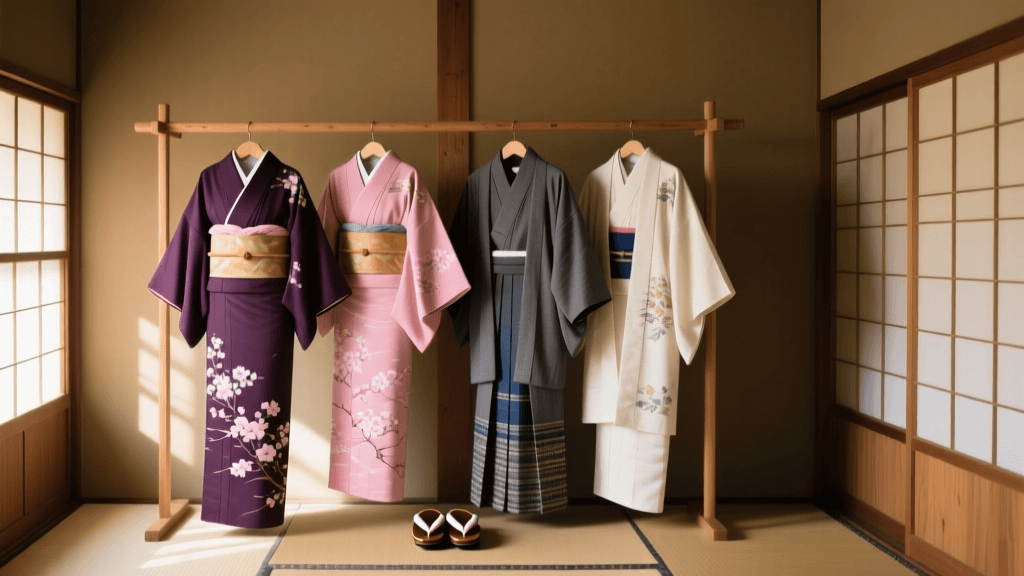
The word 'kimono' literally translates to 'thing to wear,' but in 2026, it represents a highly structured system of aesthetics, formality, and seasonal awareness. The Metropolitan Museum of Art's historical analysis of the Kimono highlights how the T-shaped, straight-lined robe evolved from the kosode of the Edo period into the complex status symbol it is today. Key variations include:
- Furisode: The most formal kimono for unmarried women, characterized by long, swinging sleeves (up to 114cm in length) and lavish, all-over patterns.
- Homongi: Formal visiting wear for married or unmarried women, featuring elegant 'eba' patterns that flow seamlessly across the seams when the garment is laid flat.
- Komon: Casual, everyday kimono featuring small, repeating patterns suitable for town wear, dining, or casual gatherings.
- Tsumugi: Woven from raw silk or cotton, these have a rustic, textured feel. While highly valued for their artisanal craftsmanship, they are considered casual or semi-formal wear.
2. Yukata: The Breathable Summer Essential
Originally utilized as a hemp bathing robe by the nobility, the yukata is now the quintessential summer garment. Made primarily from lightweight cotton or modern 2026 linen-blends, it is unlined and worn directly over undergarments. Yukata are the standard attire for summer matsuri (festivals) and fireworks displays. In recent years, contemporary designers have introduced bold, graphic prints and gender-neutral cuts, making the yukata highly accessible for international buyers and beginners in Japanese dress.
3. Hakama: Pleated Elegance and Utility
The hakama is a fascinating garment that bridges the gap between formal wear and utilitarian workwear. Resembling wide, pleated trousers or a divided skirt, it is worn over a kimono. There are two main types: the umanori (divided legs, resembling trousers) and the andon-bakama (undivided, resembling a skirt). Traditionally worn by samurai, martial artists, and Shinto priests, the hakama is now standard graduation attire for Japanese university students. In 2026, the andon-bakama has also been adopted by avant-garde streetwear enthusiasts for its dramatic, flowing silhouette.
4. Haori: The Versatile Outer Layer
The haori is a traditional Japanese jacket worn open over a kimono. It features a straight, boxy cut and is often adorned with subtle family crests (kamon) or hidden, lavish linings. Because it does not require the complex wrapping and tying of a full kimono, the haori has become the most popular entry-point for global fashion consumers. In 2026, styling a vintage silk haori over a plain t-shirt and tailored trousers is a widely accepted and celebrated fusion look.
The Anatomy of the Full Ensemble
Wearing a kimono is not just about the main robe; it requires a specific ecosystem of accessories to achieve the correct silhouette and formality level.
- Nagajuban: The under-kimono, usually made of silk or breathable synthetic blends, which protects the outer garment from sweat and oils while providing a visible collar line.
- Obi: The wide sash that secures the kimono. Formal obi (like the maru or fukuro) are heavily brocaded and stiff, while casual obi (like the hanhaba) are soft and easily tied into simple bows.
- Obiage and Obijime: The obiage is a silk scarf-like cloth that tucks into the top of the obi, while the obijime is a decorative cord tied around the center. In 2026, magnetic obijime clasps have become incredibly popular for their ease of use.
- Tabi and Zori: Tabi are split-toe socks, traditionally white for formal wear. Zori are flat, thonged sandals made of vinyl, leather, or brocade, worn with the tabi.
Mastering Measurements: The Ohashori System
Unlike Western tailoring, which cuts fabric to fit the body's exact contours, the kimono relies on a rectangular construction method. The garment is not hemmed to your exact height; instead, it is folded at the waist to create a tuck called the ohashori. This fold is not just a stylistic choice; it is a structural necessity that allows the garment to adjust to different body types and provides a pocket-like space for carrying small items.
When shopping for authentic pieces in 2026, you must know two critical measurements:
- Mitake (Body Height): The length of the kimono from the back of the neck to the hem. Ideally, the mitake should be roughly equal to your height, allowing for a 10-15cm ohashori fold.
- Yuki (Arm Span): Measured from the center of the back of the neck, over the shoulder, and down to the wrist. A proper yuki measurement ensures the sleeve falls elegantly over the hand without restricting movement.
2026 Sourcing Guide: Where and How to Buy
Building a wardrobe of Japanese traditional garments requires knowing where to look. While fast-fashion retailers offer cheap, polyester imitations, serious collectors and stylists in 2026 are turning to specialized districts and authenticated digital archives. The Kyoto National Museum frequently highlights the importance of preserving regional weaving techniques, such as Nishijin-ori from Kyoto and Oshima-tsumugi from Amami Oshima, which are best sourced directly from certified cooperatives or reputable vintage curators.
2026 Market Pricing for Authentic Japanese Garments
| Garment Type | Material | Condition / Era | Estimated 2026 Price (USD) |
|---|---|---|---|
| Furisode (Formal) | Heavy Silk Crepe | New / Artisan Made | $1,800 - $4,500 |
| Homongi (Semi-Formal) | Silk Rinzu | Excellent Vintage (1980s-1990s) | $350 - $850 |
| Komon (Casual) | Silk or Washable Blend | Good Vintage / Recycled | $80 - $200 |
| Yukata (Summer) | Cotton / Linen Blend | New / Contemporary Brand | $60 - $150 |
| Hakama (Pleated) | Polyester / Wool Blend | New / Martial Arts Grade | $90 - $220 |
| Haori (Jacket) | Silk / Silk Blends | Vintage / Unworn Deadstock | $120 - $300 |
Modern Care and Styling for the Contemporary Wardrobe
One of the biggest barriers to wearing traditional Japanese garments has historically been maintenance. Traditional silk kimono require specialized arai-hari (a process where the garment is completely unsewn, washed, stretched on bamboo frames, and re-sewn). However, 2026 has brought remarkable advancements in textile care. Many modern artisans are treating silk with hydrophobic nano-coatings that resist water and oil stains, allowing for gentle spot-cleaning at home.
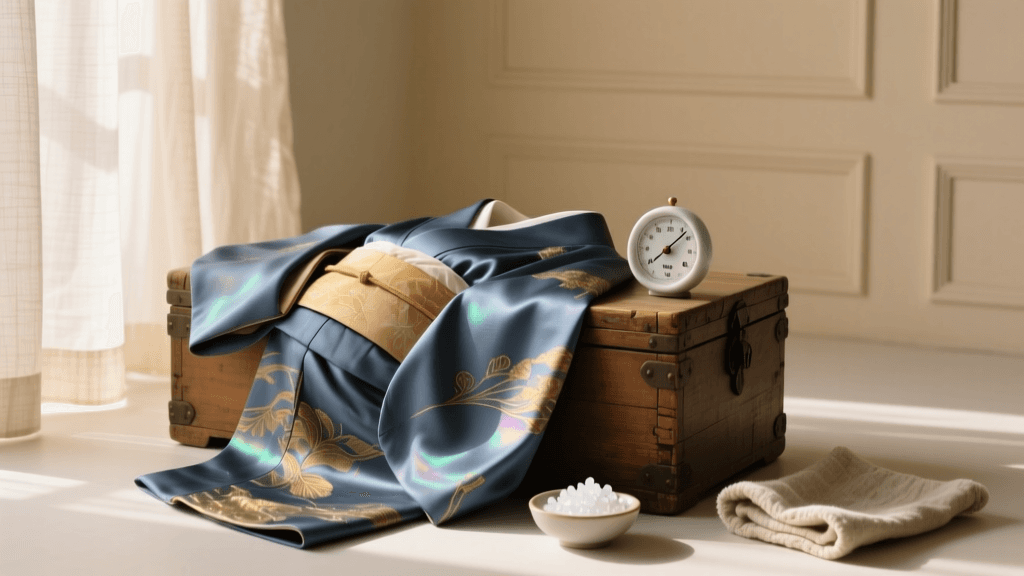
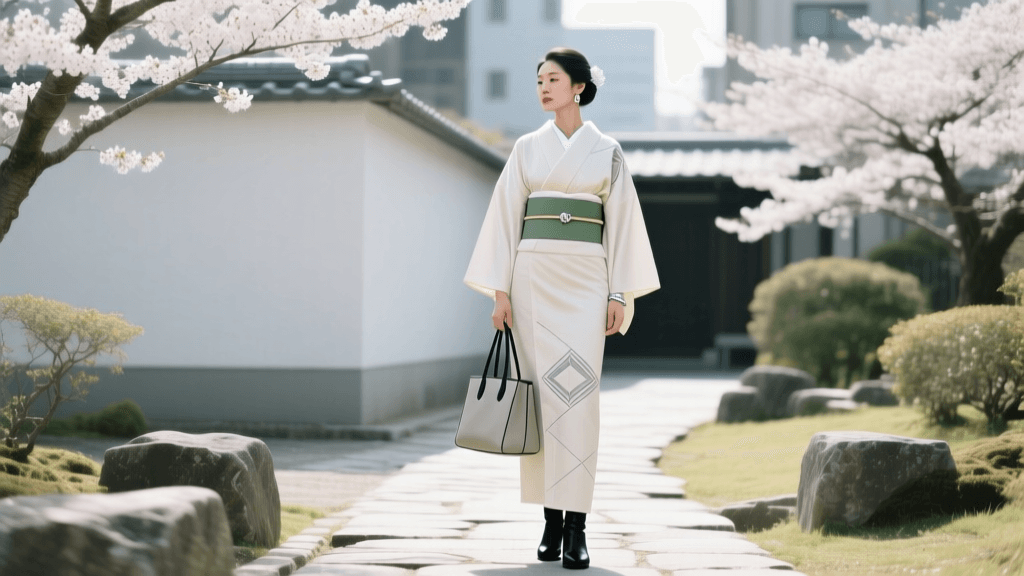
For vintage silks, proper storage is paramount. Never store silk in plastic, as it traps moisture and leads to mold. Instead, wrap your garments in acid-free tatou-shi paper and store them in a cool, dark environment with desiccant packets. When styling for modern contexts, do not be afraid to break traditional rules. Pairing a vintage, muted-color komon with a sleek leather belt instead of a traditional obi, or wearing a haori over a modern turtleneck, are celebrated styling techniques in 2026's global fashion capitals. By understanding the rich history and structural brilliance of these garments, you can respectfully and creatively integrate Japanese traditions into your everyday life.