Modern Kimono Styling Guide for Contemporary Occasions
The kimono, a T-shaped, straight-lined robe with attached collars and wide, long sleeves, has transcended its historical boundaries to become a versatile statement piece in modern global fashion. While traditional rules of kitsuke (the art of wearing kimono) were once rigidly dictated by age, marital status, and season, today’s fashion landscape embraces a more fluid, contemporary approach. According to the Victoria and Albert Museum, the kimono has always been a dynamic garment, constantly evolving through cross-cultural exchanges and shifting social norms. For the modern wearer, styling a kimono for contemporary occasions—be it a cocktail party, an art gallery opening, or a casual weekend brunch—requires a delicate balance of respecting the garment's heritage while injecting personal, modern flair.
Decoding the Modern Kimono Dress Code
Translating traditional Japanese formality levels into Western or modern global dress codes can seem daunting. However, understanding the baseline hierarchy allows you to bend the rules intentionally and elegantly. The Metropolitan Museum of Art notes the structural brilliance and symbolic weight of kimono textiles, which remain crucial when selecting a garment for a specific modern event.
Black Tie and Formal Weddings (Kurotomesode and Homongi)
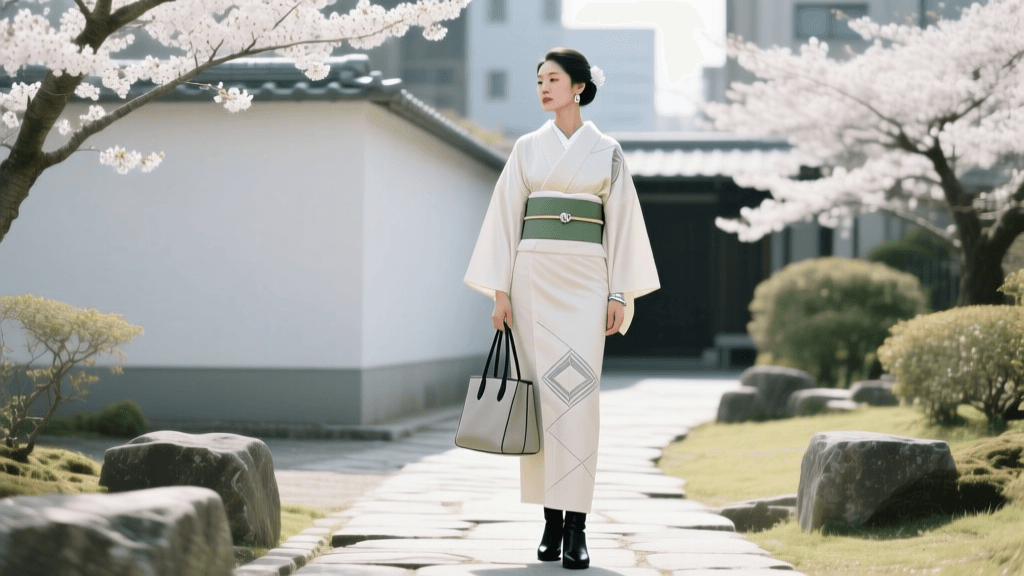
For highly formal evening events or weddings, the Kurotomesode (black crepe with family crests and patterns only below the hem) and Homongi (visiting wear with continuous patterns across seams) are the gold standards. In a modern context, a Homongi with a subtle metallic weave or minimalist geometric motif bridges East and West beautifully. Pair it with a solid, dark obi and elegant pearl accessories. Avoid overly loud, multicolored floral patterns if you are a guest at a Western-style wedding, as the goal is sophisticated integration rather than overshadowing the bridal party.
Cocktail Attire and Gallery Openings (Tsukesage and Edo Komon)
The Tsukesage (patterns that do not cross seams and are concentrated on the upper back and lower front) and Edo Komon (featuring ultra-fine micro-patterns that appear solid from a distance) are perfect for cocktail hours, theater nights, and gallery openings. Edo Komon, historically worn by samurai, exudes a quiet, intellectual luxury. Style these with a sleek, modern Nagoya obi in a contrasting matte texture, such as a deep burgundy or charcoal grey, to create a chic, avant-garde silhouette that feels entirely appropriate for a contemporary art space.
Smart Casual and Brunch (Komon and Yukata)
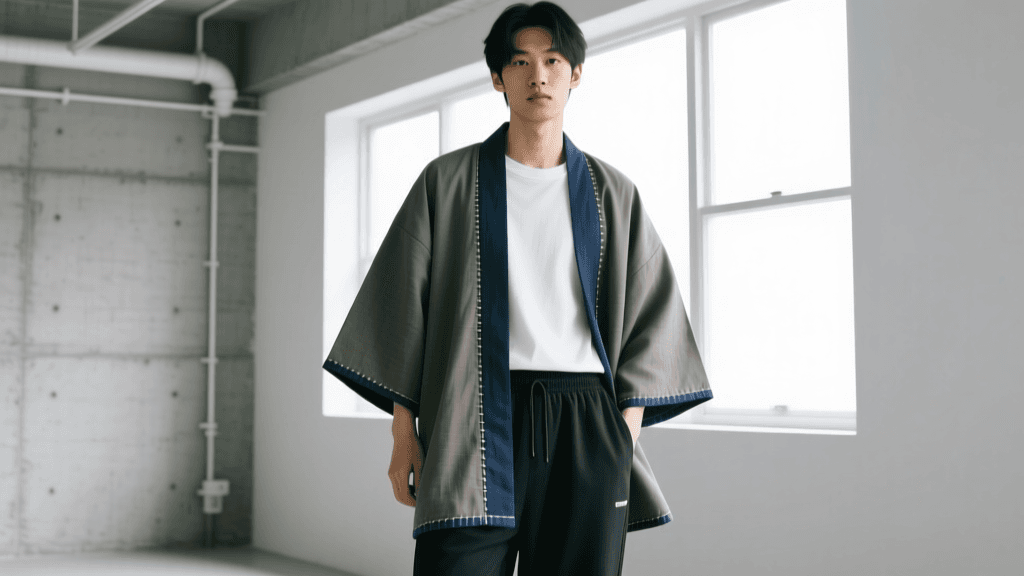
For daytime events, casual dates, or creative workplaces, the Komon (all-over repeating patterns) and the cotton Yukata are ideal. This is where modern styling truly shines. A vintage silk Komon can be layered with a tailored denim jacket or a fine-knit turtleneck underneath in cooler months. For summer brunches, a high-quality, indigo-dyed Yukata paired with a thin leather obi belt and modern sandals creates an effortlessly cool, relaxed aesthetic.
Contemporary Styling Techniques and Accessories
The secret to modernizing the kimono lies in the accessories. The traditional trio of obiage (sash), obijime (cord), and obidome (sash fastener) offers a canvas for contemporary expression.
- Obijime Innovation: Swap traditional braided silk cords for obijime featuring freshwater pearls, metallic threads, or even repurposed vintage jewelry chains. This adds a touch of modern glamour that catches the light in dimly lit evening venues.
- Obidome as Brooches: Instead of purchasing specialized obidome, thread a vintage European brooch or a modern minimalist metallic charm through the obijime cord. This creates a striking focal point and blends global fashion history.
- Footwear Crossovers: While traditional zori sandals and tabi (split-toe socks) are standard, modern street style in Tokyo frequently pairs kimono with ankle boots, loafers, or even clean, minimalist sneakers. As highlighted by BBC Culture, contemporary designers and wearers are actively rewriting the rules, making the kimono a staple of global streetwear and high fashion alike.
Occasion-Specific Styling Matrix
The following table provides a practical blueprint for assembling a kimono outfit tailored to specific modern events, including estimated budgets for sourcing vintage or rental pieces.
| Occasion | Kimono Type | Obi Style | Footwear | Est. Budget (USD) |
|---|---|---|---|---|
| Black-Tie Wedding | Homongi (Silk) | Fukuro Obi (Brocade) | Zori & White Tabi | $250 - $600 (Vintage) |
| Cocktail / Gallery | Edo Komon | Nagoya Obi (Solid Matte) | Heeled Zori or Ankle Boot | $120 - $300 (Vintage) |
| Corporate Dinner | Tsukesage | Nagoya Obi (Subtle Pattern) | Classic Zori & Dark Tabi | $150 - $350 (Vintage) |
| Casual Brunch | Komon or Yukata | Hanhaba Obi or Leather Belt | Loafers or Sneakers | $40 - $120 (Vintage/Rental) |
Mastering the Fit: Measurements and Proportions
Unlike Western clothing, kimono are generally constructed in a single, standard width, with length adjustments made during the dressing process. The traditional ideal dictates that the kimono should be long enough to create an ohashori—a horizontal fold at the waist that tucks under the obi. This fold should ideally cover the bottom edge of the obi and sit parallel to the floor.
However, sourcing vintage kimono that perfectly match your height can be challenging. The standard vintage length often suits women between 150 cm and 160 cm (approx. 4'11" to 5'3"). If you are taller, modern styling offers a rebellious yet widely accepted solution: wear the kimono slightly higher, above the ankle, and pair it with opaque tights and boots. This eliminates the need for the ohashori and intentionally showcases the footwear, creating a chic, cropped silhouette that is highly popular in contemporary Harajuku and Omotesando street fashion.
"The beauty of the modern kimono revival is not in strict adherence to Edo-period rules, but in the wearer's ability to use the garment's architectural structure as a foundation for personal storytelling."
Sourcing, Sustainability, and Care
Embracing vintage kimono is not only a cost-effective way to build a high-quality wardrobe but also an inherently sustainable fashion choice. The silk used in mid-20th-century kimono is exceptionally durable, and purchasing pre-owned garments keeps these textiles out of landfills while preserving traditional craftsmanship.
Where to Buy
If you are in Japan, explore "recycle shops" (リサイクルショップ) such as the popular chain Tansu-ya, where you can find authentic silk kimono for as little as 3,000 to 10,000 JPY ($20 to $70 USD). For international buyers, specialized online dealers like Chicago Kimono or curated Etsy vintage shops offer inspected, high-quality pieces with accurate measurements.
Maintenance and Cleaning
Silk kimono require specialized care. Never wash a silk kimono at home. Instead, rely on traditional Japanese dry cleaning known as maru-arai, which involves taking the garment apart, washing the individual panels, and re-sewing it. While this is difficult to access outside of Japan, you can maintain your garments by:
- Airing them out: Hang the kimono in a shaded, well-ventilated area for a few hours after wearing to remove moisture and odors.
- Spot cleaning: Use a specialized silk spot cleaner for minor stains on the collar or hem, but always test on an inconspicuous inner seam first.
- Proper storage: Fold the kimono using the traditional method along its seam lines and store it in a breathable cotton cover (tatoushi) with silica gel packets to prevent humidity damage and mold.
By understanding the foundational rules of kitsuke and knowing exactly when and how to break them, you can seamlessly integrate the kimono into your modern wardrobe. Whether you are attending a formal gala or enjoying a weekend coffee, the kimono remains a profound, wearable art form ready for the contemporary stage.