The Haori Jacket: Styling Japanese Outerwear in Streetwear
The Evolution of the Haori: From Samurai Armor to Streetwear
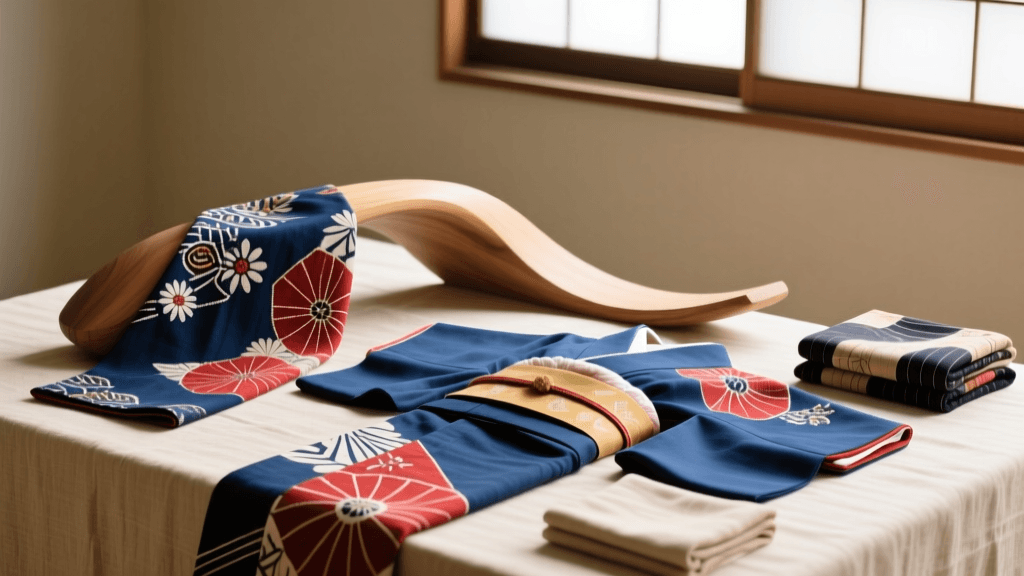
The intersection of traditional Japanese garments and contemporary global streetwear has birthed some of the most innovative fashion movements of the 21st century. At the forefront of this sartorial fusion is the haori, a traditional Japanese hip- or thigh-length jacket worn over a kimono. Originally popularized during the Edo period (1603-1867) as a practical layer for warmth and a canvas for displaying family crests (kamon), the haori has transcended its historical boundaries. Today, it is a staple in the wardrobes of avant-garde designers, Harajuku street style icons, and global menswear enthusiasts.
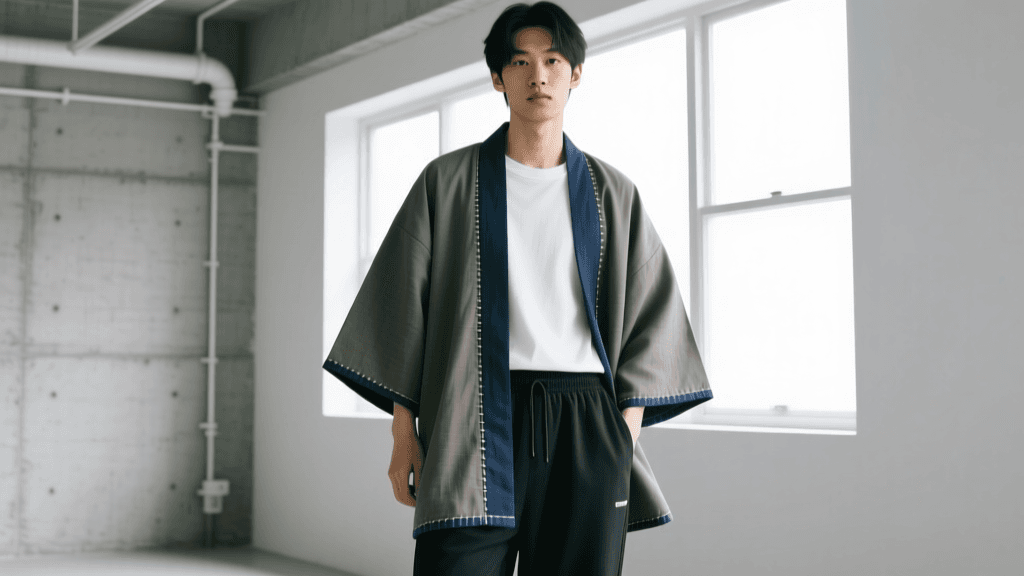
According to the Metropolitan Museum of Art's Heilbrunn Timeline of Art History, the structural foundation of Japanese T-shaped garments like the kimono and haori relies on straight-line cutting, which minimizes fabric waste and creates a distinct, boxy silhouette. This very silhouette—characterized by drop shoulders, wide sleeves, and an open front—is precisely what makes the haori so compatible with modern oversized streetwear aesthetics. Unlike the kimono, which requires complex wrapping and the restrictive binding of an obi (sash), the haori is designed to be worn open and flowing, making it the ultimate statement layering piece for contemporary urban environments.
Sizing and Measurements: Achieving the Modern Streetwear Fit
One of the most common hurdles for Western consumers integrating traditional Japanese garments into their wardrobe is sizing. Vintage haori were not sized with modern Western proportions in mind. Instead of looking for 'Small', 'Medium', or 'Large', you must understand three critical Japanese garment measurements to achieve that coveted, oversized streetwear drape:
- Mitake (Back Length): Measured from the base of the collar to the bottom hem. For a modern streetwear look that layers well over hoodies and longline tees, look for a mitake between 80 cm and 95 cm (31.5 to 37.5 inches). Anything shorter will look cropped and traditional; anything longer may restrict leg movement.
- Katahaba (Shoulder Width): Because traditional garments lack a structured shoulder seam, this is measured across the back from sleeve end to sleeve end. To get the modern 'drop-shoulder' effect popularized by brands like Yeezy or Balenciaga, aim for a katahaba of 62 cm to 68 cm (24.5 to 26.5 inches).
- Yuki (Sleeve Length): Measured from the center back of the neck to the edge of the sleeve. A yuki of 75 cm to 82 cm (29.5 to 32 inches) ensures the sleeves will hit around the wrist or slightly past it, allowing the wide sode (sleeve opening) to drape dramatically over your hands.
Actionable Tip: When shopping online, always ask the seller for the 'lay-flat' measurements in centimeters. Do not rely on visual estimates from photos, as the wide sleeves can distort the perceived size of the garment.
Three Ways to Style a Haori in Modern Streetwear
Integrating a centuries-old garment into a modern rotation requires a deliberate approach to proportions, textures, and footwear. Here are three distinct, actionable styling frameworks for the haori:
1. The Techwear Fusion
Techwear relies on utilitarian fabrics, modular layering, and a dark, monochromatic palette. A nylon or polyester-blend vintage haori (often from the 1970s or 80s) works perfectly here. Wear a black, water-resistant shell jacket underneath, paired with tapered cargo pants featuring multiple straps and buckles. Leave the haori completely open to allow the geometric patterns on the inner lining (hakkake) to peek through as you walk. Finish the look with chunky, aggressive footwear like the Salomon XT-6 or Nike ACG Mountain Fly.
2. Vintage Americana Meets Edo Elegance
The contrast between rugged workwear and delicate Japanese silk is a hallmark of high-end streetwear. Start with a heavyweight, boxy white t-shirt and a pair of faded, straight-leg Levi's 501s or Carhartt WIP double-knee pants. Layer a vintage silk haori featuring subtle kasuri (ikat) weaving or botanical motifs over the top. To ground the outfit and prevent it from looking like a costume, wear classic suede New Balance 990v5 sneakers and a distressed denim trucker hat. The key here is letting the haori act as a vibrant, textured overshirt.
3. The Minimalist Avant-Garde
For fans of brands like Yohji Yamamoto or Rick Owens, a solid-colored, matte-finish linen or wool haori is ideal. Stick to a strict monochrome palette—charcoal, olive, or deep navy. Wear the haori over a longline, asymmetrical tunic and wide-leg, pleated trousers that pool slightly over your shoes. Accessorize with a wide-brimmed felt hat and Maison Margiela Replica Tabi boots. This look leans heavily into the architectural, flowing nature of traditional Japanese cutting, emphasizing silhouette over loud patterns.
Comparison Chart: Sourcing Your Haori
Understanding the market is crucial for building an authentic and cost-effective collection. Below is a comparison of the three main categories of haori available to modern streetwear enthusiasts.
| Category | Material & Era | Average Cost (USD) | Streetwear Vibe | Care Level |
|---|---|---|---|---|
| Vintage Antique | Pure Silk, Pre-1950s | $120 - $400+ | Luxurious, delicate, statement piece | High (Dry clean only, fragile) |
| Vintage Retro | Polyester/Silk Blend, 1970s-80s | $45 - $90 | Bold patterns, durable, great for layering | Medium (Gentle hand wash) |
| Modern Reproduction | Cotton, Linen, Nylon (Contemporary) | $150 - $500 | Minimalist, structured, everyday wear | Low (Machine washable) |
| Boro / Sashiko | Indigo Cotton, Patchwork (Antique) | $300 - $1,500+ | Rugged, workwear-adjacent, highly unique | Medium (Specialist indigo care) |
Where to Buy: Actionable Sourcing Guide
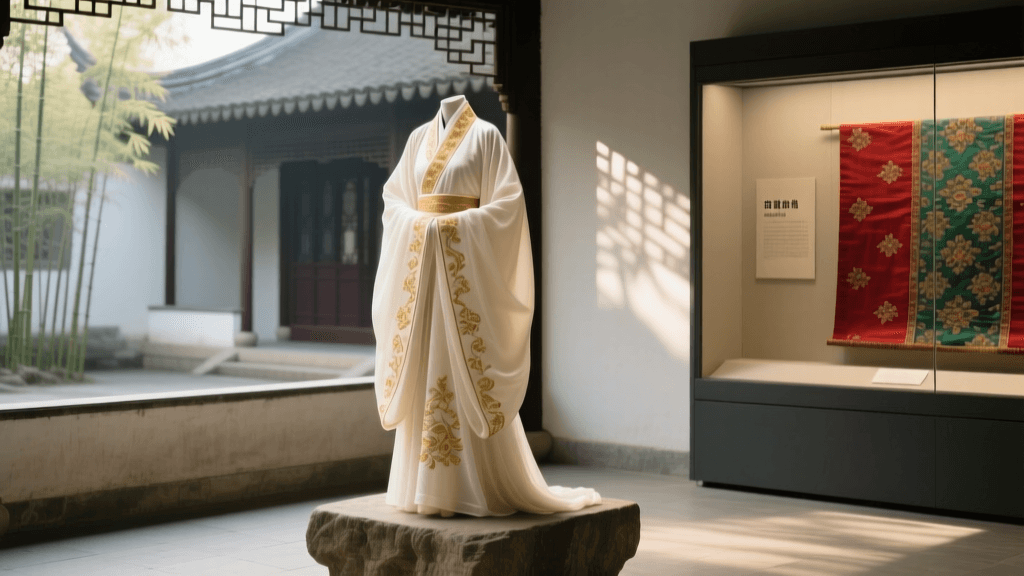
Finding the right piece requires knowing where to look and what search terms to use. As noted by the Victoria and Albert Museum's extensive textile archives, the regional variations in Japanese weaving and dyeing are vast, meaning you can hunt for specific regional crafts like Kaga yuzen or Oshima tsumugi.
- Online Marketplaces (Etsy & eBay): Use highly specific search terms. Instead of 'Japanese jacket', search for 'Vintage silk haori jacket men', 'Antique boro haori', or 'Showa era polyester haori'. Filter by 'Sold Items' to gauge true market value before bidding.
- Specialized Exporters: Websites like Yamatoku and Chicago Kimono export directly from Japanese secondhand markets. They provide reliable measurements and condition reports. The best time to buy from Japanese exporters is immediately after the Obon festival in mid-August or during the New Year clearance, when estates and secondhand shops (recycle shops) liquidate inventory.
- Modern Streetwear Brands: If you prefer new, machine-washable garments, look to contemporary Japanese brands like Sou Sou, Kapital, and N. Hoolywood, which frequently release modernized, streetwear-proportioned haori jackets in their seasonal collections.
Garment Care and Maintenance
Traditional garments require specific care to maintain their structural integrity and historical value. The Japan Guide's section on traditional clothing emphasizes the importance of proper storage to prevent humidity damage, which is a major threat to vintage silk.
Never hang a vintage silk haori on a standard wire or wooden hanger; the weight of the fabric will distort the drop-shoulder seams over time. Instead, fold the garment along its natural straight-line seams and store it flat in a breathable cotton bag or traditional tatoushi (washi paper wrapper). If your vintage piece develops a musty smell from storage, do not wash it. Instead, hang it outside in a shaded, well-ventilated area on a dry, breezy day for a few hours. For stains on antique silk, always consult a textile conservation specialist or a dry cleaner who explicitly advertises experience with vintage kimonos and haori.
By understanding the history, mastering the proportions, and respecting the craftsmanship of the haori, you can seamlessly integrate this masterpiece of Asian tradition into a cutting-edge, modern streetwear wardrobe. The haori is not merely a costume piece; it is a versatile, architectural garment that bridges the gap between Edo-period artisanship and the future of global fashion.