Guide to China's Top Hanfu and Textile Heritage Museums
The Renaissance of Hanfu and the Role of Heritage Sites
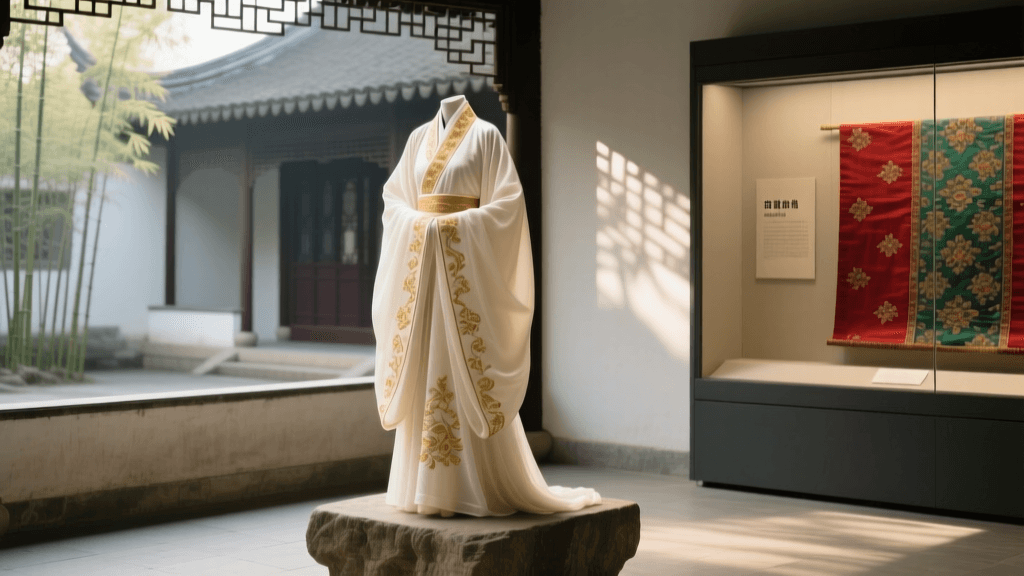
The modern Hanfu movement (Hanfu Yundong) has sparked a global renaissance in traditional Chinese clothing, driving millions to seek historical accuracy and cultural connection. While social media popularizes the aesthetic, true understanding of traditional garments—from the flowing Shenyi of the Han Dynasty to the intricate Ruqun of the Tang Dynasty—requires studying the original textiles, looms, and historical contexts. For enthusiasts, designers, and cultural historians, visiting China's premier textile and heritage museums is an essential pilgrimage.
This comprehensive guide explores the most significant Hanfu and textile heritage sites in China, offering practical travel advice, exhibition highlights, and actionable tips for navigating these cultural treasures while dressed in traditional attire.
The China Silk Museum (Hangzhou): The Epicenter of Sericulture
Located near the scenic West Lake, the China Silk Museum is the largest silk-themed museum in the world. It serves as the ultimate starting point for understanding the foundational material of Hanfu: silk. The museum's permanent exhibitions trace the 5,000-year history of Chinese sericulture, showcasing excavated textile fragments from the Liangzhu culture and fully restored garments from the Tang and Song dynasties.
Exhibition Highlights
- The Conservation Gallery: Watch textile conservators actively restore fragile, centuries-old silk garments using specialized microscopes and natural dyes.
- The Silk Road Pavilion: Features Sogdian-influenced round-collar robes (Yuanlingpao) that highlight the cross-cultural exchange of fashion during the Tang Dynasty.
- Dyeing Workshops: Interactive exhibits demonstrating traditional plant dyeing techniques, such as indigo and madder root, crucial for authentic Hanfu reproduction.
As recognized by UNESCO's Intangible Cultural Heritage list, Chinese sericulture and silk craftsmanship involve complex, multi-generational knowledge. The museum brilliantly contextualizes how the cultivation of the mulberry tree and the rearing of silkworms directly dictated the drape, weight, and social hierarchy of historical garments.
Nanjing Cloud Brocade Museum: Weaving the Heavens
While Hangzhou is the heart of general silk production, Nanjing is the undisputed capital of Yunjin (Cloud Brocade). Historically reserved for imperial dragon robes and high-ranking official garments during the Ming and Qing dynasties, Yunjin represents the zenith of Chinese textile engineering. The Nanjing Cloud Brocade Museum is dedicated entirely to this opulent fabric, characterized by its use of real gold and silver threads, and peacock feather yarns.
The Marvel of the Wooden Looms
The centerpiece of the museum is the operational exhibition hall featuring massive, traditional wooden jacquard looms. These looms measure an astonishing 5.6 meters in length, 1.4 meters in width, and 4 meters in height. Operating a single loom requires two master weavers: one sitting atop the loom to 'pick the flowers' (program the complex pattern via memory and bamboo threads), and one below to weave and pass the shuttles. The intricate craft of Yunjin is so complex that it was inscribed on the UNESCO Representative List of the Intangible Cultural Heritage of Humanity, as the technique cannot be fully replicated by modern machinery.
For Hanfu enthusiasts, this museum provides crucial insight into the structural differences between everyday historical garments and formal ceremonial wear (Lifu), highlighting why authentic brocade Hanfu commands such high prices in today's market.
The Palace Museum (Beijing): Imperial Textiles and Ceremonial Dress
While primarily known as the Forbidden City, the Palace Museum houses one of the world's most extensive collections of Ming and Qing dynasty imperial textiles. Though not exclusively a textile museum, its rotating 'Imperial Couture' and 'Treasures of the Qing Court' exhibitions are mandatory viewing for students of late-imperial fashion.
Decoding Imperial Garments
Here, visitors can study the strict sumptuary laws that governed historical Chinese fashion. You will observe the precise placement of the twelve imperial symbols of sovereignty on the Emperor's Chaofu (court robe) and the subtle differences in the number of claws on dragon motifs that separated the Emperor from his princes and ministers. For a broader historical context on the Silk Road's impact on garment evolution and textile trade, the Metropolitan Museum of Art's Heilbrunn Timeline of Art History provides excellent supplementary reading on how these imperial styles were influenced by broader Asian trade networks.
Museum Comparison Chart for Heritage Travelers
To help you plan your itinerary, here is a structured comparison of these three premier heritage sites.
| Museum Name | Location | Primary Focus | Admission Cost | Best Time to Visit | Nearby Hanfu Rental |
|---|---|---|---|---|---|
| China Silk Museum | Hangzhou, Zhejiang | Sericulture history, Tang/Song silk | Free (Reservation required) | Weekday mornings (March-May) | Abundant (West Lake area) |
| Nanjing Cloud Brocade Museum | Nanjing, Jiangsu | Imperial brocade, Ming/Qing looms | Approx. 90 RMB ($12 USD) | Year-round, avoid national holidays | Moderate (Xinjiekou district) |
| The Palace Museum | Beijing | Imperial court dress, ceremonial wear | 60 RMB ($8 USD) peak season | November-March (off-peak) | High (Jingshan Park vicinity) |
Decoding the Exhibits: What to Look For
When walking through these museums, train your eye to look beyond the beautiful colors. Focus on the structural elements that define authentic Hanfu:
- The Cross-Collar (Jiaoling): Observe how the left side always crosses over the right (Zuoren). In historical artifacts, a right-over-left collar is typically only found on burial garments or specific ethnic minority dress of the era.
- Flat Cutting Techniques: Unlike Western tailoring, which uses darts and curved seams to fit the body's contours, traditional Chinese garments are cut from straight lengths of fabric. Look at the shoulder seams in the museum displays; they are completely flat, relying on the drape of the silk and the tying of sashes to create shape.
- Seam Placements: Notice the central back seam (Zhongfeng). Historically, fabric widths were narrow (often around 50-60 cm). The back seam was a structural necessity that evolved into a symbol of moral uprightness and integrity in Confucian philosophy.
Practical Guide: Etiquette, Booking, and Hanfu Wear
Visiting these heritage sites requires logistical preparation, especially if you plan to wear Hanfu during your tour. Follow these actionable guidelines to ensure a smooth and respectful experience.
1. Booking and Logistics
Almost all major museums in China require advance digital booking. Foreign and domestic visitors must use WeChat Mini-Programs or official websites to reserve tickets, often up to 7 days in advance. For the Palace Museum, tickets sell out within minutes of their release window (usually 8:00 PM local time, 7 days prior). You will need your passport number for entry. Always carry your physical passport, as digital copies are rarely accepted at the turnstiles.
2. Hanfu Etiquette in Museum Spaces
Wearing Hanfu to these museums is highly encouraged and widely celebrated by staff and locals. However, strict etiquette applies:
- Skirt Management: Museums often have narrow corridors and crowded display cases. If you are wearing a Mamianqun (horse-face skirt) or a long Daxiushan (large-sleeved robe), practice 'skirt management.' Hold the front panels of your skirt when navigating stairs or turnstiles to prevent tripping or dragging the fabric across public floors.
- Photography Rules: While taking photos of yourself in Hanfu inside the museum is generally permitted, flash photography, tripods, and selfie sticks are strictly banned to protect light-sensitive antique textiles. Always check the specific gallery's photography policy, as temporary loan exhibitions often prohibit photography entirely.
- Prop Restrictions: Leave large props (such as long ceremonial swords, large paper umbrellas, or elaborate hairpieces with sharp metal pins) at your hotel or in the museum cloakroom. Security will confiscate items that could potentially damage glass display cases or harm other visitors in crowded galleries.
3. Timing Your Visit
To avoid the overwhelming crowds of domestic tour groups, aim to arrive exactly at opening time (usually 8:30 AM or 9:00 AM). Head immediately to the most popular permanent exhibitions—such as the Tang Dynasty silk vault in Hangzhou or the Imperial Robe gallery in Beijing—before the mid-morning rush. Avoid China's 'Golden Week' (October 1-7) and the Spring Festival at all costs, as museum capacity limits will make for a claustrophobic and stressful experience.
Conclusion
Exploring China's textile and Hanfu heritage museums bridges the gap between modern fashion trends and ancient craftsmanship. By understanding the monumental effort required to weave a single inch of cloud brocade, or the philosophical significance of a flat-cut shoulder seam, enthusiasts can elevate their appreciation of traditional Asian garments. Whether you are a historian, a tailor, or a passionate wearer of Hanfu, these institutions offer an indispensable, tangible connection to the sartorial soul of China.