Miao Ethnic Clothing: A Guide to Silver & Embroidery
The Wearable History of the Miao People
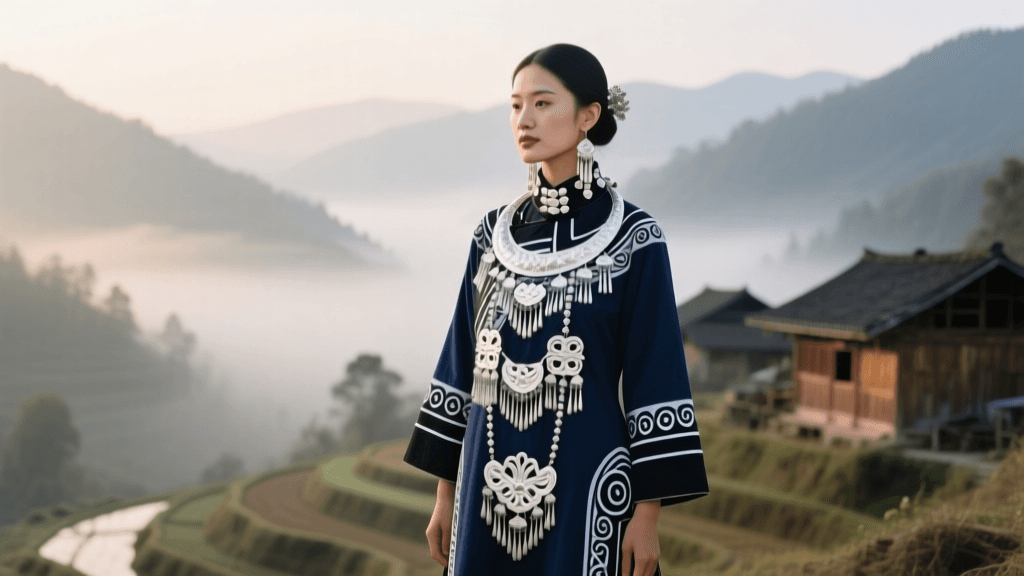
The Miao people, widely known in the West as the Hmong, represent one of China’s most culturally rich and visually striking ethnic minorities. Concentrated primarily in the mountainous provinces of Guizhou, Hunan, and Yunnan, the Miao have historically lacked a widely used written language. Instead, they have encoded their mythology, migration history, and clan identities into their textiles and metalwork. According to Britannica's overview of the Hmong/Miao people, their intricate clothing serves as a 'wearable history book,' where every stitch and silver motif tells a story of ancestral journeys and spiritual beliefs.
For collectors, cultural enthusiasts, and sustainable fashion advocates, understanding Miao ethnic clothing requires looking beyond the vibrant aesthetics. It demands an appreciation of the painstaking craftsmanship, the specific regional variations, and the economics of authentic sourcing. This guide provides a deep dive into Miao embroidery and silverwork, complete with actionable advice on how to source, measure, and care for these extraordinary garments.
The Art of Miao Embroidery: Stitches and Symbolism
Miao embroidery (Miao xiu) is globally renowned for its complexity, bold color palettes, and three-dimensional textures. Unlike the flat, delicate silk embroidery of the Han Chinese elite, Miao embroidery is robust, heavily textured, and deeply symbolic. As noted by The Met Museum's Heilbrunn Timeline on Chinese Textiles, minority textiles from southwestern China often utilize indigenous bast fibers, heavy cottons, and natural indigo dyes, creating a stark and beautiful contrast to courtly silks.
Key Embroidery Techniques
- Seed Stitch (Dazi): A painstaking technique where tiny, raised knots are stitched closely together to create a textured, velvet-like surface. A single jacket panel using the seed stitch can take an artisan over six months to complete.
- Wrinkled/3D Embroidery (Zhouxiu): Fabric is pleated, folded, and stitched to create raised, sculptural motifs that pop off the base textile, often used to depict dragon scales or flower petals.
- Flat Gold/Silver Couching (Pianjin): Metallic threads are laid flat on the fabric and secured with tiny silk stitches, creating a shimmering, armor-like effect on festival jackets.
The Butterfly Mother and Other Motifs
The most sacred motif in Miao embroidery is the 'Butterfly Mother' (Mais Bangx Mais Lief). According to Miao creation myths, the Butterfly Mother laid twelve eggs, which hatched into the first humans, dragons, elephants, and tigers. You will frequently see this motif on the back panels of festival jackets and baby carriers, serving as a protective talisman. Other common motifs include the buffalo horn (representing agricultural wealth and ancestral strength) and the centipede (symbolizing protection against evil spirits).
The Weight of Tradition: Miao Silver Jewelry
No Miao festival outfit is complete without its accompanying silver jewelry. For the Miao, silver represents light, purity, and the warding off of evil spirits. It is also a traditional store of family wealth, passed down from mother to daughter.
A full set of Miao festival silver jewelry is astonishingly heavy and complex. It typically includes:
- The Silver Horn Headdress (Niujiao): A massive, crescent-shaped headdress resembling buffalo horns. It can span up to 90 cm in width and weigh between 1 to 2.5 kilograms.
- Neck Rings and Torcs: Solid or hollow silver rings worn in layers around the neck, often weighing an additional 1 to 2 kg.
- Chest Plates and Locks: Intricate pectoral collars featuring dangling silver bells, fish, and butterflies that chime softly with the wearer's movements.
According to a cultural feature by Sixth Tone on Miao embroidery artisans, the creation of these garments and their silver counterparts is a communal, intergenerational effort that sustains rural village economies, though it faces threats from modern mass production.
Actionable Guide: Sourcing Authentic Miao Garments
If you are looking to purchase authentic Miao clothing or jewelry—whether for a private collection, museum archive, or personal wear—you must know where to go, what to pay, and how to verify authenticity.
Where and When to Buy
The best places to source authentic pieces are the local markets in Guizhou Province. The Kaili Sunday Market and the Xijiang Thousand Households Miao Village are prime locations. For the best selection of vintage and newly commissioned festival wear, time your visit to coincide with major cultural events:
- The Sister's Meal Festival (April): Ideal for viewing and purchasing elaborate silver headdresses and embroidered jackets.
- The Lusheng Festival (Autumn): Excellent for sourcing pleated skirts and indigo-dyed textiles.
Cost Breakdown and Measurements
Authentic Miao craftsmanship commands a premium. When negotiating or commissioning pieces, use the following benchmarks:
- Hand-Embroidered Festival Jacket: Expect to pay between $400 and $1,200 USD for a genuine, hand-stitched piece using silk threads on indigo-dyed cotton. Machine-embroidered tourist replicas sell for $30 to $60 USD.
- Pleated Indigo Skirt: A traditional skirt requires up to 20 meters of hand-woven cotton, compressed into a 60 cm waistband through weeks of meticulous pleating and natural dyeing. Authentic skirts cost $250 to $500 USD.
- Silver Jewelry: Artisan silver is priced by weight plus labor. Expect to pay $2.00 to $4.00 USD per gram for high-purity artisan silver. A 1.5 kg silver horn headdress will cost roughly $3,000 to $4,500 USD. Always ask for the 'silver content' (usually 925 or 990 purity) and test with a strong neodymium magnet—pure silver is non-magnetic.
Comparison Chart: Mass-Produced vs. Authentic Handcrafted
| Feature | Mass-Produced (Tourist Market) | Authentic Handcrafted (Artisan) |
|---|---|---|
| Base Fabric | Synthetic blends, machine-woven cotton | Hand-spun cotton, hemp, or bast fibers |
| Dye | Chemical aniline dyes (bright, uniform) | Natural fermented indigo (deep, uneven, earthy scent) |
| Embroidery | Machine-computerized, flat, uniform stitching | Hand-stitched, 3D textures, slight organic imperfections |
| Silver Purity | Alloy, Tibetan silver (copper/nickel mix) | 925 or 990 pure silver, hallmarked by the smith |
| Production Time | Hours (factory line) | 3 to 12 months per garment |
| Average Cost (Jacket) | $30 - $80 USD | $400 - $1,200+ USD |
Caring for Miao Textiles and Silver
Proper maintenance is crucial to preserving the integrity of these culturally significant items. Indigo dye and natural silver require specific care routines to prevent degradation.
Textile and Indigo Care
- Washing: Never use hot water or harsh chemical detergents on natural indigo. Hand wash in cold water with a pH-neutral soap. Expect some color bleeding during the first few washes; this is normal for natural dyes.
- Drying: Air dry in the shade. Direct sunlight will rapidly fade natural indigo and weaken hand-spun cotton fibers.
- Storage: Store pleated skirts rolled, not folded, to maintain the structural integrity of the pleats. Wrap in acid-free tissue paper and store in a cool, dry environment to prevent mold, which is a common issue with natural bast fibers.
Silver Polishing and Maintenance
- Removing Tarnish: Miao silver oxidizes quickly, especially in humid climates. To clean it without damaging the intricate filigree, use the electrochemical method: line a glass bowl with aluminum foil, add boiling water, a tablespoon of baking soda, and a pinch of salt. Submerge the silver for 5 minutes. The tarnish will transfer to the foil.
- Polishing: Use a soft microfiber cloth to buff the silver. Avoid abrasive silver pastes, as they can strip the deliberate dark patina that artisans sometimes leave in the crevices to highlight the 3D relief work.
- Wearing: Apply perfumes, lotions, and hairsprays before putting on silver jewelry to prevent chemical reactions that accelerate tarnishing.
Conclusion
Miao ethnic clothing is far more than mere decoration; it is a profound expression of identity, resilience, and artistry. The heavy silver horns and the densely embroidered Butterfly Mother motifs carry the weight of centuries of migration and myth. Whether you are a collector seeking a museum-grade indigo jacket or a traveler wanting to support rural artisans in Guizhou, understanding the techniques, costs, and care requirements ensures that you engage with this tradition respectfully and knowledgeably. By choosing authentic, handcrafted pieces, you directly contribute to the survival of one of Asia's most magnificent textile heritages.