The Ultimate Guide to Hanfu Community Events and Meetups
The Global Rise of the Hanfu Movement
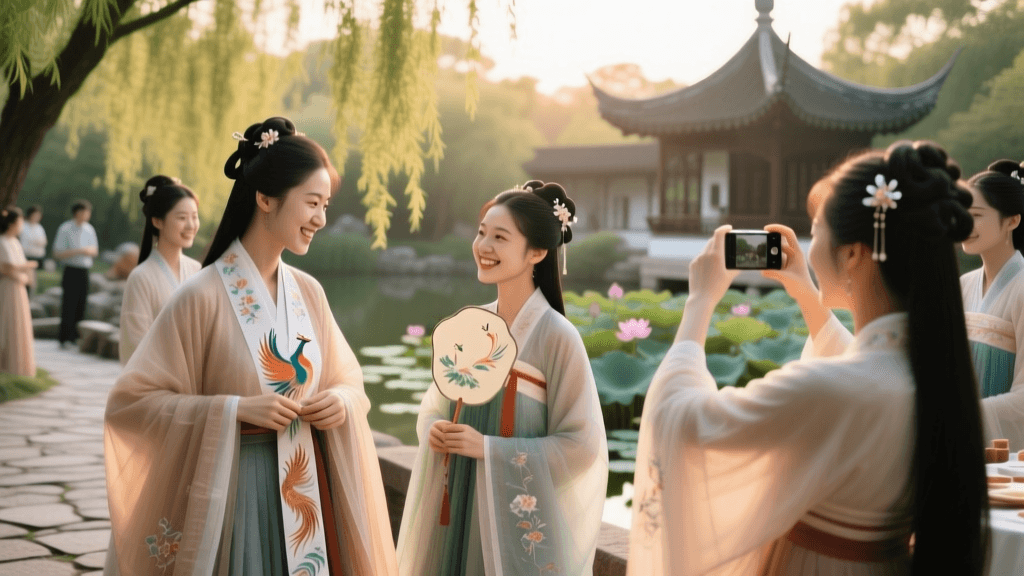
Over the past decade, the Hanfu movement has transformed from a niche internet subculture into a vibrant, globally recognized cultural phenomenon. Driven by a desire to reconnect with pre-Qing dynasty Chinese heritage, millions of young people are embracing traditional garments not just as historical costumes, but as living, breathing fashion. According to extensive cultural reporting by BBC News, this grassroots revival has sparked a multi-billion dollar industry and fostered deeply connected communities both online and offline. For enthusiasts, the ultimate expression of this passion is found in Hanfu community events, conventions, and local meetups.
Whether you are a seasoned collector of Ming dynasty mamianqun (horse-face skirts) or a curious beginner looking to attend your first local park photoshoot, navigating the Hanfu event landscape requires a blend of cultural knowledge, logistical planning, and community etiquette. This guide will walk you through the major conventions, local meetup dynamics, and the practical essentials you need to fully immerse yourself in the 'Tongpao' (同袍) community.
Major Hanfu Conventions and Festivals
Xitang Hanfu Culture Week
Held annually in the picturesque water town of Xitang, Zhejiang Province, the Xitang Hanfu Culture Week is widely considered the Mecca of Hanfu events. Usually taking place in late October or early November, this week-long festival draws hundreds of thousands of attendees. The ancient cobblestone streets and stone bridges provide a flawless backdrop for traditional attire. Events include grand parades, archery competitions, traditional Chinese music performances, and academic symposiums on historical textiles.
Pro-Tip for Xitang: Arrive at the scenic zone by 6:30 AM. The morning mist over the canals offers the best lighting for photography, and you will beat the massive midday crowds. Renting a locker at the visitor center (around 20 RMB) is essential for storing your modern winter coats and camera gear while you shoot.
International Chinatown Parades and Cultural Festivals
You do not need to travel to China to experience large-scale Hanfu events. Major international cities with prominent Chinatowns—such as New York, London, Vancouver, and Singapore—host massive Lunar New Year and Mid-Autumn Festival parades where Hanfu clubs take center stage. These events are highly organized, often requiring months of advance registration for marching contingents, and they serve as vital hubs for the diaspora to celebrate and educate the public about traditional Chinese dress.
Comparing Major Hanfu Events
Choosing the right event depends on your budget, travel capabilities, and specific interests within the Hanfu sphere. Below is a comparison of prominent event types to help you plan your calendar.
| Event Type | Location Examples | Best Time to Visit | Est. Daily Budget (Excl. Travel) | Primary Focus |
|---|---|---|---|---|
| Xitang Hanfu Week | Xitang, Zhejiang, China | Late Oct - Early Nov | $80 - $150 USD | Immersive tourism, parades, historical showcases |
| Hangzhou Silk & Hanfu Fest | Hangzhou, China | Spring (April) | $60 - $120 USD | Textile arts, weaving, high-end brand launches |
| University Club Meetups | Global (Major Universities) | Year-round (Weekends) | $10 - $30 USD | Socializing, beginner workshops, casual photoshoots |
| Diaspora Cultural Parades | NYC, London, Singapore | Lunar New Year / Mid-Autumn | $40 - $90 USD | Public education, community pride, marching |
Navigating Local Meetups and Photoshoots
While mega-festivals are spectacular, the heartbeat of the Hanfu community lies in local, weekend meetups. These are often organized via platforms like Xiaohongshu (Little Red Book) in China, or through dedicated Facebook Groups, Discord servers, and Instagram pages in the West. Local meetups typically revolve around a specific theme, such as 'Tang Dynasty Picnic,' 'Song Dynasty Tea Tasting,' or 'Ming Dynasty Winter Solstice.'
How to Join a Local Meetup
- Find the Organizers: Search social media for '[Your City] Hanfu Club' or 'Hanfu Meetup [Your City]'. Most clubs have a central committee that plans quarterly events.
- Understand the Dress Code: Some meetups are 'strict historical' (requiring accurate fabrics, no zippers, correct layering), while others are 'Hanfu-inspired' or 'Xianxia' (welcoming fantasy elements and modern fusion). Always read the event brief carefully.
- Chipping In: Local meetups usually require a small fee (often $15–$30) to cover venue rentals, traditional snacks, and the hiring of a group photographer.
Practical Guide: Packing and Preparation
Attending a Hanfu convention is vastly different from attending a modern fashion convention. Traditional garments require specific under-layers, precise tying techniques, and careful maintenance. Failing to pack the right support items can turn a magical day into an uncomfortable ordeal.
The Essential Hanfu Event Kit
- Garment Steamer (Portable): Hanfu fabrics, especially cotton and linen blends used in Song and Ming styles, wrinkle easily during travel. A handheld steamer is non-negotiable for morning prep.
- Anti-Chafing Balm & Moleskin: Traditional footwear (cloud shoes or straw sandals) and stiff collars can cause blisters and neck irritation during 10-hour event days.
- Safety Pins & Double-Sided Tape: Essential for securing overlapping collars (jiaoling) and keeping heavy skirts from dragging in muddy or crowded areas.
- Hair Accessories & U-Pins: Bring twice as many hairpins as you think you need. Heavy metal buyao (step-shakes) frequently slip out during parades or windy outdoor shoots.
- Snacks & Hydration: Eating in full Hanfu is difficult without staining the collars. Pack a reusable straw and high-protein, bite-sized snacks that won't leave crumbs on your silk garments.
Budgeting for Hair, Makeup, and Styling
If you are attending a major convention and want professional styling, you will likely hire a 'Zhuangniang' (traditional makeup and hair artist). At events like Xitang, independent artists set up booths or work out of nearby hotels. Expect to pay between 200 and 500 RMB ($30–$70 USD) for a full historical makeup look, intricate braiding, and wig styling. Book at least three weeks in advance, as top-tier artists sell out their slots months before the festival begins.
Community Etiquette and 'Tongpao' Culture
The term 'Tongpao' (同袍) translates literally to 'wearing the same robe' and is the endearing term Hanfu enthusiasts use to address one another. The community is generally incredibly welcoming, but it is bound by a strong, unwritten code of respect regarding the garments and the culture they represent.
Photography and Consent
Because Hanfu is visually striking, attendees are frequently approached by tourists and street photographers. However, within the community, consent is paramount. Always ask a Tongpao before taking close-up photos of their outfit, especially if they are adjusting their hair or eating. If you are a photographer, offering to share the high-resolution images via a QR code or AirDrop is a standard courtesy that builds immense goodwill.
Respecting the Garments
Traditional Hanfu is often handmade, heavily embroidered, and sometimes quite expensive. Never step on the hem of someone's trailing skirt, and avoid touching delicate silk weaves or metallic embroidery without permission. When sitting in communal areas, it is customary to carefully gather and fold your skirt over your lap to prevent it from touching the floor.
The Historical Accuracy Debate
It is important to recognize that the community contains diverse factions. 'Historical purists' focus heavily on archaeological accuracy, studying museum artifacts and historical texts to recreate exact silhouettes. Conversely, 'Hanfu element' or 'fantasy' enthusiasts prioritize aesthetic beauty, comfort, and creative expression. When attending events, approach these differences with curiosity rather than criticism. The Victoria and Albert Museum's Asian Collections frequently highlight how historical textiles were constantly evolving and adapting to new trade routes and technologies, reminding us that traditional dress was never entirely static.
Conclusion
Participating in Hanfu community events and conventions is a profoundly rewarding experience that bridges the gap between ancient artistry and modern community building. Whether you are walking the misty bridges of Xitang at dawn, marching in a vibrant Lunar New Year parade in New York, or simply sharing a pot of tea with local Tongpao in a city park, these gatherings offer a living, breathing connection to Asian heritage. By preparing thoroughly, respecting the etiquette of the community, and embracing the rich history woven into every pleat and collar, you will find that the Hanfu movement is about much more than just clothing—it is about finding a shared identity and a beautiful, collective memory.