Best Archival Storage for Vintage Silk Kimonos: 2026 Guide
The Fragility of Heritage Silk: Why 2026 Demands Better Preservation
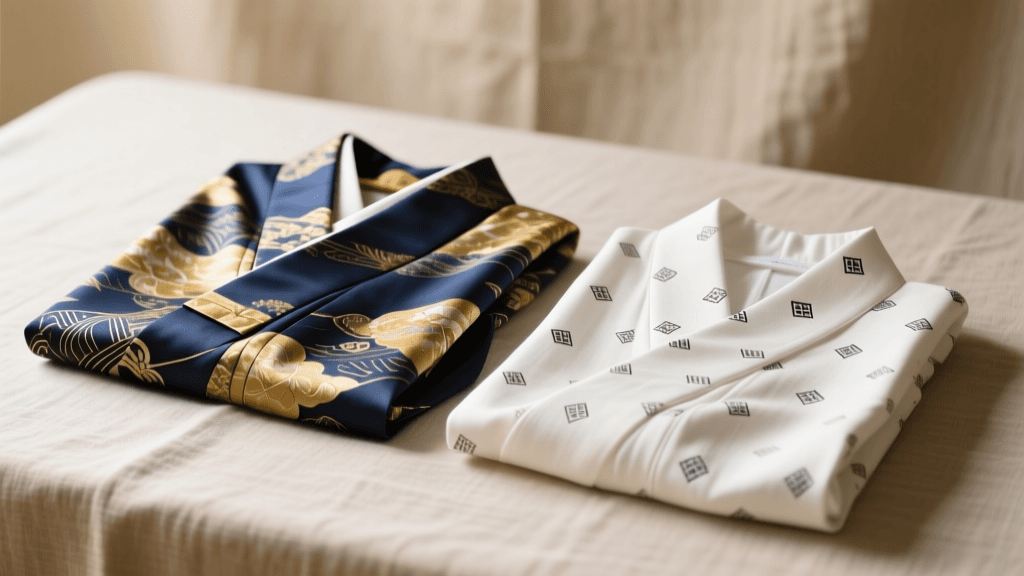
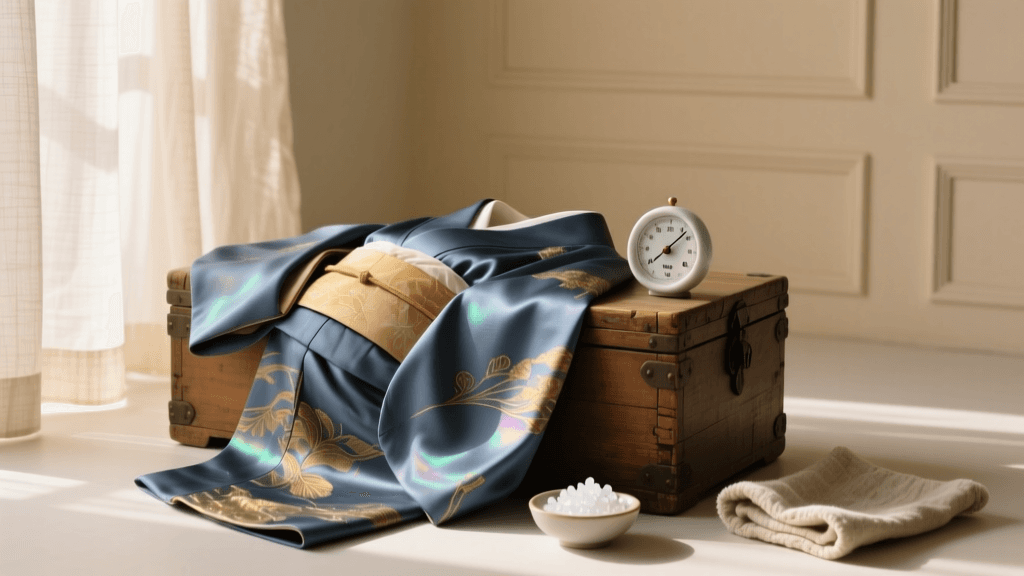
The market for vintage Meiji, Taisho, and early Showa era silk kimonos has experienced a massive resurgence in 2026. Collectors and cultural historians alike are recognizing these garments not just as fashion, but as vital textile artifacts. However, as global climate patterns shift and indoor HVAC systems create rapid micro-fluctuations in humidity, the risk of irreversible damage to heritage silk has never been higher. Preserving a vintage kimono requires moving beyond traditional cedar closets and embracing modern, museum-grade archival storage techniques. Whether you are safeguarding a family heirloom or a newly acquired collector's piece, understanding the chemical and physical vulnerabilities of silk is the first step in effective preservation.
Understanding Weighted Silk and Oxidative Shattering
One of the most critical threats to vintage kimonos, particularly those dating from the late 19th century to the 1930s, is a phenomenon known as 'shattering.' During this era, silk was often sold by weight. To increase profits, manufacturers treated the silk yarns with metallic salts, such as tin chloride, to make the fabric heavier and give it a satisfying drape. Over decades, these metallic salts catalyze an oxidative reaction that literally cuts the silk fibers from the inside out. If you have a vintage kimono that feels unusually heavy, stiff, or exhibits micro-tears along the fold lines, it is likely weighted silk. According to the American Institute for Conservation (AIC) Textile Wiki, weighted silk is highly susceptible to light damage and acidic environments, meaning that standard storage methods will accelerate its deterioration. In 2026, the only way to slow this process is through strict environmental control and zero-tension archival storage.
Essential Archival Storage Materials for Kimonos and Obis
To create a stable micro-climate for your garments, you must invest in chemically inert materials. The days of wrapping kimonos in standard cotton cloths or storing them in plastic dry-cleaning bags are over; these methods trap moisture and off-gas harmful plasticizers.
Unbuffered Acid-Free Tissue Paper
When padding folds or wrapping a kimono, you must use unbuffered acid-free tissue paper. Buffered tissue contains an alkaline reserve (usually calcium carbonate) designed to neutralize acids in cellulose-based materials like cotton or paper. However, silk is a protein fiber, and alkaline environments will degrade it over time. Unbuffered tissue maintains a neutral pH of 7.0, making it perfectly safe for protein fibers like silk and wool.
Archival Polyester (Melinex) and Tyvek Enclosures
For garments that are particularly fragile or feature delicate metallic embroidery, archival polyester sleeves (commonly known by the brand name Melinex) provide a transparent, inert barrier that allows you to view the garment without handling it. For larger items or complete ensembles, Tyvek envelopes offer a breathable, water-resistant, and tear-proof alternative to traditional paper wrappings.
Paulownia Wood (Kiri-Bako) vs. Archival Corrugated Board
Traditionally, kimonos are stored in kiri-bako (boxes made of Paulownia wood). Paulownia is excellent because it naturally regulates humidity and contains tannins that repel insects. However, if you are using a vintage kiri-bako, ensure the wood has been properly seasoned and is not off-gassing acidic sap. For absolute chemical stability in 2026, many conservators recommend archival-grade, acid-free corrugated board boxes lined with unbuffered tissue, which can be easily replaced if they become contaminated.
The 2026 Climate Control Standard for Textile Archives
Environmental stability is the cornerstone of textile preservation. Fluctuations in temperature and relative humidity (RH) cause silk fibers to expand and contract, leading to mechanical stress and eventual tearing. The Image Permanence Institute (IPI) emphasizes that maintaining a stable environment is more critical than achieving a 'perfect' number. For heritage silk kimonos, the 2026 consensus for long-term storage dictates the following parameters:
- Temperature: Maintain a steady 65°F to 68°F (18°C to 20°C). Avoid storing garments in attics or basements where seasonal temperature swings are extreme.
- Relative Humidity (RH): Keep RH strictly between 45% and 55%. Humidity above 60% invites mold spores and metallic thread tarnish, while humidity below 40% desiccates the silk fibers, making them brittle.
- Light Exposure: Store garments in total darkness. If displaying a vintage kimono, limit light exposure to less than 50 lux and eliminate all UV radiation using museum-grade LED lighting and UV-filtering acrylic glazing.
To monitor these conditions, place a Bluetooth-enabled data logger (such as a SensorPush or Govee hygrometer) directly inside the storage box. These 2026-era devices allow you to track micro-climate fluctuations via your smartphone without having to open the box and disturb the garment.
Step-by-Step Archival Folding and Wrapping Technique
Improper folding creates hard creases that eventually turn into permanent splits in the silk. The traditional Japanese folding method, known as tatou, is designed to minimize stress on the fabric. When adapting this for archival storage, follow these steps:
- Prepare the Surface: Lay a clean sheet of unbleached muslin or a Tyvek sheet on a large, flat table. Ensure your hands are clean, dry, and free of lotions or jewelry.
- Align the Garment: Lay the kimono face down. Smooth out the back panel, ensuring the seams are flat and not twisted.
- Fold the Sleeves: Fold the sleeves back over the body of the kimono along the shoulder seams.
- Fold the Body: Fold the left side of the kimono over the center back seam, then fold the right side over the left. The front panels should now overlap neatly.
- Pad the Folds (Crucial Step): Roll sheets of unbuffered acid-free tissue paper into loose 'sausages.' Place these tissue rolls inside every major fold (along the shoulders, the hem, and the side seams). This prevents the silk from folding onto itself sharply and distributes the mechanical stress.
- Final Wrap: Fold the bottom hem up to the collar, padding this final horizontal fold with another tissue roll. Wrap the entire folded bundle in a large sheet of unbuffered tissue or a Tyvek enclosure, and secure it with unbleached cotton twill tape. Never use rubber bands, pins, or adhesive tape.
Preserving Obi Belts and Metallic Threads
Vintage obi belts, particularly maru and fukuro obi woven with gold and silver threads, require specialized care. The metallic threads in vintage obi are often made from thin sheets of gold or silver leaf applied to lacquered paper, which is then wrapped around a silk core. These paper-based threads are highly susceptible to moisture and will tarnish, flake, or snap if folded sharply. Never fold an obi in half. Instead, roll the obi loosely around an acid-free cardboard tube padded with unbuffered tissue. Store the rolled obi horizontally in an archival box to prevent gravity from pulling the heavy weave out of alignment.
Safe Spot-Cleaning and Stain Stabilization
When dealing with vintage garments, the golden rule of conservation is: do no harm. Attempting to remove a decades-old stain with modern commercial cleaners or water will almost certainly result in dye bleeding, water-rings, or permanent fiber damage. The Victoria and Albert Museum (V&A) strongly advises against washing historic textiles at home. If you encounter a new, minor stain, gently blot it with a clean, dry, white cotton cloth to absorb excess moisture. For oil-based stains, some collectors use the traditional Japanese method of applying a clean piece of shiro-washi (highly absorbent paper) over the spot and applying a warm (not hot) iron to draw the oil into the paper. However, if the stain is old, set, or near delicate metallic embroidery, leave it alone. Stabilizing the garment in a proper archival environment is far more important than achieving cosmetic perfection.
Comparison Chart: Traditional vs. Modern Archival Storage
| Storage Method | Pros | Cons | Best Use Case in 2026 |
|---|---|---|---|
| Traditional Cedar Chest | Naturally repels moths; aesthetically pleasing; cultural authenticity. | Cedar oils can stain silk; wood off-gasses acids as it ages; poor humidity control. | Short-term storage of sturdy, modern silk garments; not recommended for antique textiles. |
| Paulownia Box (Kiri-Bako) | Excellent natural humidity buffering; lightweight; traditional aesthetic. | Expensive; vintage boxes may harbor pests or acidic sap; requires regular maintenance. | Long-term storage of high-value collector kimonos, provided the wood is properly seasoned. |
| Plastic Dry-Cleaning Bags | Protects against dust and liquid spills; inexpensive. | Traps moisture causing mold; off-gasses PVC plasticizers that melt into silk fibers. | Never use. Remove garments from plastic immediately upon bringing them home. |
| Acid-Free Corrugated Box + Tyvek | Chemically inert; affordable; easily replaceable; allows for micro-climate monitoring. | Lacks traditional aesthetic; requires purchasing specialized archival supplies. | The gold standard for museum-grade, long-term preservation of fragile and weighted silks. |
Pest Management: The Shift Away from Chemicals
Historically, chemical mothballs (naphthalene or paradichlorobenzene) were used to protect wool and silk. In 2026, these chemicals are recognized as highly toxic to humans and devastating to textile fibers, causing silk to yellow and become brittle. Modern pest management relies on prevention and non-toxic eradication. Keep your storage area meticulously clean, and use pheromone traps to monitor for the presence of clothes moths or carpet beetles. If an infestation is discovered, the safest eradication method for silk is anoxia (oxygen deprivation) or controlled freezing, both of which should be performed by a professional conservator to prevent condensation damage to the fibers.
When to Call a Professional Textile Conservator
While proper archival storage can halt the progression of damage, it cannot reverse it. You should seek the expertise of a certified textile conservator if you notice any of the following red flags:
- Active Shattering: The silk is cracking or turning to dust along the fold lines.
- Mold or Mildew: Fuzzy growth or a distinct musty odor indicates active fungal growth, which requires professional isolation and treatment.
- Severe Staining on Metallic Threads: Attempting to clean tarnished gold or silver leaf threads will likely strip the metallic layer entirely.
- Lining Deterioration: If the inner lining (often made of lower-grade silk or cotton) is rotting, it can transfer acids and stains to the outer decorative silk.
By adopting these rigorous, museum-standard archival storage techniques, you ensure that the intricate weaving, natural dyes, and cultural legacy of your vintage silk kimono will survive to be studied and admired by generations to come.