Ceremonial Houmongi vs Everyday Komon Kimono: 2026 Buyer Guide
The Duality of the 2026 Kimono Wardrobe
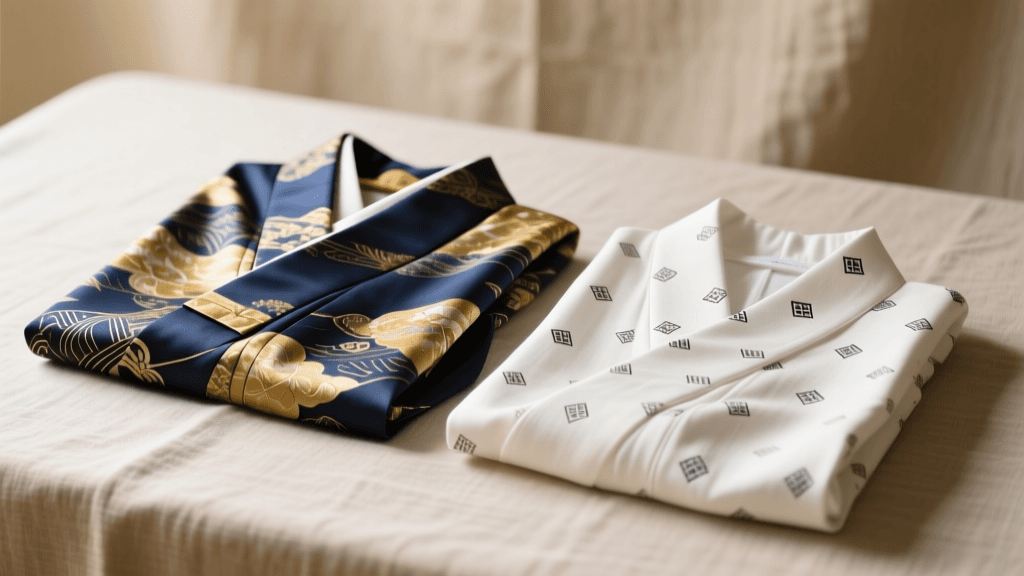
The landscape of Japanese traditional garments in 2026 is defined by a stark but beautiful duality. On one hand, we have the breathtaking, meticulously crafted ceremonial garments that serve as wearable art for life’s most significant milestones. On the other, a booming market of practical, everyday kimono designed for modern urban living, cafe-hopping, and casual cultural events. For both seasoned collectors and newcomers to Asian traditional fashion, understanding the divide between ceremonial and everyday wear is crucial for building a functional, stylish, and budget-conscious wardrobe.
In this comprehensive 2026 guide, we will dissect the differences between the premier ceremonial houmongi and the versatile, everyday komon, exploring current market pricing, textile innovations, and styling protocols.
The Ceremonial Standard: Houmongi and Furisode
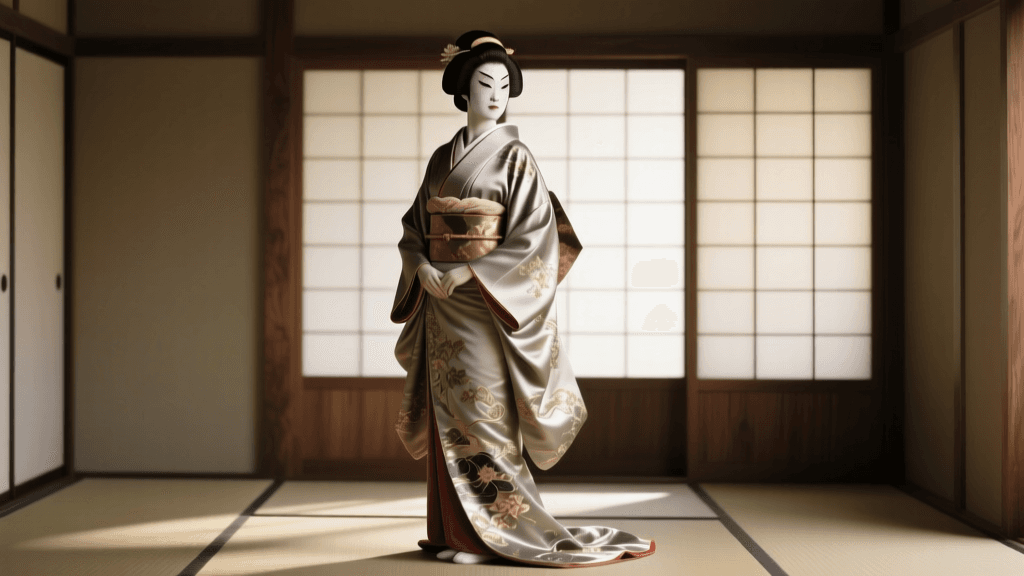
When discussing formal Japanese attire, the houmongi (visiting wear) and furisode (long-sleeved formal wear for unmarried women) sit at the pinnacle of the sartorial hierarchy. According to the Ministry of Economy, Trade and Industry (METI), the preservation of traditional dyeing techniques like Yuzen and Nishijin-ori remains a national priority, and these methods are predominantly reserved for high-end ceremonial garments.
Construction and Aesthetics
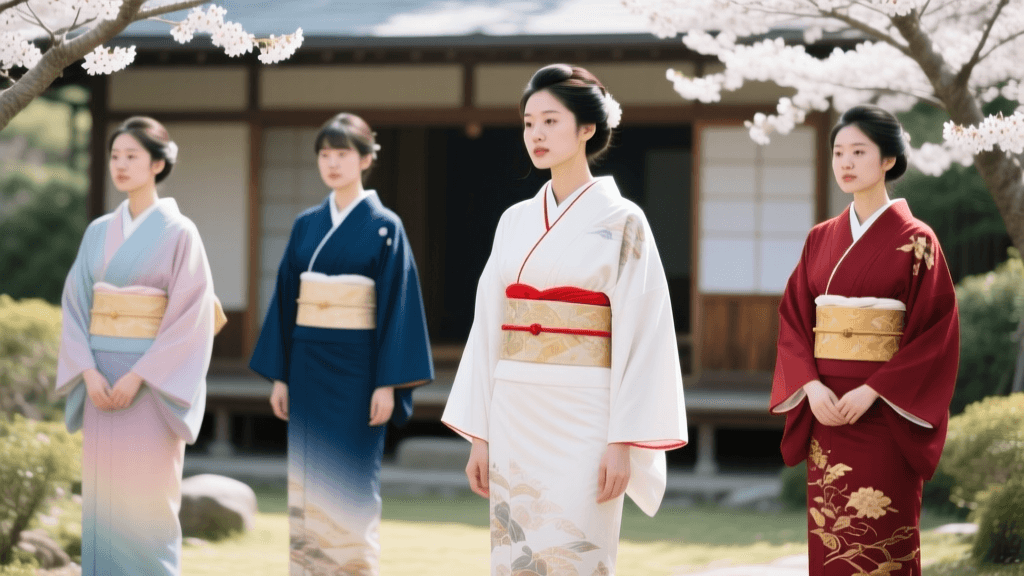
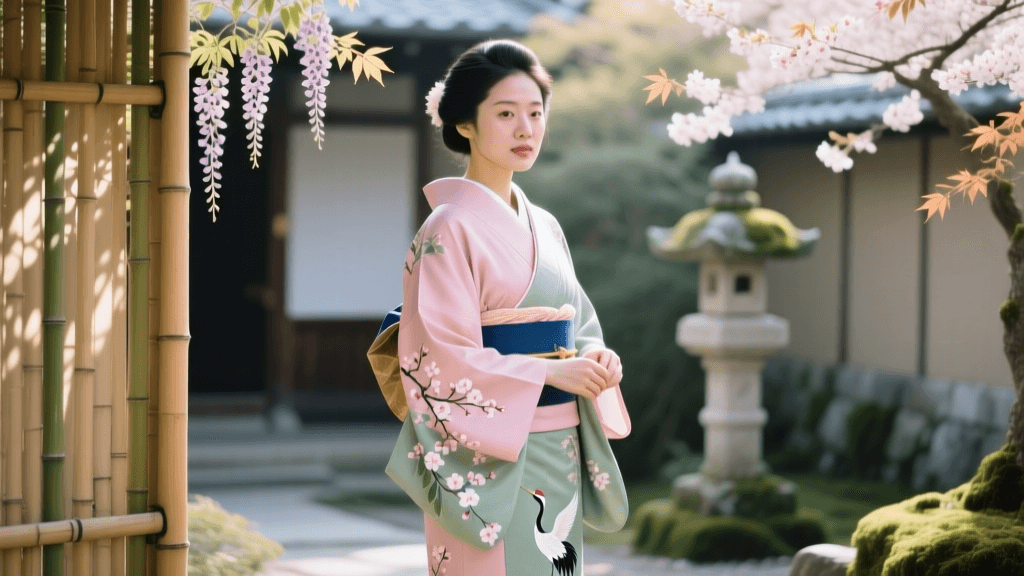
A true houmongi is characterized by its continuous, flowing patterns that cross the seams of the garment. When laid flat, the design forms a single, cohesive picture—often depicting seasonal motifs like autumn maple leaves, spring cherry blossoms, or abstract flowing water. In 2026, master artisans in Kyoto and Kanazawa are increasingly blending classical motifs with subtle, contemporary color palettes, such as muted sage greens and dusty rose, appealing to younger buyers attending modern weddings and tea ceremonies.
The 2026 Investment Cost
Ceremonial silk kimono are significant financial investments. A brand-new, custom-tailored houmongi made from premium Tamba silk with hand-painted Kyo-Yuzen dyeing typically ranges from ¥350,000 to ¥800,000 ($2,300 to $5,300 USD) in the 2026 market. Vintage or upcycled ceremonial pieces offer a more accessible entry point, often found in Tokyo’s Jimbocho district for ¥30,000 to ¥80,000, though they may require professional resizing.
The Everyday Revolution: Washable Komon and Tsumugi
While ceremonial wear commands respect, the everyday komon (fine pattern) and tsumugi (pongee silk) are the workhorses of the modern kimono wardrobe. The komon features small, repeating patterns across the entire fabric, making it suitable for casual outings, theater visits, and casual dining.
The Rise of High-Tech Washable Silks
The most significant shift in the 2026 Asian traditions market is the perfection of washable silk and high-density polyester blends. Historically, the fear of ruining expensive silk with a single drop of rain or soy sauce kept many from wearing kimono casually. Today, advanced textile engineering has produced 'Aura-Silk' and similar proprietary washable fabrics that mimic the luster, drape, and breathability of pure silk but can be safely machine-washed on a gentle cycle. As noted by the Japan National Tourism Organization (JNTO), the integration of modern textile technology with traditional silhouettes has been a major driver in the recent kimono renaissance among Gen Z and Millennial demographics.
Everyday Pricing and Accessibility
Everyday garments are vastly more affordable. A high-quality, machine-washable komon from popular modern brands like Washable Silk Kyoto or vintage cotton yukata styled for cooler months will cost between ¥15,000 and ¥45,000 ($100 to $300 USD). This accessibility allows enthusiasts to build a diverse, seasonal wardrobe without the anxiety of high maintenance costs.
2026 Feature Comparison Chart
To help you decide which garment suits your upcoming schedule, refer to this structured comparison of ceremonial and everyday options.
| Feature | Ceremonial (Houmongi / Furisode) | Everyday (Komon / Washable Silk) |
|---|---|---|
| Primary Occasions | Weddings, formal tea ceremonies, graduations | Cafe visits, casual festivals, museum trips |
| Fabric Types | 100% Pure Silk (Chirimen, Rinzu) | Washable Silk, Poly-blends, Cotton, Tsumugi |
| Pattern Style | Continuous, asymmetrical, hand-painted motifs | Small, repeating, symmetrical geometric/floral |
| Average 2026 Price | ¥350,000 - ¥800,000+ (New) | ¥15,000 - ¥45,000 (New/Retail) |
| Obi Pairing | Fukuro Obi (heavy, brocaded, formal) | Nagoya Obi or Hanhaba Obi (lighter, casual) |
| Maintenance | Professional dry cleaning (Maruarai) only | Home machine wash or spot clean |
Navigating the 2026 Market: Purchasing vs. Renting
A major trend solidifying in 2026 is the decoupling of ownership and ceremonial wear. Because a houmongi or kurotomesode (black formal kimono) might only be worn once or twice a decade, the rental market has become highly sophisticated. Premium rental boutiques in Ginza and Kyoto now offer 2026 collections featuring contemporary designer collaborations, allowing wearers to don a ¥600,000 garment for a weekend for roughly ¥15,000, complete with professional dressing services.
Conversely, the purchase market is heavily skewed toward everyday wear. Consumers are investing their capital in versatile komon and edokomon (micro-patterned) pieces that can be styled with modern accessories, leather obi belts, and even Western footwear like ankle boots, a styling hack that has dominated Harajuku and Daikanyama street fashion this year.
Styling and Accessories: Bridging the Gap
The formality of a kimono is not dictated by the garment alone; it is heavily influenced by the accessories. Understanding how to manipulate these elements is key to navigating Asian traditional fashion.
- The Obi (Sash): A ceremonial houmongi demands a fukuro obi, often woven with real gold or silver threads. An everyday komon is best paired with a nagoya obi (pre-folded for ease of tying) or a playful, reversible hanhaba obi.
- Obijime and Obiage: These are the decorative cord and silk scarf used to secure the obi. In 2026, 3D-printed obijime clasps and sustainably dyed obiage are popular for everyday wear, while ceremonial sets still rely on hand-braided Kumihimo silk cords.
- Footwear: Formal wear requires zori (flat sandals) with white or gold brocade straps and pristine white tabi socks. Everyday wear allows for geta (wooden clogs) or modern, elasticized tabi that accommodate bare feet or colorful socks in cooler months.
Care and Maintenance in 2026
The historical burden of kimono maintenance has been vastly reduced, provided you choose the right garment category. For pure silk ceremonial wear, the traditional maruarai (full garment washing) technique is still the gold standard. This involves a master artisan un-stitching the kimono, washing the fabric bolts in natural water, re-stretching, and re-sewing it. In 2026, this service costs upwards of ¥30,000 and takes several months.
For everyday washable komon, care is remarkably simple. Using a specialized silk-safe detergent and a mesh laundry bag, these garments can be washed on a delicate cycle with cold water. The 2026 iterations of washable textiles are treated to resist wrinkling, meaning they can be hung to dry in the shade and worn again the next day with minimal ironing. This low barrier to maintenance is precisely why everyday traditional garments are experiencing a global surge in popularity, as documented by international textile historians at institutions like the Victoria and Albert Museum.
Conclusion: Building a Balanced Wardrobe
The debate between ceremonial and everyday Asian traditional garments is not about choosing one over the other, but rather understanding their distinct roles in a modern wardrobe. The ceremonial houmongi remains a vital, breathtaking link to centuries of artisanal mastery, best accessed through the booming 2026 rental market or as a lifelong investment piece. Meanwhile, the everyday komon and washable silk innovations offer a practical, joyful, and sustainable way to integrate traditional Japanese aesthetics into daily life. By respecting the boundaries of formality while embracing modern textile advancements, today’s wearer can honor the past while living firmly in the present.