Kabuki Noh Bunraku Theater Kimono Costumes Guide 2026
The Intersection of Textile and Performance in 2026
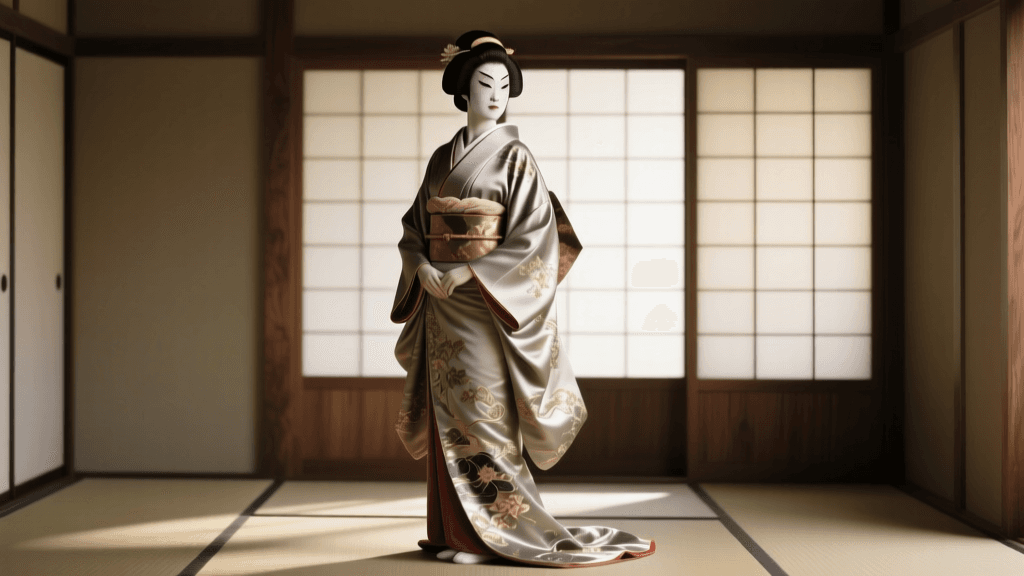
As we navigate the cultural landscape of 2026, the preservation of Japan’s classical performing arts has reached a fascinating intersection of ancient craftsmanship and modern conservation technology. At the heart of Kabuki, Noh, and Bunraku theater lies the kimono—not merely as clothing, but as a vital storytelling device, a marker of social status, and a masterpiece of textile engineering. For collectors, historians, and cultural enthusiasts, understanding the nuances of theatrical kimono (costumes) offers a profound glimpse into Japan's sartorial heritage. This comprehensive guide explores the distinct costume traditions of these three art forms, the current state of textile preservation, and how enthusiasts can engage with these masterpieces today.
Kabuki Costumes (Isho): Extravagance and Kinetic Design
Kabuki theater is renowned for its visual spectacle, and its costumes, known as isho, are designed to captivate audiences from the furthest seats of the theater. Unlike everyday kimono, Kabuki costumes are heavily padded, exaggerated in scale, and constructed to withstand the intense physical movements of the actors. The textiles primarily feature Nishijin-ori (Kyoto brocade), characterized by heavy metallic threads, bold motifs, and a substantial weight that can exceed 15 kilograms for leading roles.
The Mechanics of Hikinuki (Quick Change)
One of the most thrilling aspects of Kabuki is the hikinuki, or on-stage quick change. Costumes are meticulously basted with specialized threads that, when pulled by a stage assistant (koken), instantly release the outer layer to reveal a completely different kimono underneath. This technique symbolizes a sudden shift in a character's emotional state or supernatural transformation. In 2026, the Shochiku theatrical company has implemented AI-assisted thread tension analysis to ensure these quick changes occur flawlessly without damaging the fragile, century-old silk brocades during live performances.
Noh Theater (Shozoku): Subtlety, Masks, and Layering
In stark contrast to the bombast of Kabuki, Noh theater relies on subtlety, restraint, and the philosophical concept of yugen (profound grace). Noh costumes, or shozoku, are designed to interact with the muted lighting of the stage and the subtle movements of the actor. The garments are not tailored to the actor's body; instead, they are wrapped, folded, and padded to create a universal, sculptural silhouette that transcends gender and age.
Karaori and Surihaku Techniques
The pinnacle of Noh textile art is the karaori (Chinese-style weave), a thick, stiff brocade woven with silk and gold threads that mimics embroidery. Another critical technique is surihaku, where gold or silver leaf is pressed directly into the silk fabric, creating a luminous surface that catches the light as the actor glides across the stage. According to the National Theatre of Japan, the meticulous hand-weaving of karaori remains a protected intangible cultural asset, with master weavers in Kyoto taking up to six months to produce a single Noh robe.
Bunraku Puppetry: Miniature Masterpieces of Drape
Bunraku, the traditional Japanese puppet theater, presents a unique challenge in costume design. The puppets (ningyo) are roughly two-thirds the size of a human, yet their costumes must drape with the exact same gravity and fluidity as full-sized human garments. If the fabric is too light, it will look artificial; if it is too heavy, the three puppeteers manipulating the figure will be unable to execute delicate movements.
Scaling Nishijin and Yuzen for Puppets
To achieve this perfect drape, Bunraku costume artisans utilize custom-scaled Nishijin brocades and Yuzen dyed silks. The patterns are mathematically reduced so that the motifs remain proportionally accurate to the puppet's scale. In 2026, Osaka-based Bunraku troupes have collaborated with textile engineers to develop specialized silk-blend linings that provide the necessary visual weight while reducing the physical strain on the puppeteers' wrists during grueling, multi-hour performances.
Comparative Analysis: Kabuki vs. Noh vs. Bunraku
Understanding the functional differences between these theatrical garments is essential for collectors and historians. The table below outlines the core distinctions in design, weight, and modern preservation techniques across the three art forms.
| Feature | Kabuki (Isho) | Noh (Shozoku) | Bunraku (Ningyo Isho) |
|---|---|---|---|
| Primary Function | Visual spectacle, character exaggeration, and quick changes | Subtlety, light reflection, and sculptural silhouette creation | Scaled drape and proportional motif accuracy for puppet manipulation |
| Average Weight | 8 - 15 kg (heavily padded) | 5 - 10 kg (stiff brocades) | 2 - 4 kg (custom-weighted silk) |
| Key Textile Technique | Nishijin-ori, heavy metallic brocade, Hikinuki basting | Karaori, Surihaku (gold leaf), Matsuba (pine needle weave) | Micro-scaled Nishijin, Yuzen dyeing, weighted hemming |
| 2026 Preservation Tech | AI-assisted thread tension analysis for quick changes | Climate-controlled micro-vaults with argon gas flushing | 3D-scoped joint stress mapping to protect puppet armatures |
The Artisan Crisis and 2026 Preservation Initiatives
The creation of theatrical kimono relies on a highly specialized network of dyers, weavers, and embroiderers. As the master artisans of the Showa era retire, Japan has faced a critical shortage of successors capable of executing complex techniques like surihaku and hand-drawn Yuzen. Recognizing this threat, the Agency for Cultural Affairs significantly expanded its 2026 grant programs, offering financial subsidies to young apprentices in Kyoto and Kanazawa who commit to mastering traditional theatrical textile production.
Furthermore, major cultural institutions have embraced digital archiving. High-resolution, multi-spectral imaging is now being used to map the chemical composition of historical dyes used in Edo-period Kabuki costumes. This data allows conservators to create bespoke, historically accurate restoration threads when repairing garments damaged by centuries of stage use.
Sourcing and Collecting Theatrical Kimono
For serious collectors and textile enthusiasts, acquiring authentic theatrical kimono is a pursuit that requires deep knowledge and significant capital. Genuine Kabuki and Noh costumes rarely appear on the open market; they are typically held by theater families, guilds, or national museums. However, secondary markets, specialized antique dealers in Kyoto's Kamishichiken district, and high-end auction houses occasionally feature decommissioned pieces.
How to Identify Theatrical vs. Everyday Kimono
If you are evaluating a potential acquisition in 2026, look for these telltale signs of theatrical origin:
- Exaggerated Sleeve Lengths: Kabuki costumes for young female roles (musume) often feature furisode (swinging sleeves) that are significantly longer than standard everyday wear, sometimes trailing near the floor to emphasize dramatic movement.
- Specialized Linings and Padding: Theatrical garments are heavily lined, often with multiple layers of cotton or silk batting to build up the actor's silhouette. Everyday kimono lack this structural padding.
- Theatrical Crests (Jimon): Instead of family crests (kamon), theatrical kimono often feature role-specific or actor-specific crests, such as the gyoyo (apricot leaf) or stylized theatrical motifs woven directly into the Nishijin brocade.
- Hikinuki Thread Remnants: Examine the shoulder and side seams of Kabuki pieces for small loops of heavy basting thread, which are essential for on-stage quick changes.
Experiencing the Craft as a Cultural Traveler
For those who wish to witness the majesty of these garments in person, 2026 offers unprecedented access to behind-the-scenes exhibitions. The Japan National Tourism Organization has recently promoted specialized cultural itineraries that include visits to the Shochiku Costume Museum in Kyoto and the National Bunraku Theatre's public workshops in Osaka. These venues allow visitors to observe the meticulous kitsuke (dressing) process and view the intricate embroidery up close.
Preservation Advice for Private Collectors
If you are fortunate enough to own a piece of theatrical textile history, proper preservation is paramount. The heavy metallic threads in Nishijin-ori and the delicate gold leaf in surihaku are highly susceptible to humidity and friction.
- Storage: Always store theatrical kimono flat in custom-fitted kiri (paulownia wood) boxes. Paulownia naturally regulates humidity and repels insects.
- Climate Control: Maintain a storage environment at exactly 20°C (68°F) with a relative humidity of 50%. Fluctuations in humidity will cause the metallic threads to tarnish and the silk warp to contract, tearing the gold leaf.
- Handling: Never handle surihaku or heavily embroidered pieces with bare hands. The natural oils and salts from human skin will permanently degrade the metallic adhesives. Use clean, white cotton gloves and support the garment's full weight from underneath to prevent stress on the shoulder seams.
Conclusion
The kimono of Kabuki, Noh, and Bunraku are far more than stage attire; they are kinetic sculptures, historical documents, and the pinnacle of Japanese textile artistry. As we move through 2026, the blend of ancestral weaving techniques and cutting-edge preservation technology ensures that these magnificent garments will continue to breathe life into Japan's classical theater for generations to come. Whether you are a collector seeking a rare karaori robe or a theatergoer marveling at a Kabuki quick change, the world of theatrical kimono offers an endless tapestry of beauty and engineering to explore.