Kimono Milestones 2026: Shichi-Go-San to Kanreki Guide
Navigating Japanese Kimono Milestones in 2026
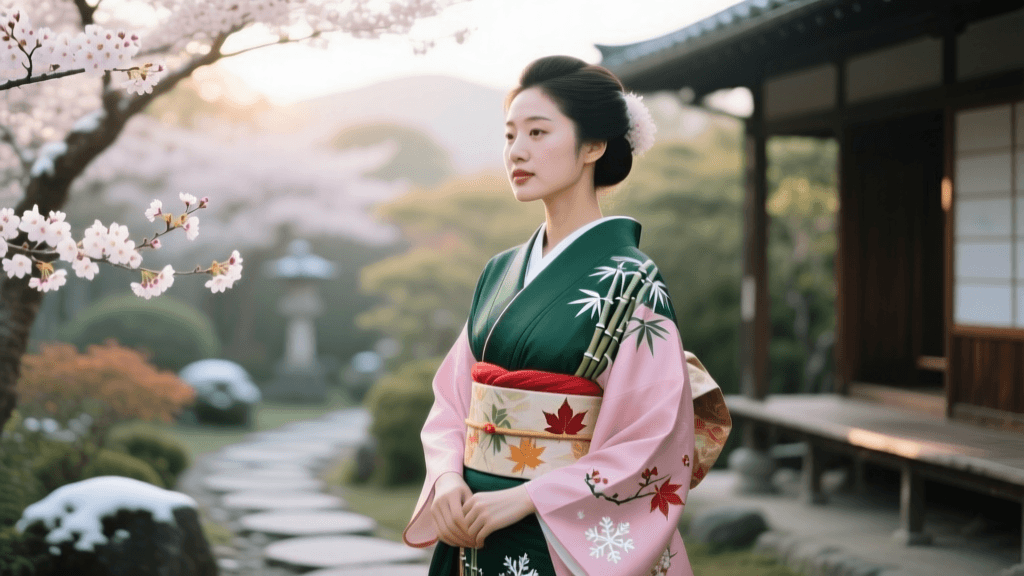
The kimono is far more than a beautiful garment; it is a deeply woven tapestry of Japanese cultural identity, marking the most significant transitions in a person's life. As we navigate through 2026, the intersection of heritage and modern convenience has transformed how families and individuals approach traditional dress. According to the Japan National Tourism Organization (JNTO), traditional garments remain a cornerstone of cultural preservation, even as the industry embraces sustainable textiles and digital fitting technologies. In 2026, AI-driven body scanning in Kyoto and Tokyo boutiques has made bespoke and rental fittings more precise than ever, ensuring that the complex art of kitsuke (kimono dressing) is accessible to a new generation.
From the tender years of childhood to the golden jubilee of later life, specific garments are mandated by tradition for key milestones. Understanding these requirements, along with the current 2026 market trends, rental costs, and styling nuances, is essential for anyone looking to honor these life stages authentically. As noted in Britannica's comprehensive guide to the kimono, the garment's structure and motifs are intrinsically linked to the wearer's age, marital status, and the specific ceremony being observed.
Shichi-Go-San (Ages 3, 5, 7): The First Cultural Milestone
Held annually on November 15th, Shichi-Go-San (literally "Seven-Five-Three") is a rite of passage celebrating the growth and health of young children. The historical roots of this children's festival are well documented by Britannica's Shichi-Go-San archives, originating in the Heian period when aristocratic families celebrated their children surviving past infancy. Today, it remains one of the busiest seasons for kimono rentals and photography studios across Japan.
Garment Specifications for Children
- Three-Year-Old Girls: Typically wear a standard kimono paired with a hifu, a padded silk vest that eliminates the need for a complex, tightly tied obi. This ensures the child remains comfortable throughout the shrine visit.
- Five-Year-Old Boys: Dress in a formal hakama (pleated trousers) and a haori (jacket), often adorned with family crests (kamon) and motifs of eagles, samurai helmets, or dragons to symbolize strength and courage.
- Seven-Year-Old Girls: Transition to a more adult-like kimono silhouette, wearing a real obi tied in a decorative knot at the back, alongside zori sandals and tabi socks.
In 2026, the average cost for a full-day Shichi-Go-San rental package—including dressing, hair styling, and professional photography—ranges from ¥18,000 to ¥35,000 per child. A major trend this year is the use of antimicrobial, breathable silk blends for the inner juban (undergarments), addressing parental concerns about comfort and hygiene during long autumn shrine visits.
Seijin-shiki (Age 20): The Coming of Age Ceremony
Seijin-shiki, celebrated on the second Monday of January, marks the transition into legal adulthood. For young women, this is arguably the most visually spectacular kimono milestone, centered around the furisode. The furisode is characterized by its long, swinging sleeves, which historically served to ward off evil spirits and signal that the wearer was unmarried and of age.
2026 Furisode Trends and Styling
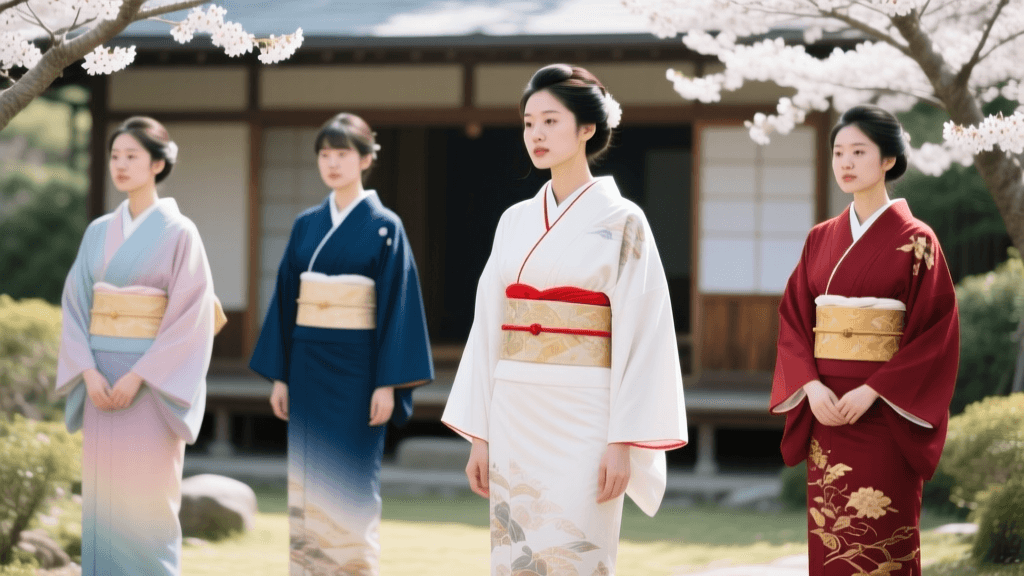
The furisode market in 2026 has seen a massive shift toward "Neo-Classical" aesthetics. While traditional yuzen dyeing techniques remain highly prized, young adults are increasingly selecting garments that blend classic Edo-period motifs (like cranes, pine trees, and flowing water) with subtle metallic threading and contemporary color palettes. Dusty pastels, deep jewel tones, and gradient-dyed (bokashi) fabrics are dominating the January ceremonies this year.
There are three sleeve lengths to consider:
- O-furisode (Large): Sleeves measuring 114cm or more. This is the most formal and popular choice for Seijin-shiki in 2026, creating a dramatic, elegant silhouette.
- Chu-furisode (Medium): Sleeves measuring around 100cm. A practical alternative that offers a balance of formality and ease of movement.
- Ko-furisode (Small): Sleeves measuring around 85cm. Rarely used for Coming of Age ceremonies today, reserved more for informal parties.
Rental packages for a full furisode ensemble in 2026 average between ¥45,000 and ¥90,000. Due to the high demand in January, booking a salon and rental boutique must be done at least six to eight months in advance.
Kekkon-shiki: Traditional Japanese Wedding Attire
While Western-style white gowns are common in Japan, the traditional Shinto wedding (shinzen shiki) requires specific, highly formal kimono. The bride typically undergoes multiple outfit changes, each carrying profound symbolic weight.
The Bridal Trousseau
- Shiromuku: The pure white wedding kimono worn during the actual shrine ceremony. White symbolizes purity and the bride's willingness to be "dyed" in the colors of her new family. In 2026, brides are favoring shiro-ori (white-on-white woven patterns) featuring subtle phoenix and peony motifs that catch the light beautifully in photography.
- Iro-uchikake: A heavily padded, colorful outer robe worn over a base kimono for the reception. Red remains a classic choice for its auspicious connotations, but deep emerald greens and royal purples with gold leaf (surihaku) applications are highly sought after this year.
The groom wears a formal black montsuki haori hakama featuring five family crests. Purchasing a bespoke bridal kimono ensemble in 2026 can cost anywhere from ¥800,000 to over ¥3,000,000, making high-end rentals (averaging ¥250,000 to ¥400,000 for the day) the most practical and popular route for modern couples.
Kanreki (Age 60): The Red Jubilee Celebration
Kanreki celebrates a person's 60th birthday, marking the completion of a full 60-year cycle in the traditional sexagenary calendar. The traditional color for Kanreki is red (aka), symbolizing rebirth, vitality, and a return to infancy.
Historically, the celebrant would wear a red chanchanko (a padded sleeveless vest) over a kimono. However, 2026 styling has evolved significantly. Modern 60-year-olds often find bright, flat red to be overwhelming. Today's market offers sophisticated alternatives, such as deep burgundy, crimson, and plum-colored tomesode (formal patterned kimono) or elegant edo-komon (fine-patterned kimono) with red undertones. This allows the wearer to honor the tradition of the "red jubilee" while maintaining a chic, age-appropriate elegance. A high-quality silk Kanreki kimono purchase typically ranges from ¥150,000 to ¥300,000.
2026 Kimono Milestone Comparison Chart
| Life Milestone | Age / Occasion | Primary Garment | 2026 Avg. Rental Cost | Key Motifs & Features |
|---|---|---|---|---|
| Shichi-Go-San | Ages 3, 5, 7 | Hifu / Hakama / Obi | ¥18,000 - ¥35,000 | Cranes, pine, eagles, padded vests for toddlers |
| Seijin-shiki | Age 20 | O-furisode | ¥45,000 - ¥90,000 | Long swinging sleeves, floral, metallic threading |
| Kekkon-shiki | Wedding Day | Shiromuku / Iro-uchikake | ¥250,000 - ¥400,000 | Phoenix, peonies, white-on-white weaving, gold leaf |
| Kanreki | Age 60 | Tomesode / Edo-komon | ¥30,000 - ¥60,000 | Crimson/burgundy hues, subtle geometric patterns |
Actionable Advice: Booking and Styling for 2026
Navigating the kimono rental and purchase landscape requires foresight, especially for peak seasons. Here are essential tips for 2026:
- Embrace Digital Fitting: Many top-tier boutiques in Ginza and Gion now offer AR (Augmented Reality) mirrors. Use this technology to preview how different obi knots and collar depths look on your specific body type before committing to a physical fitting.
- Invest in Quality Undergarments: Even if you rent the outer kimono, purchase your own susoyoke (slip) and hadajuban (under-kimono) in 2026's breathable, moisture-wicking synthetic silks. This ensures hygiene and drastically improves the comfort of the heavy outer layers.
- Understand the Collar Rule: For all formal milestones, the back of the collar (eri) must be pulled down to expose the nape of the neck. In 2026, the trend favors a moderate drop (about one fist's width) rather than the extreme, geisha-style drop of previous decades, offering a more natural and elegant neckline.
- Footwear Sizing: Traditional zori and geta are sized differently than Western shoes. In 2026, it is recommended to select a sandal size that is slightly smaller than your foot, allowing the heel to overhang by about half an inch. This prevents the hem of the kimono from catching on the footwear while walking.
"The kimono is not merely clothing; it is an architectural structure that shapes the wearer's posture, movement, and mindset, anchoring them to the generations that came before." — Traditional Garment Preservation Society, 2026 Annual Report
Conclusion
Whether you are dressing a toddler for their first shrine visit, stepping into adulthood with a sweeping furisode, walking down the aisle in a pristine shiromuku, or celebrating a vibrant 60th birthday, the kimono remains Japan's most powerful sartorial storyteller. By understanding the specific requirements, modern 2026 trends, and practical logistics of each life stage, you can ensure that these monumental milestones are honored with both historical reverence and contemporary grace.