Eco-Friendly Japanese Natural Dye Plants Guide 2026
The Renaissance of Kusaki-zome in 2026
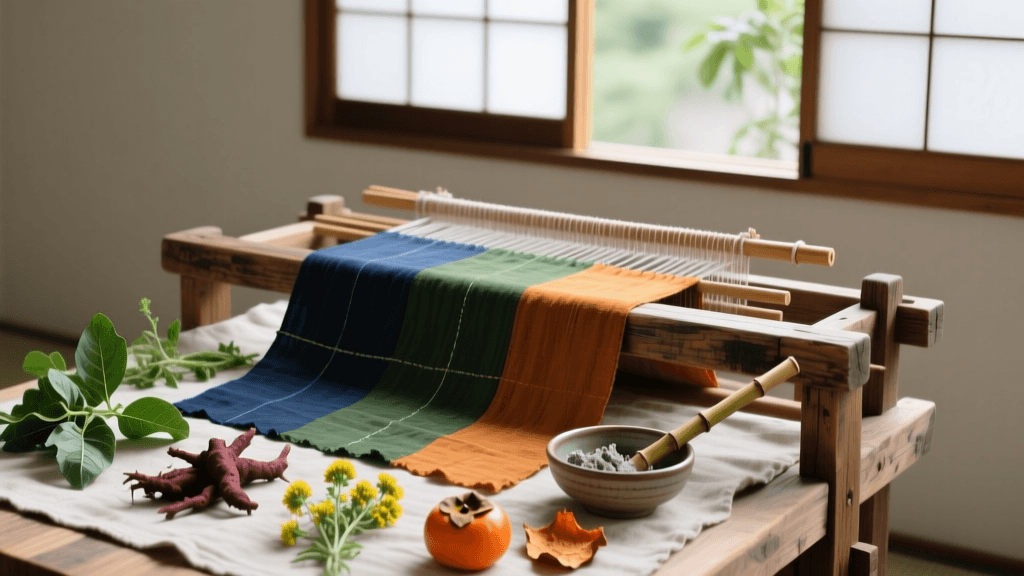
As the global textile industry faces increasing scrutiny over its environmental footprint, the ancient Japanese art of Kusaki-zome (草木染め), or natural plant dyeing, has experienced a profound renaissance. In 2026, artisans, fashion designers, and hobbyists are moving beyond the aesthetic appeal of botanical colors to embrace the deep sustainability and regenerative potential of Japanese dye plants. Unlike synthetic dyes, which rely on petrochemicals and release toxic effluents into waterways, Kusaki-zome utilizes renewable flora, biodegradable mordants, and closed-loop water systems.
The philosophy of Kusaki-zome is inherently tied to the Japanese concept of Shinrin-yoku (forest bathing) and seasonal awareness. However, the modern 2026 practitioner approaches this craft through the lens of ecological stewardship. By sourcing plants from regenerative agriculture, utilizing food waste, and employing zero-waste mordanting techniques, today’s dyers are proving that traditional Asian garment practices can lead the charge in sustainable fashion.
Top Japanese Dye Plants for Sustainable Textiles
Selecting the right plant material is the first step in eco-friendly dyeing. The most revered Japanese dye plants not only yield magnificent, lightfast colors but also offer unique ecological benefits when cultivated responsibly. Below is a comprehensive guide to the primary botanicals used in modern sustainable studios.
| Plant Name (Japanese) | Botanical Name | Color Yield | Eco-Benefit & Sustainability Profile | Best Fiber Type |
|---|---|---|---|---|
| Ai (Japanese Indigo) | Persicaria tinctoria | Deep Blues | Nitrogen-fixing; improves soil health for crop rotation. | Cellulose (Cotton, Hemp, Linen) |
| Kihada (Amur Cork Tree) | Phellodendron amurense | Vibrant Yellows | Bark can be harvested from pruned branches without felling the tree. | Protein (Silk, Wool) |
| Suo (Sappanwood) | Biancaea sappan | Reds, Pinks, Purples | Utilizes heartwood from sustainable forestry byproducts and fallen trees. | Protein & Cellulose |
| Tamasugi (Onion Skins) | Allium cepa | Oranges, Golds, Browns | 100% Zero-waste upcycling of culinary food scraps. | Cellulose & Protein |
| Kurubami (Black Acorn) | Quercus acutissima | Charcoal, Deep Greys | Foraged from forest floors; supports local wildlife ecosystems. | Cellulose (requires iron modifier) |
Deep Dive: Ai (Japanese Indigo) and Regenerative Agriculture
In 2026, the cultivation of Persicaria tinctorium in Tokushima Prefecture has become a model for regenerative agriculture. Unlike synthetic indigo, which is derived from aniline and heavily pollutes local ecosystems, natural Ai is grown in rotation with rice and vegetables. The plant's deep roots prevent soil erosion, and its leaves are fermented into sukumo (dried indigo compost). The remaining stems and fermentation byproducts are returned to the earth as nutrient-rich compost, creating a truly circular agricultural loop.
Eco-Friendly Mordanting: Moving Beyond Heavy Metals
A critical challenge in natural dyeing is colorfastness. Historically, dyers relied on heavy metal mordants like chrome, tin, and copper to bind dye molecules to fibers. However, these metals are toxic to aquatic life and pose health risks to artisans. The 2026 standard for eco-friendly Kusaki-zome strictly avoids heavy metals, opting instead for bio-based and mineral-safe alternatives.
Soy Milk (Go) as a Protein Binder
Cellulose fibers like cotton and hemp lack the natural protein sites that attract plant dyes. To bridge this gap, modern dyers use soy milk. The proteins in soy milk coat the cellulose fiber, creating a receptive surface for dye molecules. 2026 Best Practice: Use a ratio of 1 part organic, unsweetened soy milk to 5 parts water. Soak the scoured fabric for 24 hours, then air dry completely before dyeing. This method is entirely biodegradable and leaves the fabric with a beautifully soft hand-feel.
Wood Ash Lye (Akumizu)
Instead of using commercially synthesized soda ash or harsh alkaline chemicals, traditional Japanese dyers create akumizu by leaching water through the ashes of hardwood trees (like oak or camellia). This not only provides the necessary alkalinity for indigo vats but also repurposes waste from winter heating and traditional pottery kilns. According to experts at Maiwa, properly aged wood ash lye provides a complex mineral profile that can actually enhance the depth and bloom of botanical colors compared to synthetic alkalis.
Bio-Alum and Recycled Aluminum
When a metallic mordant is absolutely necessary for bright yellows or reds (such as with Kihada or Suo), eco-conscious studios in 2026 are turning to recycled aluminum acetate or bio-alum derived from bauxite refining byproducts that are captured and repurposed, rather than newly mined. This significantly reduces the carbon footprint associated with traditional alum extraction.
Step-by-Step: Building a Zero-Waste Ai (Indigo) Vat
Maintaining a living indigo vat is a cornerstone of Japanese textile traditions. A well-cared-for vat can last for years, dyeing thousands of garments while producing zero toxic waste. Here is how to build a sustainable sukumo vat using 2026 eco-methods.
- Sourcing the Sukumo: Purchase certified organic sukumo from Tokushima. Ensure the farmer uses natural pest control and no synthetic fertilizers.
- The Alkaline Agent: Prepare your akumizu (wood ash lye) at least a week in advance. The ideal pH for a Japanese indigo vat is between 11.0 and 11.5.
- The Reducing Agent: To remove oxygen from the vat and make the indigo soluble, use sake (rice wine) or komon (wheat bran). These natural carbohydrates feed the bacteria that maintain the vat's reduction state.
- Temperature Control: The bacteria thrive at roughly 50°C (122°F). In modern studios, solar-powered thermal blankets and insulated vat jackets are used to maintain this temperature without relying on continuous electric heating.
- Oxidation and Rinsing: After dipping the fabric, expose it to the air to oxidize the color from yellow-green to deep blue. Rinse in a closed-loop water system where the slightly alkaline runoff is neutralized with citrus peels or mild citric acid before being used to irrigate non-edible garden plants.
Closed-Loop Water Systems for the Modern Artisan
Water consumption is a major concern in any dyeing process. In 2026, leading Kusaki-zome studios have adopted closed-loop water filtration systems. After the dye bath is exhausted, the remaining liquid is passed through bio-char and mycelium filters. These organic filters capture residual tannins and plant particulates. The filtered water is then reused for scouring new fabrics or watering the very plants that will be used in the next dye cycle.
Furthermore, the exhausted plant matter from dye extraction (such as spent Suo woodchips or boiled onion skins) is never sent to landfills. Instead, it is composted or pressed into bio-briquettes for fuel, ensuring that every part of the plant is honored and utilized. As highlighted by the educational resources at Botanical Colors, the true mark of sustainable natural dyeing is not just the origin of the pigment, but the end-of-life plan for the botanical waste and the water used in the process.
Sourcing and Supporting Traditional Artisans
The sustainability of Kusaki-zome also encompasses economic and cultural sustainability. The artisans who ferment sukumo, harvest Kihada bark, and maintain centuries-old dyeing techniques are vital cultural treasures. In 2026, ethical sourcing means buying directly from cooperatives in Japan that support aging artisans and fund apprenticeships for the next generation. By paying a premium for ethically foraged and cultivated dye materials, the global textile community helps preserve these fragile rural economies.
Conclusion: The Future is Botanical
The integration of Japanese natural dye plants into modern, eco-friendly textile practices represents a harmonious blend of ancient wisdom and contemporary environmental science. By embracing regenerative agriculture, zero-waste mordanting, and closed-loop studio practices, the art of Kusaki-zome offers a viable, scalable alternative to the toxic synthetic dye industry. As we look toward the future of fashion and traditional garments, the vibrant, living colors of Ai, Kihada, and Suo remind us that true beauty is inherently tied to the health of our planet. For further historical context on how these botanical pigments shaped global trade and art, the V&A Museum's extensive archives on natural dyes provide a fascinating look into the enduring legacy of plant-based color.