Top Hanfu Education and Certification Programs 2026
The Professionalization of Hanfu: Why Certification Matters in 2026
The global Hanfu renaissance has evolved far beyond a niche internet hobby. As of 2026, traditional Chinese clothing is a multi-billion-dollar sector encompassing cultural tourism, film and television production, high fashion, and specialized wedding services. With this explosive growth, the demand for historically accurate styling, authentic textile knowledge, and professional draping techniques has skyrocketed. Enthusiasts and industry professionals alike are now turning to formal Hanfu education workshops and certification programs to validate their expertise and stand out in a competitive market.
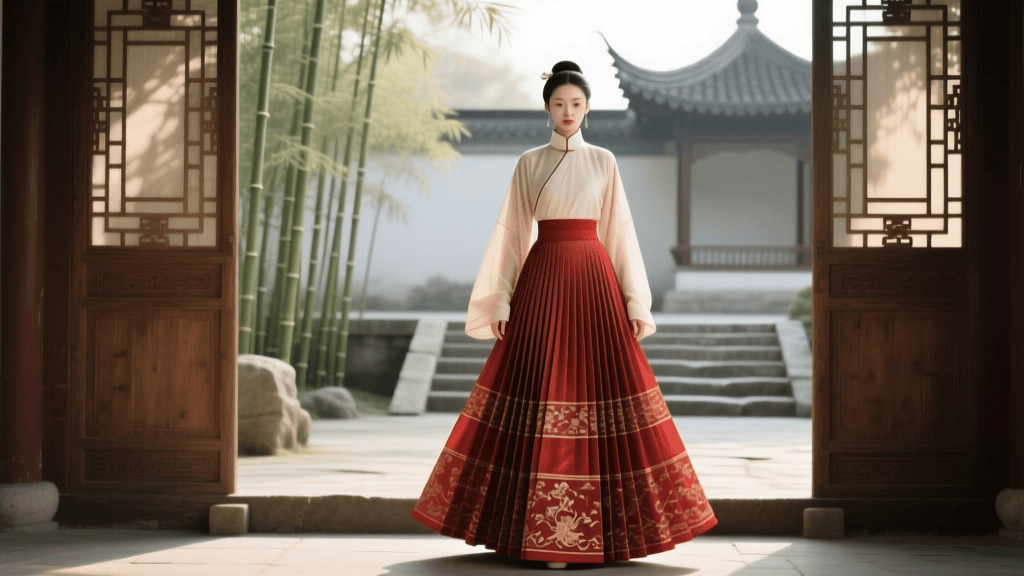
Whether you are an aspiring costume consultant for period dramas, a boutique owner specializing in Ming dynasty Mamianqun (horse-face skirts), or a cultural educator, obtaining a recognized certification in 2026 is the gold standard for credibility. These programs bridge the gap between historical research and modern application, ensuring that the profound heritage of Chinese dress is preserved and presented with absolute accuracy.
Top Hanfu Education and Certification Programs in 2026
Navigating the landscape of traditional garment education can be overwhelming. Below, we review the most prestigious and comprehensive Hanfu certification programs available this year, ranging from intensive in-person workshops in China to globally accessible digital masterclasses.
1. China Silk Museum Traditional Textile & Dress Workshops
Located in Hangzhou, the China Silk Museum remains the premier institution for understanding the foundation of Hanfu: the fabric itself. Their 2026 certification track focuses heavily on textile identification, historical weave structures, and the conservation of antique garments. Students learn to differentiate between authentic Xiangyunsha (gambiered Canton gauze) and modern synthetic imitations, a critical skill for high-end Hanfu stylists and curators. The museum's workshops also emphasize the intangible cultural heritage of silk production, aligning with global preservation standards recognized by UNESCO's Intangible Cultural Heritage initiatives.
2. Beijing Institute of Fashion Technology (BIFT) Heritage Certificate
For those seeking an academic and design-oriented approach, the Beijing Institute of Fashion Technology offers a rigorous Heritage Fashion Certificate. This program is ideal for fashion designers who want to integrate traditional flat-cutting techniques and historical silhouettes into contemporary collections. The 2026 curriculum includes advanced modules on 3D digital draping using CLO 3D software, allowing students to simulate the drape of heavy Song brocades and lightweight Tang silks before cutting physical fabric. This fusion of ancient tailoring and modern technology makes BIFT graduates highly sought after in the global fashion industry.
3. Donghua University Online Hanfu History & Draping Masterclass
Donghua University in Shanghai offers a comprehensive online certification that caters to international students and working professionals. The program is divided into three core eras: the structural elegance of the Tang dynasty, the minimalist refinement of the Song dynasty, and the ornate layering of the Ming dynasty. The online format includes mailed physical toolkit packages—containing bamboo rulers, silk-weighted pins, and traditional pattern-drafting paper—ensuring that remote students receive hands-on draping experience.
2026 Hanfu Certification Programs Comparison Chart
To help you choose the right path, we have compiled a detailed comparison of the top three certification programs available this year.
| Institution | Program Name | Format | Duration | 2026 Tuition (USD) | Core Focus |
|---|---|---|---|---|---|
| China Silk Museum | Textile & Conservation Certificate | In-Person (Hangzhou) | 4 Weeks | $2,800 | Weave identification, natural dyeing, garment conservation |
| Beijing Institute of Fashion Technology | Heritage Design & Styling Diploma | Hybrid (Beijing/Online) | 12 Weeks | $4,500 | Flat-pattern drafting, 3D digital simulation, historical silhouettes |
| Donghua University | Global Hanfu History Masterclass | 100% Online | 8 Weeks | $1,200 | Dynasty-specific styling, draping techniques, cultural theory |
Core Curriculum: What to Expect in a 2026 Workshop
While each institution has its unique strengths, a reputable Hanfu certification program in 2026 will cover several foundational pillars. Understanding these elements is crucial for anyone looking to turn their passion into a profession.
Textile Identification and Weave Structures
A true Hanfu expert must understand the canvas before the cut. Workshops dedicate significant time to studying traditional weaves such as Luo (gauze), Jin (brocade), and Duan (satin). Students learn how the physical properties of these fabrics dictate the drape of a garment. For instance, understanding the stiffness of Zhuanghua (brocade with discontinuous wefts) is essential when constructing a formal Ming dynasty Aoqun (jacket and skirt ensemble).
Period-Specific Draping and Silhouette Architecture
Hanfu is fundamentally different from Western tailoring; it relies on flat-cutting and the natural drape of the fabric over the body rather than structured darts and seams. Certification programs teach the precise mathematical ratios used in traditional pattern drafting. You will learn how to calculate the correct sleeve widths for a Tang dynasty Dashan (large-sleeved robe) or the exact pleating intervals required for a 12-pleat Song dynasty Baidie skirt.
Color Theory and Natural Dyeing Techniques
Historical accuracy extends to color palettes. Advanced workshops include modules on traditional Chinese color theory, rooted in the Five Elements philosophy. Furthermore, with the 2026 industry push toward sustainability, many programs now feature hands-on natural dyeing labs. Students experiment with indigo, madder root, and pagoda tree buds to recreate the exact muted, organic tones seen in excavated historical textiles.
Essential Toolkit for Hanfu Students
If you are enrolling in a certification program this year, you will need to assemble a professional toolkit. While digital tools are increasingly prevalent, traditional hand-skills remain mandatory for certification. Expect to invest in the following:
- Traditional Bamboo Rulers and French Curves: Essential for drafting the sweeping, curved collars and lapels of Jiaoling Youren (cross-collar right-lapel) garments.
- Silk-Weighted Pins and Glass Weights: Standard metal pins can snag delicate historical silks; weighted glass or specialized smooth pins are required for draping sessions.
- CLO 3D Software License: The industry standard for 2026 digital garment simulation, allowing students to test historical drape physics virtually.
- Swatch Books of Heritage Textiles: Curated binders containing authentic samples of Xiangyunsha, Song brocade, and raw silks for tactile reference and client presentations.
Career Opportunities for Certified Hanfu Professionals
Graduating from a recognized Hanfu education program opens doors to a variety of lucrative and culturally significant career paths. In 2026, the job market for heritage fashion specialists includes:
- Film and Television Wardrobe Consultant: Ensuring historical accuracy in period dramas, a role that commands high daily rates on major streaming productions.
- Cultural Tourism Director: Designing authentic Hanfu experiences, rental protocols, and educational tours for major historical sites and museums.
- Heritage Bridal Stylist: Specializing in traditional Chinese wedding attire, guiding couples through the complex layering and color symbolism of Ming and Tang wedding ensembles.
- Textile Conservation Assistant: Working alongside museums to properly store, display, and restore fragile antique garments.
How to Choose the Right Program for Your Goals
When selecting a Hanfu certification program in 2026, consider your end goal. If you wish to work in museum conservation or high-end textile authentication, the in-person, tactile experience at the China Silk Museum is unparalleled. If you are a modern fashion designer looking to launch a heritage-inspired label, BIFT's hybrid program offers the perfect blend of historical theory and digital design application. For global enthusiasts, educators, and stylists who need a strong foundational knowledge of dynasty-specific rules without relocating, Donghua University's online masterclass provides the best return on investment.
Ultimately, investing in a formal Hanfu education is an investment in cultural preservation. As the global appreciation for traditional Asian garments continues to grow, certified professionals will be the vital guardians of this living history, ensuring that every pleat, collar, and thread honors the centuries of craftsmanship that came before it.