Kunqu Opera Hanfu & Water Sleeve Costumes Guide 2026
The intersection of historical Hanfu and traditional Chinese performing arts represents one of the most visually stunning cultural expressions in Asia. In 2026, the global revival of traditional Chinese theater has reached a fever pitch, with a new generation of performers, scholars, and enthusiasts seeking hyper-authentic stage garments. While historical Hanfu refers to the everyday and ceremonial clothing of the Han people across various dynasties, theatrical costumes—known as Xifu—are highly stylized adaptations of these historical garments, specifically engineered for the dynamic movements of Peking Opera and Kunqu.
As recognized by UNESCO's Intangible Cultural Heritage listings, Kunqu is widely considered the "mother of all Chinese operas." Originating in the Ming Dynasty, its costumes heavily reflect the elegant, flowing silhouettes of Ming-era Hanfu, albeit exaggerated for the stage. This comprehensive 2026 guide explores the essential garments of Kunqu and Peking Opera, how to source authentic theatrical Hanfu today, and the precise techniques required to master the iconic water sleeves.
The Evolution of Stage Hanfu: From Ming Dynasty to 2026 Stages
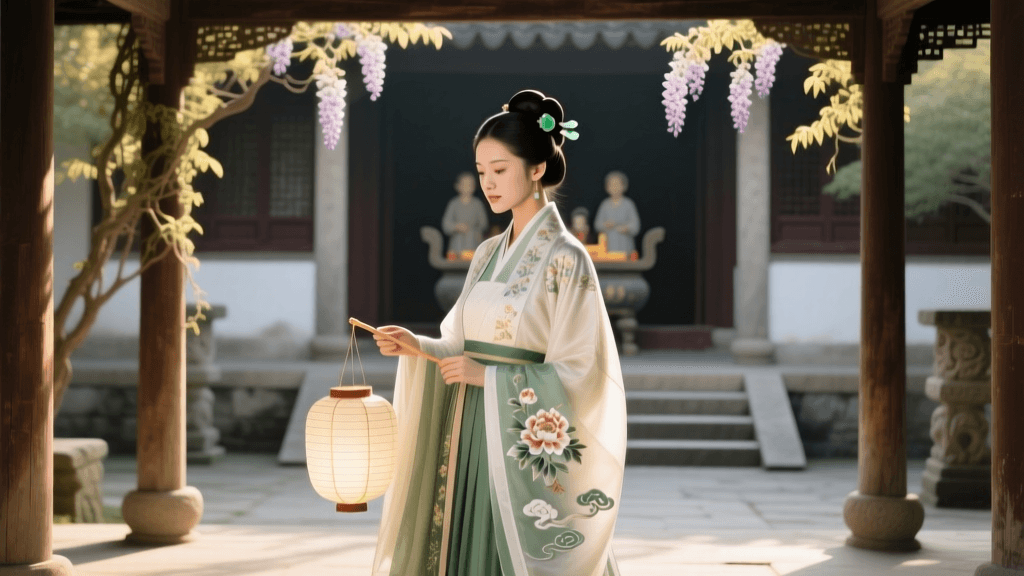
Historically, Chinese opera costumes were not strict historical replicas. They were amalgamations of Ming and Qing dynasty clothing, designed to communicate a character's social status, personality, and profession from the back row of a crowded teahouse. However, the 2026 performance season has seen a massive shift toward historical accuracy blended with traditional theatricality. Modern Kunqu troupes are increasingly collaborating with heritage silk weavers in Suzhou and Hangzhou to recreate authentic Ming-style Jiaoling Youren (cross-collar, right lapel) structures, utilizing period-accurate loom widths and natural plant dyes, before applying the exaggerated theatrical embellishments required for the stage.
According to theatre historians documented in Britannica's comprehensive guide to Kunqu, the stylized movements of the opera rely entirely on the physical properties of the garments. The weight of the silk, the stiffness of the embroidered borders, and the length of the sleeves dictate the choreography. Therefore, sourcing the correct theatrical Hanfu is not merely an aesthetic choice; it is a fundamental requirement for the performer's kinetic expression.
Core Garments of Kunqu and Peking Opera
To build a proper theatrical Hanfu wardrobe for traditional performing arts in 2026, one must understand the foundational garments that define the stage.
The Mang Robe (蟒袍)
The Mang robe is the pinnacle of theatrical Hanfu, worn exclusively by emperors, high-ranking officials, and generals. It features a round collar, side slits, and is heavily embroidered with python (mang) motifs, which are stylized dragons with four claws instead of five. In 2026, authentic hand-embroidered Suzhou silk Mang robes are considered investment pieces. The gold and silver thread work, known as Panjin, is now often combined with AI-assisted pattern drafting to ensure perfect symmetry before master artisans execute the final hand-stitching.
The Xuezi (褶子)
The Xuezi is the informal robe worn by scholars, gentlemen, and sometimes martial artists in disguise. It features a cross-collar and wide sleeves. For Kunqu scholars (the Sheng roles), the Xuezi is typically made of soft silk crepe in subdued colors like azure, celadon, or plum, allowing for graceful, fluid movements during romantic or poetic scenes.
The Pifeng (披风)
Often worn by female leads (Dan roles) over an inner jacket and skirt (Aoqun), the theatrical Pifeng is an open-front cloak with a standing collar and dramatic side slits. In 2026, the trend for Dan role Pifengs leans heavily into intricate floral embroidery featuring peonies and plum blossoms, utilizing the ultra-fine "split-silk" embroidery technique native to Suzhou.
Sourcing Authentic Theatrical Hanfu in 2026
The market for theatrical Hanfu has bifurcated into mass-produced polyester costumes for amateur cosplay and high-end, bespoke silk garments for professional performers and serious collectors. For authentic Kunqu and Peking Opera wear, buyers in 2026 are bypassing generic e-commerce platforms and commissioning directly from heritage workshops in Suzhou's Zhenhu district and Hangzhou's silk mills.
Below is a breakdown of the primary fabrics used in high-end stage Hanfu this year, along with current market pricing and applications.
| Fabric Type | 2026 Market Cost (per meter) | Best Theatrical Use | Durability & Stage Presence |
|---|---|---|---|
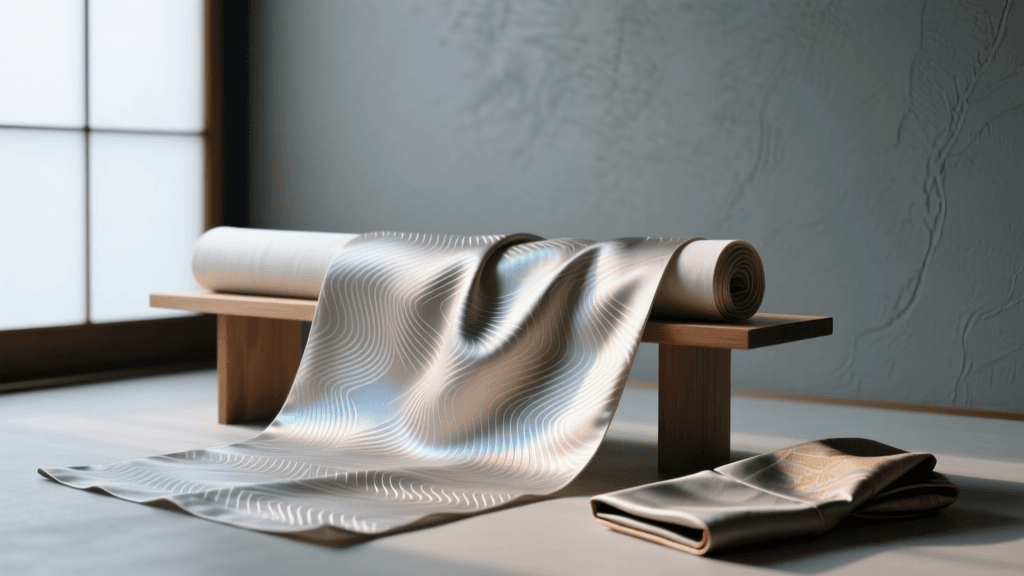
| Heavy Silk Brocade (Zhuanghua) | ¥800 - ¥1,500 ($110 - $210 USD) | Mang Robes, Official Hats | High stiffness, catches stage lighting brilliantly. |
| Silk Crepe de Chine | ¥300 - ¥600 ($40 - $85 USD) | Xuezi, Inner Garments, Linings | Medium drape, excellent for fluid scholar movements. |
| Hand-Embroidered Charmeuse | ¥1,200 - ¥2,500 ($165 - $345 USD) | Female Lead Pifeng, Aoqun | High luster, delicate, requires careful handling. |
| Raw Silk (Shengchou) | ¥150 - ¥350 ($20 - $48 USD) | Martial Arts Garments, Under-layers | Highly durable, breathable, matte finish. |
Mastering the Shuixiu (Water Sleeves)
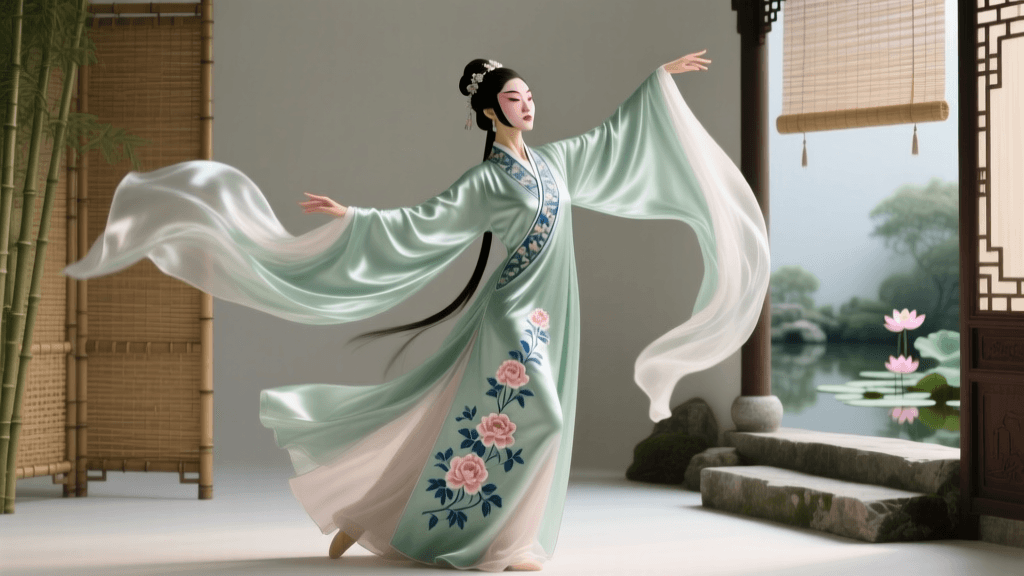
No discussion of Kunqu or Peking Opera Hanfu is complete without the Shuixiu, or water sleeves. These are the long, white silk extensions attached to the cuffs of the Mang, Xuezi, or Pifeng. They serve as an extension of the actor's hands, amplifying every emotion from profound grief to delicate joy.
Museums like the Victoria and Albert Museum's Asian collections frequently highlight the engineering of these sleeves, noting how the transition from the heavy, embroidered cuff to the lightweight, unlined white silk allows for sudden, whip-like snaps followed by slow, cascading falls.
2026 Sizing Standards for Water Sleeves
- Amateur/Student Level: 30cm to 50cm extension beyond the fingertips. Easier to control, suitable for basic choreography.
- Professional Kunqu Standard: 60cm to 80cm extension. The sweet spot for traditional Ming-style theatrical expression, allowing for complex folding and tossing.
- Contemporary Fusion/Avant-Garde: 100cm to 150cm extension. Used in modern 2026 stage adaptations where the sleeves act as standalone props or ribbons.
Essential Water Sleeve Techniques
For performers training in theatrical Hanfu, mastering the sleeves requires months of repetitive wrist and forearm conditioning. The foundational movements include:
- Touxiu (Tossing the Sleeve): A sharp upward flick of the wrist that sends the silk snapping straight into the air, used to express anger, surprise, or a sudden realization.
- Fanxiu (Turning the Sleeve): A continuous, circular motion of the forearm that creates a blooming flower effect with the silk, often used during singing passages to denote contemplation or grace.
- Paoxiu (Throwing the Sleeve): A forceful outward throw, letting the sleeves fall back over the wrists, signifying dismissal, frustration, or the end of a debate.
- Douxiu (Quivering the Sleeve): A rapid, micro-tremor of the wrists that makes the extended silk ripple like water, conveying intense fear, cold, or suppressed weeping.
Care and Preservation of Theatrical Silk
Theatrical Hanfu, particularly heavily embroidered Mang robes and delicate Pifengs, require meticulous care. The 2026 standard for preserving these garments involves strict climate control and traditional storage methods.
- Never Machine Wash: The metallic threads and split-silk embroidery will shatter and tarnish. Spot clean with distilled water and a specialized silk enzyme detergent, or rely on professional heritage textile dry cleaners.
- Airing Out: After a performance, the garments must be hung on wide, padded wooden hangers in a shaded, well-ventilated room for at least 24 hours to allow stage sweat and humidity to evaporate.
- Storage: Fold the garments with acid-free tissue paper to prevent hard creases in the silk. Store them in traditional camphor wood boxes (Xiangzhangmu), which naturally repel moths and silverfish without the use of harsh chemical mothballs that can degrade silk proteins over time.
Conclusion
The world of Kunqu and Peking Opera Hanfu is a living, breathing archive of Chinese textile history. As we move through 2026, the dedication to preserving these garments—through authentic Suzhou silk weaving, precise historical tailoring, and the rigorous physical discipline of water sleeve choreography—ensures that the visual poetry of traditional Asian performing arts will continue to captivate global audiences for generations to come. Whether you are a stage performer, a cultural historian, or a dedicated Hanfu enthusiast, investing in authentic theatrical garments is an investment in the very fabric of Asian heritage.