The Sensory Kimono: Fabric Sound & Texture Guide 2026
Beyond the Visual: The Auditory and Tactile Art of the Kimono
When we think of the traditional Japanese kimono, our minds immediately gravitate toward its breathtaking visual aesthetics: the vibrant yuzen dyeing, the intricate metallic embroidery, and the sweeping, dramatic silhouettes. However, to truly understand the kimono in 2026, one must look beyond the visual and embrace the garment as a multi-sensory masterpiece. In recent years, the global slow-fashion and mindful-dressing movements have sparked a profound resurgence in "sensory fashion," where the acoustic footprint and tactile feedback of a garment are prized just as highly as its visual pattern.
For the modern kimono wearer and textile enthusiast, the experience of dressing is an immersive auditory and tactile journey. The rustle of the silk, the crispness of the summer gauze, and the grounding weight of a winter weave all contribute to a deeply personal, almost meditative experience. This guide explores the hidden sensory dimensions of traditional Japanese garments, offering actionable advice on how to curate your acoustic and tactile wardrobe for the current year.
The Acoustic Signature of Silk: Understanding Kinu-zure
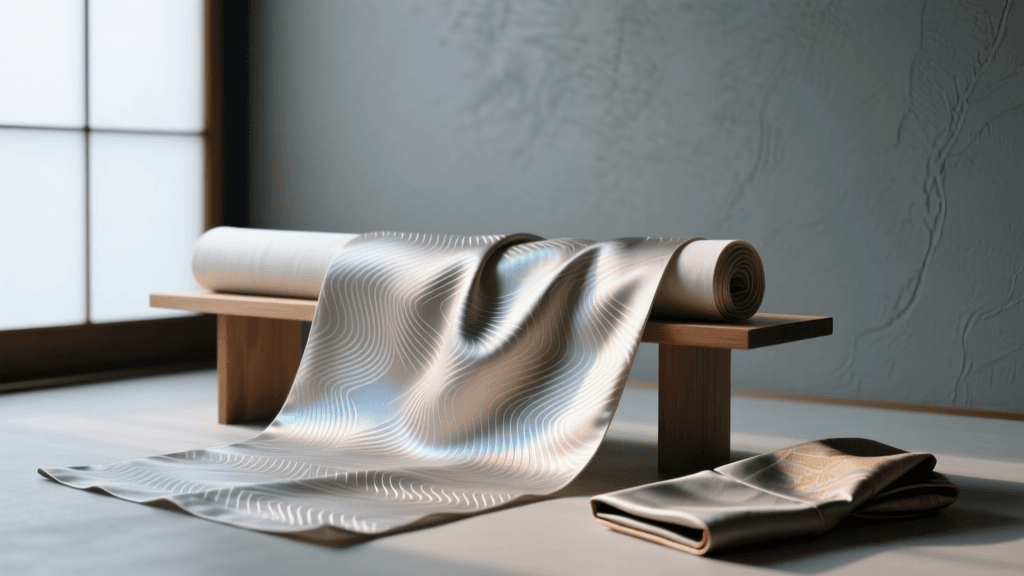
The defining auditory characteristic of the silk kimono is known in Japanese as kinu-zure (衣擦れ), which translates literally to "silk rubbing" or the "rustling of clothes." This is not merely a byproduct of movement; it is a highly coveted acoustic signature that has been celebrated in Japanese literature and poetry for centuries. The sound is often described as a soft, rhythmic whisper or a gentle swish that announces the wearer's presence with understated elegance.
The physics behind kinu-zure are fascinating and deeply rooted in traditional sericulture and weaving techniques. The sound is primarily generated by the friction between tightly twisted silk threads. In traditional weaves like chirimen (crepe), the weft threads are twisted up to 3,000 times per meter. When these highly twisted threads rub against each other—or against the smooth silk of the undergarment—they create a distinct, high-frequency rustle. Furthermore, the presence of trace amounts of sericin (the natural silk gum) left on the threads after partial degumming increases the friction coefficient, amplifying the acoustic effect.
According to Japan's Ministry of Economy, Trade and Industry (METI), the preservation of these traditional weaving techniques is vital not just for visual heritage, but for maintaining the unique physical and acoustic properties of regional textiles like Tango chirimen and Hachioji silk. In 2026, artisans are carefully balancing modern degumming processes with traditional twisting methods to ensure the kinu-zure remains vibrant without compromising the silk's longevity.
Tactile Landscapes: Comparing Traditional Kimono Weaves
The tactile experience of a kimono is just as diverse as its acoustic profile. The sensation of the fabric against the skin, the weight of the drape, and the structural rigidity of the weave all dictate how the garment feels and moves. Below is a comprehensive comparison of the most prominent traditional kimono fabrics, detailing their sensory profiles for the 2026 wardrobe.
| Fabric Type | Tactile Sensation | Acoustic Signature (Kinu-zure) | Ideal Season & Use |
|---|---|---|---|
| Habutae (Plain Weave Silk) | Exceptionally smooth, glossy, cool to the touch, fluid drape. | Sharp, continuous swish; high acoustic resonance. | Formal wear, year-round (with appropriate lining). |
| Chirimen (Silk Crepe) | Bumpy, matte finish, soft and yielding, excellent elasticity. | Soft, rhythmic rustle; deep and textured whisper. | Autumn/Winter, everyday to semi-formal wear. |
| Ro / Sha (Leno/Gauze Weave) | Crisp, slightly stiff, breathable, lightweight, textured grid. | Subtle, papery whisper; very low friction sound. | High Summer, informal to semi-formal. |
| Tsumugi (Pongee/Slub Silk) | Nubby, matte, cotton-like warmth, structured and earthy. | Muted, almost silent; soft thud rather than a swish. | Autumn/Winter, casual and street wear. |
The Crispness of Summer: Ro and Sha
During the humid Japanese summer, the tactile priority shifts to breathability and cooling. Ro and sha are leno-weave fabrics characterized by their open, gauze-like structure. Tactilely, they possess a distinct crispness known as shari. This stiffness prevents the fabric from clinging to the skin, allowing air to circulate freely—a sensation referred to as fuu (breeze). Acoustically, they are the quietest of the silk weaves, offering a subtle, papery whisper that aligns with the visual coolness of summer aesthetics.
The Earthy Grounding of Tsumugi
For those who prefer a more grounded, tactile experience, tsumugi (pongee) is unparalleled. Woven from uneven, slubbed silk threads, tsumugi feels remarkably similar to high-quality cotton or linen. It lacks the glossy sheen and the loud kinu-zure of habutae, offering instead a muted, earthy presence. In 2026, tsumugi has become incredibly popular among younger demographics who favor "quiet luxury" and understated, textural elegance over flashy formality.
The 2026 Sensory Wardrobe: Curating Your Acoustic Footprint
Creating the perfect kinu-zure is not solely dependent on the outer kimono; it is the result of a carefully engineered layering system. The classic rustling sound is actually generated by the friction between the outer kimono and the nagajuban (the under-kimono). If both layers are made of the exact same smooth silk, they may glide silently past one another. To maximize the acoustic effect, modern kimono stylists recommend contrasting the textures of the layers.
Actionable Layering Strategies for Sound
- The Classic Rustle: Pair a smooth, glossy habutae or rinzu (satin weave) nagajuban with a textured chirimen outer kimono. The friction between the smooth underlayer and the highly twisted crepe outer layer produces the most pronounced and traditional kinu-zure.
- The Muted Glide: For a quieter, more modern aesthetic, pair a tsumugi outer kimono with a cotton or silk-cotton blend nagajuban. This eliminates the high-frequency silk swish, resulting in a soft, muted movement that is ideal for quiet environments like tea ceremonies or art galleries.
- Winter Weight and Sound: In winter, the addition of a hiyoku (a second lining layer) or a thick wata-ire (padded kimono) dampens the acoustic signature significantly. To maintain a sensory experience in winter, focus on the tactile weight and warmth of the garment, and choose a heavily embroidered obi (sash) to provide contrasting textural feedback at the waist.
Preserving the Sound: Care and Maintenance for Textile Acoustics
A common misconception is that the kinu-zure sound is permanent. In reality, the acoustic signature of a silk kimono is highly vulnerable to environmental factors, improper cleaning, and poor storage. When silk fibers become overly dry, brittle, or coated with residual modern detergents, the friction coefficient changes, and the beloved rustle turns into a dull, lifeless scrape—or disappears entirely.
Climate Control and Storage
To preserve the structural integrity and acoustic properties of your silk garments in 2026, strict climate control is non-negotiable. According to the Victoria and Albert Museum's textile conservation guidelines, silk is highly sensitive to fluctuations in relative humidity (RH).
- Optimal Humidity: Maintain a storage environment with a relative humidity between 45% and 55%. If the air is too dry (below 40%), the silk fibers lose their natural moisture, becoming brittle and altering their acoustic resonance. If too humid (above 60%), the fibers swell, increasing the risk of mold and dampening the sound.
- Temperature: Keep the storage area at a stable temperature of 18°C to 20°C (64°F to 68°F). Avoid attics or basements where temperature swings can cause the silk to expand and contract, degrading the tight twist of the chirimen threads.
- Airing Out: Traditional Japanese practice dictates mushiboshi (airing out garments) in the dry, cool autumn air. In modern, climate-controlled homes, this translates to removing the kimono from its tatou-shi (storage paper) twice a year, allowing the fibers to breathe and reset their natural moisture balance.
Cleaning Considerations
Traditional arimatsu or kyoto washing techniques (known as shikaiya or professional kimono laundering) involve completely taking the garment apart, washing the individual fabric bolts in specialized water, and re-sewing them. This process restores the silk's natural luster and acoustic friction. Modern dry cleaning, while convenient, often leaves chemical residues that coat the fibers, effectively "silencing" the kinu-zure. In 2026, leading preservationists strongly advocate for traditional water-washing by certified artisans at least once every five years to maintain the fabric's sensory vitality.
Mindful Dressing: The Zen of Fabric Sensation
The sensory experience of the kimono extends deeply into the realm of Zen spirituality and mindfulness. Dressing in a kimono—known as kitsuke—is a deliberate, unhurried process that demands physical awareness. The tactile feedback of the garments serves as a grounding mechanism, pulling the wearer out of the digital noise of the modern world and into the present moment.
Consider the act of tying the obi. The stiff, heavily brocaded texture of a maru obi or fukuro obi provides a firm, reassuring pressure around the torso, promoting good posture and a sense of physical containment. The braided obi-jime (cord) offers a distinct, ribbed texture beneath the fingers as it is pulled tight and knotted. Every fold, every tuck, and every knot provides immediate tactile feedback, transforming the act of getting dressed into a moving meditation.
As noted by cultural historians and institutions like the Agency for Cultural Affairs, Government of Japan, the preservation of traditional arts is intrinsically linked to the preservation of the mindsets and philosophies that birthed them. The sensory experience of the kimono is a physical manifestation of wabi-sabi (the beauty of imperfection and transience) and ma (the conscious appreciation of space and intervals). The space between the body and the fabric, the interval of silence between the rustles of silk—these are the invisible elements that complete the garment.
Conclusion: Embracing the Full Spectrum of Tradition
As we navigate the fashion landscape of 2026, the kimono stands as a profound reminder that clothing is not merely a visual medium. It is an acoustic environment, a tactile landscape, and a tool for mindfulness. By understanding the physics of kinu-zure, carefully selecting weaves that match your sensory preferences, and meticulously preserving the fibers through proper climate control, you elevate the kimono from a beautiful costume to a living, breathing, and sounding extension of the self. Whether you prefer the sharp swish of habutae or the earthy silence of tsumugi, the true magic of the kimono lies in how it makes you feel, and how it sounds, with every step you take.