Hanfu on Global Runways: Top 2026 Fashion Week Trends
The Renaissance of Hanfu on the 2026 Global Stage
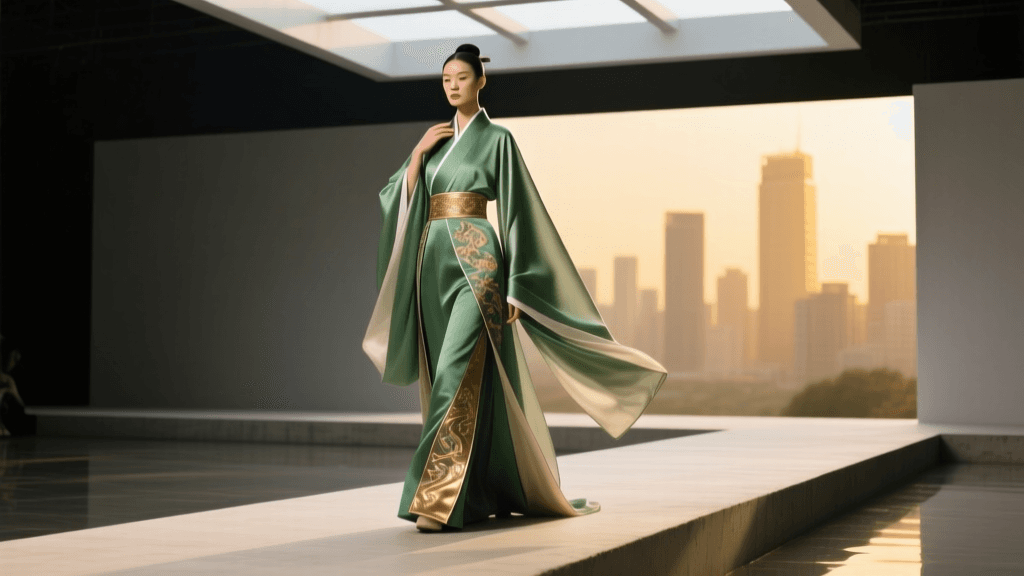
The global fashion landscape in 2026 has witnessed an unprecedented integration of traditional Chinese garments into the highest echelons of haute couture and ready-to-wear. No longer confined to niche subcultures, historical reenactments, or regional street style, Hanfu has firmly claimed its space on the international runways of Paris, Milan, and New York. This year's Spring/Summer and Fall/Winter collections have showcased a sophisticated evolution, moving past mere costume replication into structural deconstruction and avant-garde tailoring. Designers are now treating traditional Chinese dress not as a static relic, but as a dynamic framework for modern sartorial expression.
The Hanfu movement, which began as a grassroots cultural revival in the early 2000s, has matured into a multi-billion-dollar global industry. Top fashion houses are collaborating with master weavers in Suzhou and Hangzhou, bringing centuries-old textile techniques to international audiences. This fusion of ancient craftsmanship and 2026's cutting-edge fashion technology has resulted in collections that are both deeply rooted in heritage and fiercely forward-looking.
Key Hanfu Silhouettes Dominating the 2026 Runways
The 2026 runway season is defined by the reinterpretation of three foundational Hanfu silhouettes. Designers are manipulating volume, proportion, and drape to create garments that challenge Western-centric tailoring norms while remaining highly wearable.
The Modernized Mamianqun (Horse-Face Skirt)
The Mamianqun, characterized by its flat front and back panels flanked by intricate side pleats, has become the undisputed star of the 2026 runway season. While traditional versions rely on heavy brocades and strict symmetrical pleating, this year's international adaptations feature asymmetrical hemlines, tech-woven jacquards, and adjustable architectural waistbands. Designers have introduced hidden magnetic closures and modular pleat structures that allow the skirt to transition from a voluminous ballgown silhouette to a sleek, tailored midi skirt with a simple adjustment.
Deconstructed Ruqun and Corsetry
The chest-high Ruqun, historically consisting of a wrapped top and a high-waisted skirt, has been radically reimagined through the lens of modern corsetry. Runway presentations this year feature structured bodices inspired by the crossed collars (Jiaoling Youren) of the Tang and Song dynasties, but constructed with 3D-printed flexible boning and breathable mesh. This provides the dramatic, elongated torso effect of traditional Ruqun while offering the comfort and support demanded by contemporary consumers.
The Dahu Vest as Avant-Garde Outerwear
Originally a sleeveless, square-collared vest worn during the Ming Dynasty, the Dahu has been elevated to a statement piece of outerwear in 2026. Runway models have been seen layering oversized, heavily padded Dahu vests over sheer turtlenecks and tailored trousers. The wide armholes and stiff, structured shoulders of the Dahu provide a striking, geometric profile that contrasts beautifully with the fluid, draped fabrics used for the underlying layers.
2026 Runway Adaptations vs. Traditional Garments
To understand the depth of this year's design innovations, it is essential to compare historical baselines with their 2026 runway counterparts. The following table outlines how traditional elements have been adapted for the modern luxury market.
| Garment Element | Traditional Historical Form | 2026 Runway Adaptation | Styling Application |
|---|---|---|---|
| Mamianqun Skirt | Floor-length, tied waist, heavy silk brocade | Midi-length, magnetic clasp, metallic tech-jacquard | Pair with oversized knitwear and chunky loafers |
| Jiaoling Collar | Crossed right over left, soft fabric drape | Asymmetrical structured lapel with hidden boning | Wear as a statement blazer over a slip dress |
| Dahu Vest | Sleeveless, hip-length, side slits | Cropped or oversized, insulated, exaggerated shoulders | Layer over turtlenecks or wide-leg denim |
| Pibo Sash | Long, sheer silk ribbon draped over arms | Detachable, weighted silk-cashmere blend scarf | Drape over structured coats for evening wear |
Fabric Innovations and Sustainable Dyeing in 2026
A major narrative of the 2026 fashion weeks is the commitment to sustainability, and Hanfu designers are leading the charge by reviving and scaling eco-friendly textile practices. Xiangyunsha, also known as gambiered gauze, has seen a massive resurgence. This luxurious silk is dyed using the juice of the Dioscorea cirrhosa tuber and coated with iron-rich river mud, resulting in a dark, lustrous fabric that is naturally cooling and antibacterial.
This year, luxury houses have partnered with certified sustainable workshops in Guangdong to produce Xiangyunsha with zero chemical runoff. Furthermore, the use of plant-based dyes—such as indigo, madder root, and pagoda tree buds—has been refined using modern mordanting techniques that ensure colorfastness without relying on heavy metals. According to historical textile archives preserved by institutions like the Metropolitan Museum of Art's Asian Art department, these natural dyeing methods are not only historically accurate but represent the pinnacle of pre-industrial ecological fashion.
How to Incorporate Runway Hanfu into Everyday 2026 Wardrobes
Translating high-fashion runway concepts into a functional, everyday wardrobe requires a keen eye for proportion and styling. Here are actionable strategies for integrating Hanfu-inspired pieces into your 2026 rotation:
- The Rule of Contrast: Balance the voluminous, traditional drape of a Mamianqun with highly structured, modern tops. A fitted, ribbed turtleneck or a sharp, tailored blazer prevents the outfit from looking like a historical costume.
- Footwear Pairings: Abandon traditional cloth shoes for everyday wear. The 2026 runway standard dictates pairing Hanfu skirts with chunky leather loafers, sleek Chelsea boots, or minimalist leather sneakers to ground the ethereal fabrics in contemporary reality.
- Waist Definition: Traditional Hanfu often relies on sashes and ties that can obscure the waistline. For a modern silhouette, utilize thin, structured leather belts over the waistband of your Ruqun or skirt to create a defined, hourglass shape.
- Layering with Dahu: Use a sleeveless Dahu vest as a substitute for a traditional waistcoat or gilet. Layer it over a crisp white poplin shirt and wide-leg trousers for a sophisticated, gender-neutral office look.
Sourcing and Pricing: The 2026 Hanfu Market
The market for Hanfu has stratified significantly in 2026, offering options for both accessible fashion enthusiasts and high-end collectors. Market analysts at The Business of Fashion have noted that the luxury sector's embrace of traditional Chinese dress has driven up the value of authentic, handcrafted pieces while simultaneously spurring high-quality mass-market alternatives.
- Entry-Level & High Street ($80 - $250): Brands focusing on ready-to-wear adaptations offer machine-washable jacquard Mamianqun and cotton-blend Ruqun tops. These pieces prioritize ease of care and modern sizing while retaining traditional visual motifs.
- Independent Designer & Bridal ($400 - $1,200): This tier features hand-embroidered details, authentic Xiangyunsha silks, and custom tailoring. Garments are often made-to-measure, ensuring the precise drape required for traditional crossed collars and pleated skirts.
- Haute Couture & Archival ($3,000 - $15,000+): Reserved for runway pieces and luxury house collaborations, these garments utilize antique loom techniques, genuine gold-leaf thread weaving (Kesi), and months of hand-finishing.
Conclusion
The presence of Hanfu on the 2026 global runways is not a fleeting trend; it is a permanent recalibration of the international fashion lexicon. By honoring the structural genius of traditional Chinese garments while embracing modern sustainability, avant-garde tailoring, and contemporary styling, designers have ensured that Hanfu remains a living, breathing art form. Whether you are investing in a custom-tailored Xiangyunsha skirt or simply incorporating a crossed-collar blouse into your daily wardrobe, participating in this movement connects you to a rich cultural heritage that is actively shaping the future of global style.