2026 Hanfu Storage Rotation & Seasonal Maintenance Guide
Introduction to Hanfu Preservation in 2026
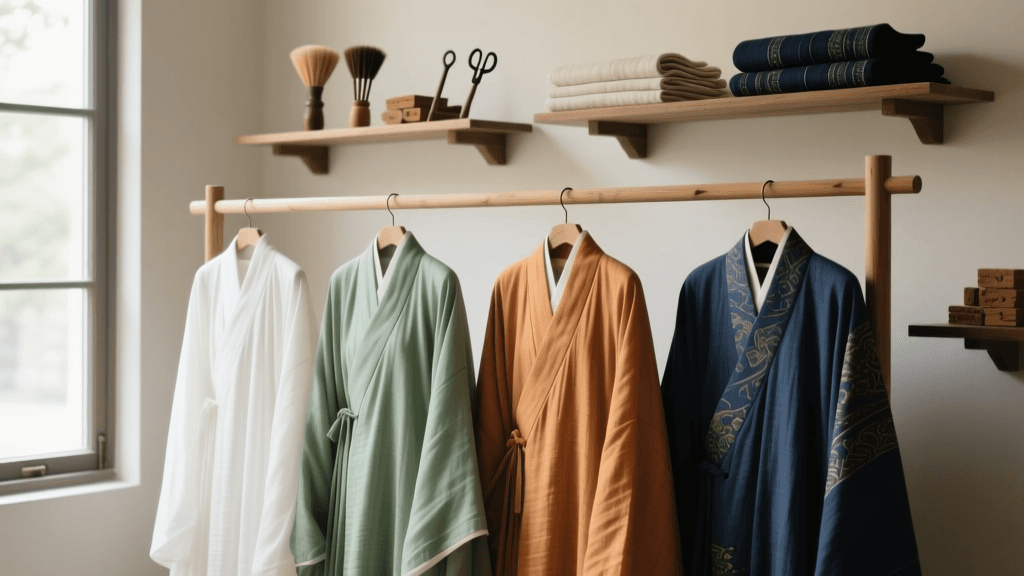
The global renaissance of traditional Chinese clothing has transformed the Hanfu movement from a niche historical interest into a mainstream sartorial practice. As of 2026, it is common for dedicated enthusiasts and cultural collectors to own extensive wardrobes comprising dozens of intricate garments. However, the delicate nature of traditional textiles requires far more care than standard modern apparel. Whether you are preserving a museum-grade replica of a Ming Dynasty Mamianqun (horse-face skirt) or maintaining a daily-wear Song Dynasty Beizi (jacket), understanding the science of textile preservation is paramount. This comprehensive 2026 guide outlines the definitive strategies for Hanfu storage rotation, seasonal maintenance, and climate-controlled preservation, ensuring your cultural garments remain pristine for generations.
Understanding Your Hanfu: Fabric Profiles and Vulnerabilities
Before establishing a rotation schedule, one must understand the material composition of the garments. Hanfu is traditionally constructed from natural fibers, each possessing unique chemical properties that dictate how they react to light, humidity, and physical stress.
Mulberry Silk (Sangcan Silk)
Silk is a protein-based fiber composed of fibroin and sericin. It is highly susceptible to UV degradation, alkaline substances, and moisture-induced mildew. In 2026, the market offers a wide variety of silk weaves used in Hanfu, including heavy brocades (Zhuanghua), delicate chiffons, and textured crepes. Protein fibers require a slightly acidic to neutral environment for long-term stability. Storing silk in standard cardboard boxes or untreated wooden drawers can lead to acid migration, resulting in irreversible yellowing and fiber embrittlement.
Plant Fibers: Ramie, Linen, and Cotton
Cellulose-based fibers like ramie (Zhuma) and linen are historically significant, particularly for summer Hanfu and inner garments (Zhongyi). While more resilient to alkaline environments than silk, plant fibers are highly prone to hard creasing. If a ramie skirt is folded tightly and left under pressure for a season, the cellulose chains can fracture along the fold lines, leading to permanent tearing. Furthermore, cellulose fibers readily absorb ambient moisture, making them prime targets for mold spores in humid climates.
Modern Blends and Synthetic Jacquards
Entry-level and daily-wear Hanfu in 2026 frequently utilize polyester blends and synthetic jacquards. While these materials are impervious to moth damage and resist wrinkling, they are notoriously hydrophobic. If stored without proper airing, synthetic garments can trap body oils and microscopic sweat residues against the fabric, leading to stubborn oxidation stains that manifest months after the garment is packed away.
The 2026 Seasonal Rotation Schedule
A systematic rotation schedule prevents fabric fatigue and ensures garments are inspected regularly. The table below outlines the recommended 2026 maintenance protocol based on garment type and seasonal transitions.
| Garment Type | Primary Fabric | Storage Method | Rotation Frequency | 2026 Maintenance Considerations |
|---|---|---|---|---|
| Mamianqun (Horse-face Skirt) | Silk Brocade / Jacquard | Flat archival box with padded pleats | Bi-annually (Spring/Autumn) | Use smart hygrometers to monitor box humidity; never hang by the waistband. |
| Beizi (Long Jacket) | Silk Chiffon / Linen | Padded hanger in breathable muslin bag | Seasonally (Every 3 months) | Inspect collar edges for sebum oxidation; utilize UV-C wand for surface sterilization. |
| Ruqun (Top and Skirt Set) | Cotton / Ramie Blend | Folded with acid-free tissue in drawers | Quarterly | Refold along different axes each quarter to prevent cellulose fiber fracture. |
| Dahu (Winter Coat) | Wool / Heavy Silk | Cedar-lined chest with pheromone traps | Annually (Post-Winter) | Requires professional dry cleaning before long-term storage; monitor for moth activity. |
Climate Control: Integrating 2026 Smart Home Technology
Environmental stability is the cornerstone of textile conservation. According to the National Park Service Museum Handbook, the ideal environment for mixed textile collections is a temperature of 65°F to 70°F (18°C to 21°C) with a relative humidity (RH) strictly maintained between 45% and 55%. Fluctuations in humidity cause fibers to expand and contract, leading to mechanical stress and the eventual breakdown of delicate metallic threads often found in Ming-style garments.
In 2026, collectors are leveraging advanced IoT (Internet of Things) smart wardrobe systems. Devices like the latest generation of SwitchBot and Govee smart hygrometers now integrate directly with home HVAC systems and localized wardrobe dehumidifiers. By placing these micro-sensors inside your archival storage boxes, you can receive real-time smartphone alerts if the RH inside your Mamianqun storage bin exceeds 60%, allowing you to deploy silica gel desiccant cassettes before mold spores can germinate.
Step-by-Step Seasonal Maintenance Routine
Transitioning your Hanfu wardrobe between seasons requires a meticulous, multi-step process to ensure no damage occurs during the packing or unpacking phases.
Step 1: The Post-Wear Airing Protocol (Liangyi)
Before any garment enters long-term storage, it must be aired. Hang the Hanfu in a shaded, well-ventilated room for 24 to 48 hours. Direct sunlight is strictly prohibited, as UV radiation rapidly degrades silk proteins and fades natural plant dyes. This airing process allows trapped moisture from body heat and ambient humidity to evaporate, neutralizing the primary catalyst for mildew growth.
Step 2: Spot Cleaning and Archival Washing
Inspect the garment under bright, neutral-white LED lighting. Look for microscopic stains along the collar (where skin oils accumulate) and the hem. For silk garments, avoid home washing if possible. If spot cleaning is necessary, use a pH-neutral, enzyme-free textile detergent specifically formulated for heritage fabrics. For cotton and ramie Zhongyi (inner layers), machine washing on a delicate cycle inside a mesh laundry bag is acceptable, but they must be air-dried flat to prevent warping.
Step 3: The Geometry of Folding
Proper folding is an art form that respects the structural integrity of the garment. For the Jiaoling Youren (cross-collared right lapel) tops, fold the sleeves inward parallel to the body, then fold the garment in thirds. Never fold directly across intricate embroidery or metallic thread work, as the friction will snap the metallic fibers. For pleated Mamianqun, it is highly recommended to stuff the pleats with unbuffered, acid-free tissue paper before folding. This maintains the structural memory of the pleats and prevents sharp creases from forming at the fold intersections.
Step 4: Archival Packing Materials
As outlined by the Victoria and Albert Museum textile conservation team, direct contact with standard plastics or acidic papers is detrimental to historic fibers. In 2026, the standard for home collectors is the use of unbleached, washed muslin garment bags for hanging items, and polypropylene (PP) archival boxes for folded items. Polypropylene is chemically inert and will not off-gas harmful plasticizers like older PVC or vinyl storage bins. Always wrap silk garments in unbuffered acid-free tissue paper; buffered tissue (which contains calcium carbonate) should only be used for plant-based fibers like cotton and linen.
Pest Management Without Harsh Chemicals
The webbing clothes moth (Tineola bisselliella) and the carpet beetle are the most formidable enemies of wool and silk Hanfu. Historically, collectors relied on naphthalene mothballs or paradichlorobenzene (PDB) crystals. However, these chemicals are now known to be highly toxic, and their vapors can actually melt into the fibers of silk, causing catastrophic staining and chemical degradation.
Modern 2026 pest management relies on integrated pest management (IPM) strategies. The Smithsonian Museum Conservation Institute recommends the use of natural deterrents combined with environmental controls. Place sustainably harvested cedarwood blocks and dried lavender sachets inside your storage drawers. These natural oils mask the scent of the keratin in silk and wool, confusing the moths. Furthermore, utilize non-toxic pheromone traps placed on the floor of your wardrobe to monitor and intercept male moths before they can mate. If an infestation is suspected, the safest eradication method is to seal the affected Hanfu in a plastic bag and place it in a deep freezer at -4°F (-20°C) for 72 hours, which safely terminates all life stages of the pest without the use of chemicals.
Conclusion
Preserving a Hanfu collection is a profound act of cultural stewardship. The garments are not merely clothing; they are woven artifacts that carry the weight of history, artistry, and identity. By adopting the 2026 standards for seasonal rotation, leveraging smart climate technology, and utilizing museum-grade archival materials, you ensure that your silk, ramie, and linen garments remain vibrant and structurally sound. Whether you are preparing your winter Dahu for hibernation or unpacking your summer ramie Ruqun for the warmer months, a disciplined maintenance routine is the key to safeguarding these beautiful traditions for the future.