Best Japanese Fashion Magazines for Traditional Wear 2026
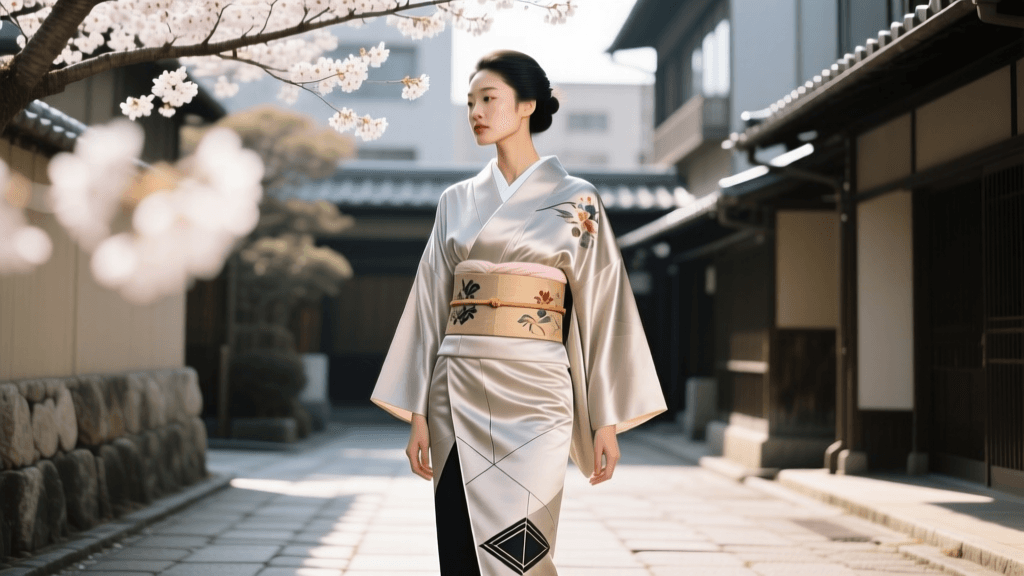
The Renaissance of Heritage: Japanese Fashion Journalism in 2026
The intersection of centuries-old Japanese garment traditions and the hyper-fast digital fashion journalism landscape has reached a fascinating tipping point in 2026. As global interest in sustainable, artisan-crafted clothing surges, Japanese online magazines and independent fashion blogs have become the ultimate arbiters of how traditional garments—like the kimono, noragi, and jinbei—are being reinterpreted for modern wardrobes. No longer confined to niche historical societies or print-only heritage catalogs, traditional Japanese fashion journalism is now a vibrant, digital-first ecosystem.
For international enthusiasts, collectors, and designers, navigating this digital landscape is essential. The top Japanese fashion blogs and online magazines do more than just showcase street style; they provide deep-dive editorials into regional dyeing techniques, document the revitalization of rural weaving towns, and track the secondary market pricing of vintage Taisho-era textiles. In this comprehensive guide, we explore the most authoritative Japanese digital fashion platforms of 2026 that bridge the gap between ancient sartorial customs and contemporary style.
Top Digital Magazines Bridging Tradition and Modernity
While global giants like Vogue Japan frequently touch upon traditional craftsmanship during major fashion weeks, the true pulse of everyday traditional garment culture is found on specialized domestic platforms. These three digital publications are currently leading the charge in heritage fashion journalism.
Fashionsnap: The Industry Pulse
Fashionsnap remains the undisputed heavyweight in Japanese fashion news, but in 2026, its dedicated coverage of 'Neo-Wafuku' (modern Japanese clothing) has expanded significantly. Fashionsnap is the go-to source for real-time reporting on how Tokyo-based indie designers are integrating traditional textiles like kasuri (ikat) and shibori (tie-dye) into their latest collections. Their street-snap photographers actively document the Harajuku and Daikanyama districts, capturing how youth culture layers vintage haori jackets over modern tech-wear. For the serious enthusiast, Fashionsnap's market reports on the 2026 Tokyo Sustainability Week are invaluable, offering data on how upcycled kimono fabrics are dominating the eco-fashion sector.
TOKION: Culture, Art, and Sartorial History
For readers seeking long-form, culturally rich journalism, TOKION is an indispensable digital magazine. TOKION approaches fashion not merely as apparel, but as a living artifact of Japanese history. In 2026, their editorial team has published groundbreaking photo essays on the aging artisans of Kyoto's Nishijin weaving district, pairing these intimate portraits with avant-garde fashion editorials. TOKION excels at contextualizing garments; if you want to understand the spiritual and historical significance behind the geometric patterns of a sashiko-stitched noragi before you purchase one, TOKION’s cultural desk provides the most nuanced storytelling available in digital journalism today.
Note.com: The Rise of Independent Stylists
While not a traditional magazine, the Japanese publishing platform Note has become the secret weapon for traditional garment aficionados. In 2026, independent kimono stylists, vintage textile dealers, and natural dyeing experts use Note to publish subscription-based newsletters and visual lookbooks. Unlike glossy magazines, Note allows writers to share hyper-specific, actionable advice—such as how to properly wash and maintain a vintage silk juban, or where to find the most authentic indigo-dyed jinbei in Shikoku. Following top-rated 'Wafuku Stylists' on Note provides a direct line to grassroots traditional fashion trends before they hit the mainstream.
Key Traditional Trends Dominating 2026 Editorials
By closely following these Japanese digital publications, several distinct trends have emerged this year regarding how traditional garments are being worn, bought, and discussed.
- The Upcycled Boro Movement: Originally a peasant patchwork technique, boro textiles are being championed by digital magazines as the pinnacle of sustainable luxury. 2026 editorials frequently feature brands repurposing 19th-century hemp boro into structured modern outerwear, with price points often exceeding ¥300,000.
- Yukata vs. Jinbei Summer Debates: As summer approaches, lifestyle blogs are heavily debating the 2026 shift toward high-end jinbei (two-piece casual summer wear) over the traditional one-piece yukata for urban festivals. Digital polls show a 40% increase in young professionals opting for linen-blend jinbei for their breathability and ease of movement in Japan's increasingly humid summers.
- Obijime Street Accessories: Fashion snap blogs are documenting a massive surge in the use of obijime (decorative kimono cords) as belts, bag straps, and even sneaker laces, giving a second life to deadstock kimono accessories.
Comparison Chart: Which Japanese Fashion Blog is Right for You?
| Platform | Primary Focus | Language Availability | Best For | Update Frequency |
|---|---|---|---|---|
| Fashionsnap | Industry News, Runway, Street Snaps | Japanese / English | Tracking designer collaborations and market trends | Daily |
| TOKION | Culture, Artisan Interviews, History | Japanese | Deep cultural context and high-end editorial photography | Weekly |
| Note (Wafuku Tags) | Independent Stylists, DIY, Care Guides | Japanese | Practical garment care, vintage shopping guides, and DIY | Continuous (User-generated) |
| Kimono Walker Digital | Traditional Purism, Seasonal Rules | Japanese | Strict seasonal wearing rules and formal ceremony guides | Bi-Weekly |
How to Read and Navigate Japanese Fashion Sites in 2026
For international readers, the language barrier remains the primary hurdle in accessing Japan's domestic fashion journalism. However, the digital tools available in 2026 have made navigating these sites easier than ever. Here is an actionable guide to building your daily traditional garment media diet.
Essential Search Keywords
To bypass generic fashion news and drill down into traditional garment coverage on platforms like Fashionsnap or Note, use these specific Japanese search terms:
- 和服 (Wafuku): The umbrella term for traditional Japanese clothing.
- 古着 キモノ (Furugi Kimono): Essential for finding vintage kimono street style and secondhand market reports.
- 刺し子 (Sashiko): Use this to find editorials on functional embroidery and modern workwear adaptations.
- 伝統工芸 ファッション (Traditional Crafts Fashion): Yields articles on government-backed initiatives merging rural artisans with modern streetwear brands.
- 甚平 コーデ (Jinbei Coordinate): The exact phrase used by stylists to showcase how to wear summer jinbei in modern urban settings.
Leveraging AI Translation Tools
In 2026, native browser AI translations have improved drastically regarding fashion and textile terminology. However, for platforms like TOKION that rely heavily on poetic and historical nuance, using dedicated extensions like the DeepL API browser integration is highly recommended. DeepL accurately translates complex textile terms—such as distinguishing between ro (summer sheer silk) and sha (lightweight gauze)—which generic translators often conflate. Setting up RSS feeds via Feedly for specific tags on Fashionsnap ensures you receive daily curated updates directly in your native language.
The Impact of Digital Journalism on the Secondhand Market
One of the most profound impacts of Japanese fashion blogs in 2026 is their direct influence on the secondary market. When a prominent digital magazine features a specific era of textile—such as the vibrant, art-deco inspired meisen silk kimonos of the 1920s—prices on domestic auction sites like Yahoo! Auctions Japan and vintage dealers in Shimokitazawa spike within 48 hours. Fashion journalism in Japan acts as a real-time trend-forecasting engine. By reading these blogs, international buyers and collectors can anticipate which traditional garments will see a surge in value and cultural relevance, allowing them to source pieces before they become globally recognized trends.
Conclusion
The landscape of Japanese fashion journalism has evolved into a vital bridge connecting the ancient loom to the modern street. Whether you are looking to understand the intricate dyeing processes of Kyoto, find the perfect summer jinbei, or simply appreciate the artistry of a century-old haori, the digital magazines and independent blogs of 2026 offer unprecedented access. By learning to navigate these platforms, utilizing the right search terminology, and embracing the cultural context they provide, you can elevate your appreciation and curation of Asian traditional garments to an expert level.