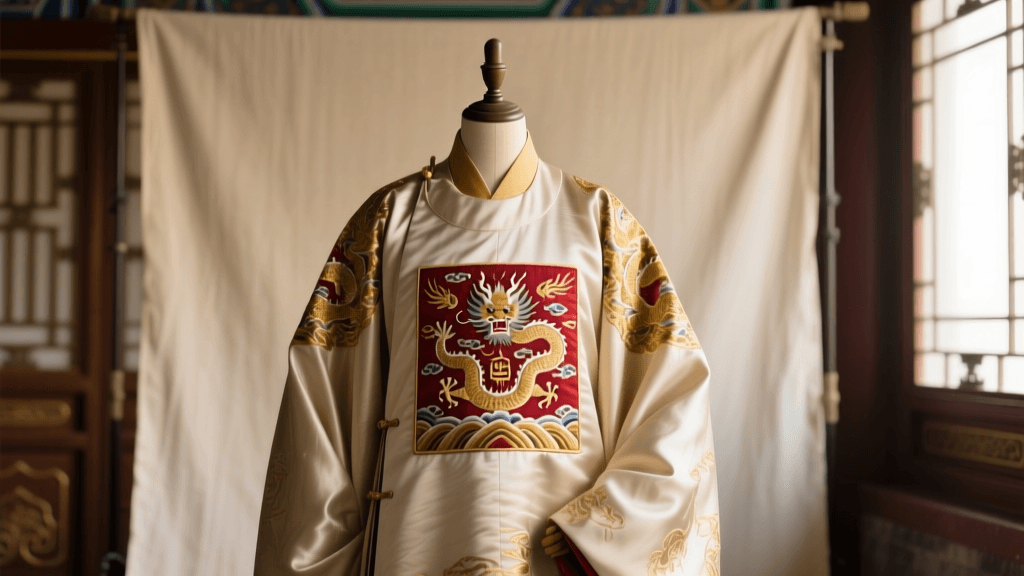
Japan's Best Kimono Tailoring Schools & Apprenticeships 2026
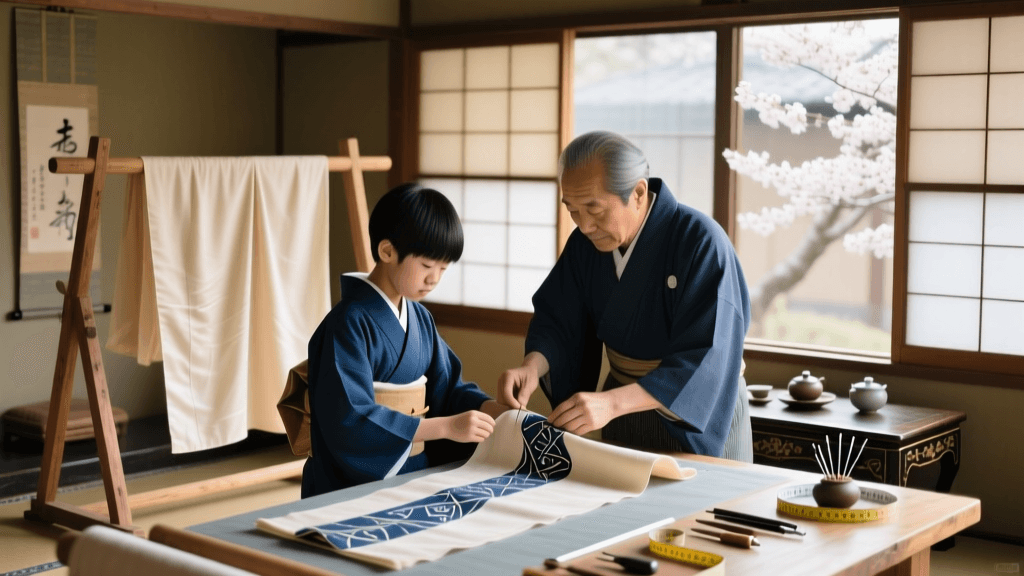
The Renaissance of Wafuku and Traditional Garment Education in 2026
In 2026, the global fashion landscape has witnessed a profound pivot toward sustainable, slow fashion, bringing traditional Japanese garments—collectively known as wafuku—into the international spotlight. From the intricate silk weaving of Nishijin to the meticulous hand-stitching of bespoke kimono tailoring (wasai), the demand for authentic, heritage-grade Japanese clothing has never been higher. However, the artisans capable of creating these masterpieces are aging, making the education and preservation of these techniques a critical cultural priority.
For aspiring international and domestic students, mastering the art of Japanese garment making requires more than just sewing skills; it demands an immersion into Zen spirituality, sensory discipline, and a deep respect for the life cycle of textiles. Whether you are looking to enroll in a prestigious formal institution in Tokyo or seek out a rigorous shokunin (artisan) apprenticeship in Kyoto, navigating the educational landscape of 2026 requires precise planning, cultural understanding, and a commitment to the craft.
Formal Education: Top Institutions for Japanese Garment Arts
Japan offers several world-class institutions that bridge the gap between ancient textile preservation and modern design methodologies. In 2026, these schools have integrated digital archiving and sustainable textile sourcing into their traditional curricula.
Bunka Fashion College (Tokyo)
While globally renowned for avant-garde contemporary fashion, Bunka Fashion College maintains a highly respected Japanese Clothing (Wafuku) department. Students here learn the precise geometry of the tanmono (the standard 38cm wide, 12-meter long bolt of fabric used for kimono). The curriculum covers everything from basic kari-nui (basting) to advanced chirimen (crepe silk) manipulation. Bunka’s 2026 syllabus heavily emphasizes the intersection of traditional shitate (tailoring) and modern ergonomic adaptations for contemporary wearers.
Kyoto City University of Arts (Kyoto)
Located in the historical heart of Japan’s textile industry, this institution is the premier destination for those interested in the preservation and creation of traditional textiles. According to their official academic programs, the university offers specialized degrees in textile arts, focusing on Kyo-yuzen (resist dyeing) and Nishijin-ori (brocade weaving). Students spend years mastering the sensory experience of natural dyes, learning to identify the exact fermentation state of indigo vats by scent and sound.
Tokyo Kimono Academy
For those seeking intensive vocational training rather than a four-year degree, the Tokyo Kimono Academy offers specialized diplomas in kimono dressing (kitsuke), tailoring, and textile care. Their 2026 certification programs are highly regarded by luxury ryokans, high-end kimono rental boutiques, and international museums requiring specialized garment handlers.
The Shokunin Path: Traditional Apprenticeships (Deshi)
For purists dedicated to the highest echelons of craftsmanship, the deshi (disciple) apprenticeship system remains the gold standard. Unlike formal schooling, an apprenticeship under a master tailor (shishou) is an all-encompassing lifestyle rooted in Zen philosophy and the pursuit of mushin (no-mind).
The Reality of the Deshi System
Securing an apprenticeship in 2026 is highly competitive and usually requires an introduction (shokai) from a respected figure in the textile community. Apprentices typically commit to three to five years of rigorous, often monotonous training. The first year may involve nothing but sweeping the workshop, preparing rice paste for resist dyeing, and learning to properly fold and store silk. This menial period is designed to instill patience, humility, and a deep physical understanding of the workspace.
As the apprentice progresses, they are entrusted with the sensory tasks of the craft: feeling the tension of the ji-ito (ground thread), listening to the specific hiss of the kote (traditional iron) on damp silk, and learning to stitch with a rhythm that mirrors the breath. The goal is not merely to sew a garment, but to imbue the textile with the artisan's spirit, ensuring the kimono will last for generations.
Essential Toolkit for the 2026 Wafuku Student
Whether entering a formal school or an apprenticeship, students must invest in specialized, heritage-grade tools. Mass-produced sewing kits are entirely unsuitable for the delicate manipulation of Japanese silk. Below is a breakdown of the essential starter kit and estimated 2026 costs:
- Kote (Traditional Iron): A specialized, elongated iron used for pressing seams open without stretching the bias. Modern 2026 models feature precise digital temperature controls to prevent scorching delicate tsumugi (pongee) silk. (Cost: ¥18,000 - ¥28,000)
- Hera (Silk Spatula): A smooth, bamboo or bone tool used to crease fabric and turn edges without leaving marks or snagging threads. (Cost: ¥3,500 - ¥8,000)
- Machi-bari (Clamps): Weighted clamps used to hold the tanmono taut to the floor or worktable during cutting and basting. (Cost: ¥2,500 per set)
- Shitate-ito (Tailoring Thread): Specially spun, low-twist silk thread that blends seamlessly into the fabric weave, ensuring that structural stitches remain invisible on the garment's exterior. (Cost: ¥1,200 - ¥1,800 per spool)
- Harite (Tension Pole): A specialized clamping system used to stretch fabric taut during intricate embroidery or Yuzen dyeing processes. (Cost: ¥15,000 - ¥25,000)
Comparison: Formal School vs. Shokunin Apprenticeship
Choosing between a university environment and a traditional workshop is the most critical decision for an aspiring artisan. The table below outlines the structural differences as of 2026.
| Feature | Formal School (e.g., Bunka, Kyoto Arts) | Shokunin Apprenticeship (Deshi) |
|---|---|---|
| Duration | 2 to 4 Years | 3 to 7 Years |
| Financial Cost | ¥800,000 - ¥1,500,000 annually (Tuition) | Low/No Tuition; often receives a modest living stipend |
| Curriculum Focus | Broad: Tailoring, dyeing, fashion history, digital design | Hyper-specialized: Mastery of one specific master's technique |
| Language Requirement | JLPT N2 (Some English tracks available for theory) | JLPT N1 & Regional Dialect fluency required |
| Certification | Diploma / Bachelor's Degree | Master's License (Menkyo) & Lineage Recognition |
Navigating Visas, Language, and Preservation in 2026
For international students, the logistical hurdles of studying traditional Japanese fashion are significant but navigable. In 2026, the Japanese government, through the Agency for Cultural Affairs, continues to heavily subsidize programs aimed at preserving Intangible Cultural Properties, which includes specific kimono tailoring and weaving techniques. This has opened up new grant opportunities for foreign nationals demonstrating a commitment to heritage preservation.
Visa Pathways
Most international students enter Japan on a Student Visa sponsored by their university or vocational school. However, for those who secure a private apprenticeship with a recognized master artisan, the Cultural Activities Visa is the appropriate route. This visa requires proof that the applicant is studying a traditional Japanese art form that cannot be learned in their home country. Organizations like The Japan Foundation frequently offer fellowships and logistical support for international researchers and artisans engaging in deep cultural immersion.
The Language of the Loom
Fluency in Japanese is non-negotiable for serious study. The terminology of wasai is steeped in archaic phrasing, regional dialects (especially in Kyoto and Kanazawa), and poetic metaphors related to nature and Zen philosophy. A master will not say 'pull the thread tighter'; they will instruct the apprentice to 'give the thread the breath of a spring breeze.' Achieving JLPT N2 is the minimum requirement for school enrollment, but N1 and a deep comprehension of keigo (honorific language) are mandatory for surviving the hierarchical deshi system.
Preserving the Future Through the Past
The study of Japanese traditional garments in 2026 is not an exercise in mere historical reenactment; it is a vital act of cultural preservation and sustainable innovation. As the world grapples with the environmental devastation of fast fashion, the wafuku philosophy of zero-waste pattern cutting—where the entire tanmono is used and garments can be entirely unpicked, cleaned, and re-tailored for future generations—offers a profound blueprint for the future of global apparel.
Whether you choose the structured, collaborative environment of a Tokyo fashion college or the silent, meditative intensity of a Kyoto artisan's workshop, the path of Japanese garment education demands total devotion. It is a journey that transforms not only the silk beneath your hands but the very fabric of your character, teaching you that true mastery is found in the quiet, repetitive pursuit of perfection.