Styling Yunxie Cloud Shoes & Traditional Boots in 2026
The Renaissance of Traditional Chinese Footwear in 2026
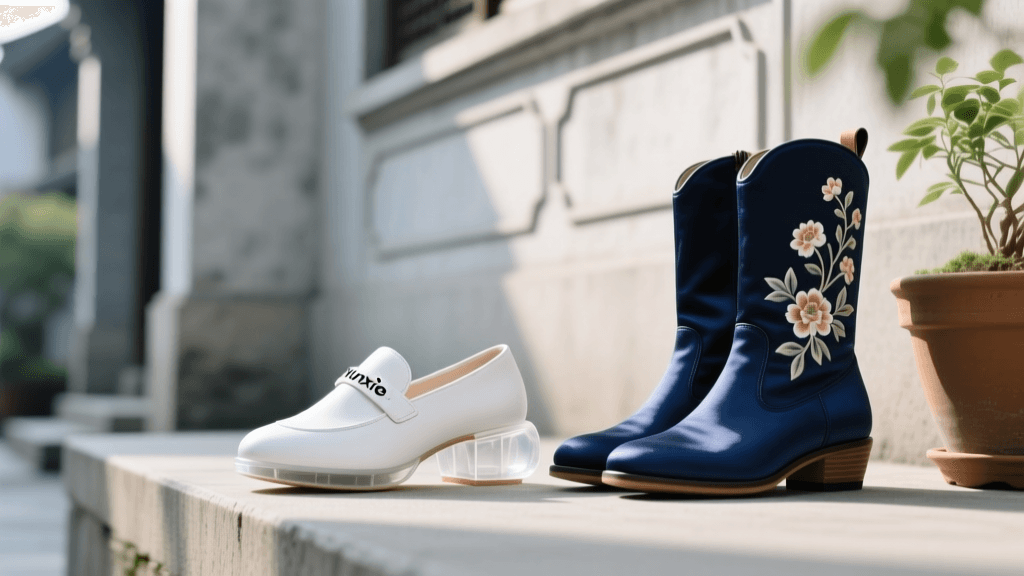
As the global fashion landscape embraces cultural heritage, 2026 has firmly established the Xin Zhongshi (New Chinese Style) movement as a dominant force in everyday wardrobes. While flowing Mamianqun (horse-face skirts) and structured Song-style jackets often steal the spotlight, the true foundation of this aesthetic lies in its footwear. Traditional Chinese footwear, particularly Yunxie (cloud shoes) and Hua Pen Di (flower pot boots), have undergone a remarkable renaissance. Today’s artisans and contemporary design houses are bridging the gap between ancient craftsmanship and modern ergonomic demands, creating pieces that are as comfortable for a modern city commute as they are for a traditional tea ceremony.
In 2026, the market for heritage footwear has expanded significantly. Consumers are no longer settling for stiff, costume-like replicas. Instead, they are investing in meticulously crafted shoes that honor historical silhouettes while incorporating modern podiatric science. From memory-foam insoles hidden beneath silk brocade to vulcanized rubber outsoles replacing traditional cotton layers, the evolution of Asian traditional footwear is a masterclass in adaptive design.
Understanding Yunxie (Cloud Shoes): History and Modern Craft
The Yunxie, or cloud shoe, is perhaps the most iconic silhouette in Han Chinese footwear history. Characterized by its upturned toe that mimics the shape of a Ruyi cloud or a lotus petal, this design is both deeply symbolic and highly functional. Historical artifacts preserved in the Smithsonian National Museum of Asian Art reveal that the upturned toe was originally designed to protect the delicate silk vamps from mud and to facilitate the graceful, gliding step expected of elite women in ancient courts.
In 2026, the construction of the Yunxie has been thoughtfully modernized. Traditionally, these shoes featured a Qiancengdi (thousand-layer sole), made by stitching together dozens of layers of cotton cloth. While beautiful, these soles were entirely unsuited for wet pavement or hard concrete. Modern artisan brands in Suzhou and Hangzhou now utilize a hybrid approach: a base layer of lightweight EVA foam for shock absorption, capped with a durable TPR (thermoplastic rubber) outsole that mimics the texture of stitched cotton but provides essential grip and water resistance.
The Art of the Vamp: Embroidery Techniques
The upper of a premium Yunxie is a canvas for master embroiderers. In 2026, buyers can choose between several regional styles:
- Su Embroidery (Suzhou): Known for its delicate, photorealistic stitching. Su-embroidered cloud shoes often feature subtle, tone-on-tone floral motifs that catch the light, perfect for minimalist Xin Zhongshi outfits.
- Shu Embroidery (Sichuan): Characterized by vibrant colors and bold, satiny stitches. These shoes often feature auspicious symbols like peonies or koi fish, making them ideal for festive wear.
- Panjin (Coiled Gold): A technique using gold and silver threads, heavily favored in 2026 winter collections for its opulent, textured finish.
Hua Pen Di (Flower Pot Boots): Elevating the Silhouette
Originating from the Manchu people during the Qing Dynasty, the Hua Pen Di (flower pot shoe) is instantly recognizable by its towering, central wooden platform. According to the Victoria and Albert Museum's Asian collections, this distinctive platform was a marker of status and identity, forcing a distinct, swaying gait that was considered highly elegant. The base resembled a flower pot or a horse's hoof, and the uppers were lavishly decorated with silk and jewels.
Wearing traditional wooden platforms on modern city streets is impractical, but the 2026 iterations of the Hua Pen Di have solved this through material innovation. Contemporary designers have replaced the heavy elm wood bases with high-density cork and reinforced polyurethane. This reduces the weight of the shoe by nearly 60% while maintaining the structural integrity required for a 7-to-10-centimeter lift. The uppers are now frequently crafted from water-resistant velvet, matte vegan leather, or heavy jacquard brocade, making them a staple for autumn and winter Xin Zhongshi layering.
Xuezi: Traditional Martial and Winter Boots
For those seeking a more grounded, utilitarian aesthetic, the Xuezi (traditional boot) offers a rugged alternative. Historically worn by martial artists, scholars, and officials, these ankle-to-calf boots feature a thicker, more robust sole and a rounded toe. In 2026, Xuezi boots have been adopted by the streetwear-adjacent Xin Zhongshi crowd. Brands are producing them in distressed waxed canvas, raw denim, and oiled leather, often pairing them with wide-leg linen trousers or modern cargo skirts for a striking juxtaposition of ancient utility and contemporary edge.
2026 Buyer’s Guide: Comparing Traditional Footwear Styles
When building your heritage footwear collection, it is essential to understand the functional differences between the primary styles available on the market today. Below is a comprehensive comparison chart to help you select the right pair for your lifestyle.
| Footwear Style | Historical Origin | 2026 Modern Materials | Heel / Sole Height | Best Use Case | Avg. Price Range (USD) |
|---|---|---|---|---|---|
| Yunxie (Cloud Shoe) | Han Chinese (Ming/Qing) | Silk Brocade, EVA/TPR Hybrid Sole | Flat (2-3 cm sole) | Daily wear, office, pairing with Mamianqun | $85 - $350 |
| Hua Pen Di (Flower Pot) | Manchu (Qing Dynasty) | Jacquard, Velvet, Cork/PU Platform | Platform (7-10 cm) | Evening wear, fashion editorials, winter styling | $120 - $450 |
| Xuezi (Scholar Boot) | Han Chinese (Various) | Waxed Canvas, Oiled Leather, Rubber | Low Wedge (3-4 cm) | Streetwear, winter, martial arts practice | $90 - $280 |
| Gongxie (Bow Shoe) | Han Chinese (Ming/Qing) | Satin, Lotus Embroidery, Curved Sole | Flat (2 cm sole) | Indoor wear, tea ceremonies, collection display | $150 - $500+ |
Sizing and Fit: Navigating 2026 Standards
One of the most common hurdles for international buyers of traditional Chinese footwear is sizing. Unlike Western shoe lasts, which are often built with a wide toe box and structured arch support, traditional Asian lasts are historically narrower and flatter. However, the 2026 export market has forced artisan workshops to adapt.
When purchasing Yunxie or Xuezi online, always refer to the specific brand's millimeter (MM) sizing chart rather than relying on generic US/EU conversions. A standard conversion for 2026 exports generally follows this pattern:
- CN 36: US Women's 6 / EU 36 (Foot length: 230mm)
- CN 37: US Women's 6.5 / EU 37 (Foot length: 235mm)
- CN 38: US Women's 7.5 / EU 38 (Foot length: 240mm)
- CN 39: US Women's 8.5 / EU 39 (Foot length: 245mm)
- CN 40: US Women's 9.5 / EU 40 (Foot length: 250mm)
Pro Tip for 2026: If you have a wider foot or high arches, look for brands advertising 'Orthotic-Friendly' or 'Wide-Last' designs. Many premium brands now include a removable silk-covered foam insole, allowing you to insert your own custom arch supports without ruining the exterior aesthetic.
Styling Traditional Footwear with Xin Zhongshi Wardrobes
Integrating heritage footwear into a modern wardrobe requires a balance of proportions. The Metropolitan Museum of Art's costume archives highlight how these garments were historically heavily symbolic, with colors and motifs denoting seasons and social occasions. In 2026, we play with these rules to create striking contemporary silhouettes.
Outfit Formula 1: The Commuter Elegance
Pair a flat, Su-embroidered Yunxie in a muted jade or slate grey with a pleated, ankle-length Mamianqun and a fitted, mandarin-collar knit sweater. The flat sole keeps the skirt from dragging on the pavement, while the upturned toe peeks out elegantly with every step. This look is perfect for the office or a museum visit.
Outfit Formula 2: The Winter Streetwear Edge
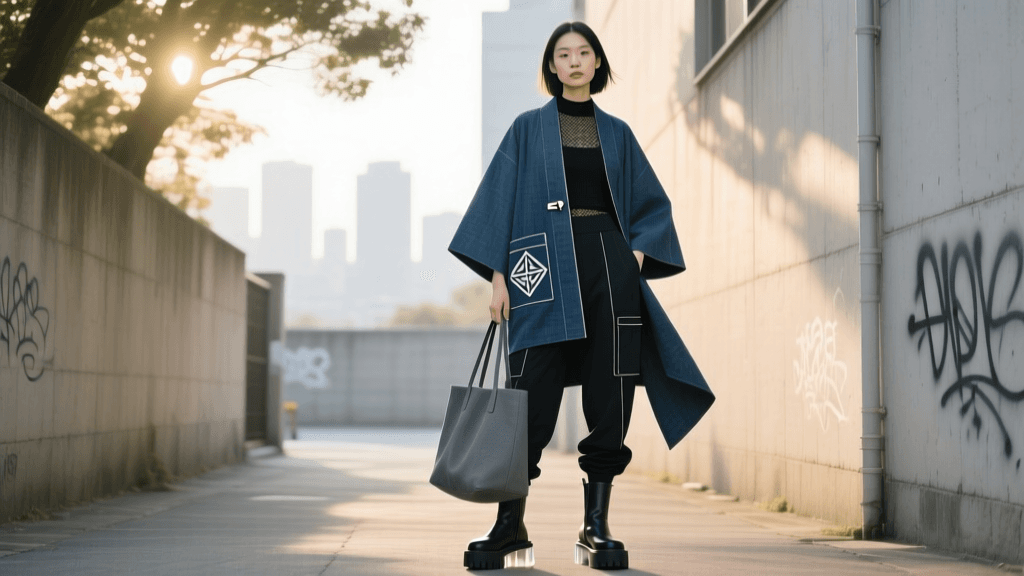
Combine black, waxed-canvas Xuezi boots with wide-leg, heavy linen Song pants and an oversized, quilted Pufa (traditional padded jacket). The chunky rubber sole of the modern Xuezi grounds the voluminous fabrics, creating a silhouette that is both deeply rooted in history and undeniably avant-garde.
Outfit Formula 3: The Evening Statement
For formal events, a 7cm cork-platform Hua Pen Di boot in deep burgundy velvet paired with a floor-sweeping, gold-woven brocade skirt creates a regal, commanding presence. The platform naturally alters your posture, elongating the legs and forcing a deliberate, graceful stride.
Care and Maintenance of Silk and Brocade Footwear
Investing in artisan footwear requires a commitment to proper maintenance. Silk, brocade, and velvet are highly susceptible to water damage, UV fading, and friction. To ensure your 2026 purchases last for decades, follow these strict care protocols:
- Dry Cleaning Only: Never submerge silk or brocade Yunxie in water. If the upper becomes dusty, use a soft-bristle horsehair brush to gently sweep the fabric in the direction of the weave. For localized stains, use a specialized, water-free silk foam cleaner applied with a microfiber cloth.
- Shape Preservation: The upturned toe of the Yunxie is prone to crushing during storage. Always insert cedar shoe trees specifically shaped for traditional Asian lasts, or stuff the toe box with acid-free tissue paper to maintain the Ruyi curve.
- Moisture Control: Store your shoes in a breathable cotton dust bag in a climate-controlled environment. Avoid plastic bins, which can trap humidity and cause the silk threads to mildew or the brocade metallic threads to tarnish.
- Sole Maintenance: While modern TPR and EVA soles are durable, they should be wiped clean with a damp cloth after walking on salted winter roads to prevent the rubber from drying out and cracking.
Conclusion
The landscape of traditional Chinese footwear in 2026 is a testament to the enduring power of cultural heritage when met with thoughtful innovation. Whether you are stepping into a pair of meticulously embroidered Yunxie for a day in the city, or elevating your evening silhouette with a modernized Hua Pen Di, these shoes offer a profound connection to the past while firmly planting your feet in the future. By understanding the history, mastering the sizing, and committing to proper care, you can seamlessly integrate these masterpieces of Asian tradition into your everyday life.