Sashiko & Boro in 2026 Global Luxury Fashion Collaborations
The Renaissance of Wabi-Sabi in 2026 High Fashion
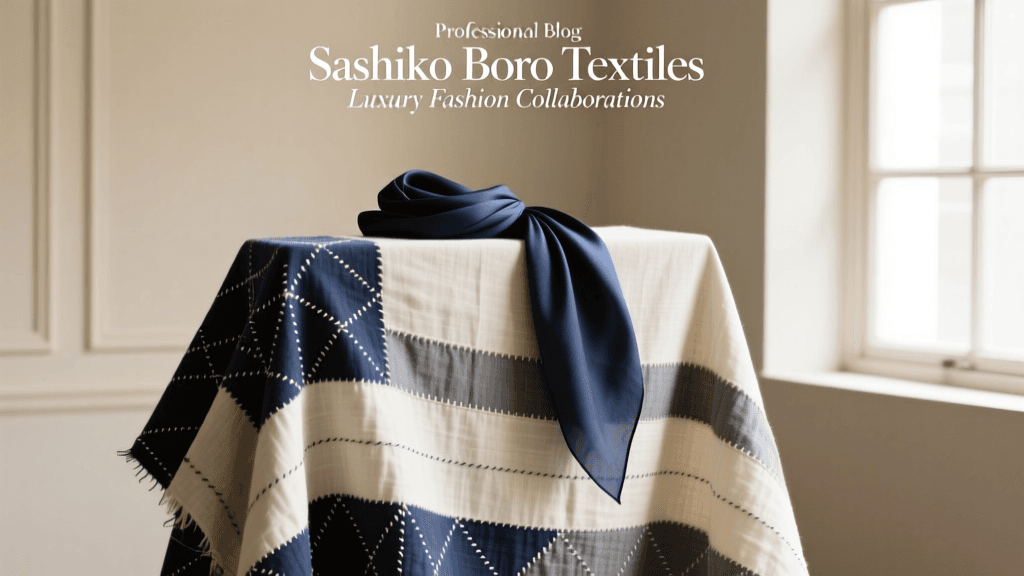
As we navigate the 2026 fashion calendar, the intersection of Japanese heritage textiles and international luxury design has matured from mere aesthetic borrowing to deep, equitable partnerships. The global fashion industry is currently witnessing a profound shift toward 'slow fashion,' and at the epicenter of this movement are the traditional Japanese techniques of Sashiko (functional stitching) and Boro (patchwork mending). Once born out of rural necessity and poverty in the Edo and Meiji periods, these textiles have been elevated to the pinnacle of international haute couture and premium streetwear. In 2026, luxury houses are no longer simply mimicking the distressed, patchwork look; they are actively funding artisanal hubs in regions like Aomori and Okayama, engaging in direct collaborations that honor the Zen spirituality and historical weight of these life-stage garments.
Understanding Sashiko and Boro: Beyond the Aesthetic
To appreciate the 2026 collaborative landscape, one must understand the foundational philosophy of these techniques. Sashiko, translating to 'little stabs,' is a form of decorative reinforcement stitching. Historically, it was used by Japanese farmers and fishermen to quilt layers of cotton or hemp together, creating garments that were windproof, warm, and durable. The rhythmic, meditative nature of the running stitch is deeply tied to Zen spirituality, requiring the artisan to enter a state of mushin (no-mind) to maintain perfect tension and spacing.
Boro, derived from the Japanese word boroboro (meaning tattered or repaired), refers to textiles that have been patched and mended over generations. In the harsh winters of northern Japan, particularly in the Tsugaru region of Aomori, cotton was a luxury. Peasants wove hemp and ramie, patching garments endlessly with sashiko stitching until the original fabric was entirely obscured by layers of indigo-dyed scraps. Today, the Japan Folk Crafts Museum (Mingeikan) continues to champion the mingei (folk craft) movement, reminding contemporary designers that the beauty of Boro lies in its honest reflection of human use, survival, and the passage of time.
2026 Global Collaborations: Ethical Craft vs. Fast Fashion
The year 2026 marks a definitive departure from the cultural appropriation debates of the previous decade. International design houses have realized that true luxury in the modern era requires transparency, heritage, and ethical supply chains. Collaborations this year are structured as joint ventures between European fashion conglomerates and multi-generational Japanese artisanal cooperatives.
For instance, recent 2026 capsule collections have seen Parisian maisons partnering directly with sashiko cooperatives in Hida, Gifu. These partnerships ensure that the intellectual property of regional stitch patterns remains with the artisans, while the luxury brands provide the global distribution and capital necessary to sustain the craft. According to guidelines supported by Japan's Ministry of Economy, Trade and Industry (METI), the designation and protection of traditional crafts have been instrumental in facilitating these cross-border agreements, ensuring that authentic Dentou Kougeihin (Traditional Craft Products) are respected and fairly compensated in the global market.
The Sensory Experience of Heritage Textiles
Wearing a 2026 collaborative Boro piece is a multi-sensory experience. The scent of natural aizome (Japanese indigo) carries an earthy, slightly fermented aroma that synthetic dyes cannot replicate. Tactilely, the garments offer a structured rigidity that slowly molds to the wearer's body over time, a concept known as tsuya (the patina of use). The raised texture of the sashiko threads provides a subtle, comforting friction against the skin, grounding the wearer in the physical reality of the garment's creation.
Comparative Analysis: Traditional vs. Luxury Applications
While the core philosophy remains intact, the materials and applications of Sashiko and Boro have evolved to meet the demands of the 2026 luxury consumer. The table below outlines the key differences between historical applications and modern international collaborations.
| Feature | Traditional Edo/Meiji Era | 2026 Luxury Collaboration |
|---|---|---|
| Base Fabric | Hand-woven hemp, ramie, or coarse cotton | Japanese selvedge denim, organic heavy-weight cotton, silk blends |
| Thread | Hand-spun, unbleached cotton thread | Mercerized cotton, metallic threads, high-tensile silk |
| Stitch Pattern | Functional geometric patterns (e.g., Asanoha, Seigaiha) | Abstract, avant-garde interpretations mixed with traditional motifs |
| Purpose | Warmth, durability, poverty-driven necessity | Artistic expression, sustainable luxury, archival collectibility |
| Price Range (USD) | N/A (Created for personal/family survival) | $1,200 - $8,500+ for outerwear and collaborative jackets |
The Zen Philosophy of the Stitch in Modern Design
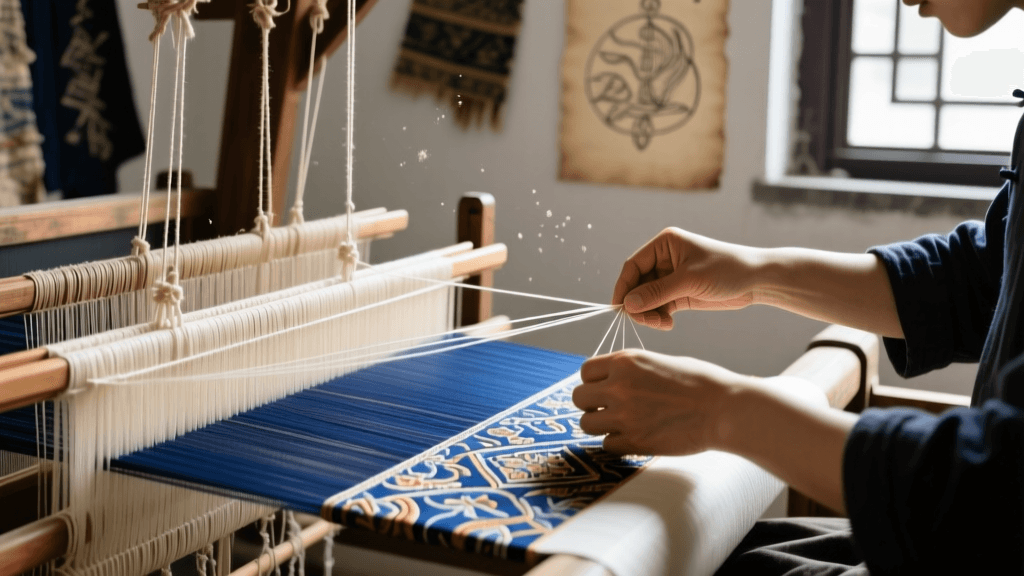
International designers traveling to Japan for educational residencies often cite the Zen spirituality of the sashiko process as a major influence on their 2026 collections. The repetitive motion of the needle is not merely a manufacturing step; it is a moving meditation. In an era dominated by digital noise and AI-generated fashion designs, the deliberate, human imperfection of a hand-stitched Boro jacket offers a profound psychological anchor. Luxury brands are now marketing this 'mindful creation' process, inviting clients to exclusive atelier viewings where they can watch the artisans at work, hear the rhythmic piercing of the needle through heavy indigo cotton, and understand the life-stage dedication required to master the craft.
A Collector’s Guide to Sourcing and Care in 2026
For collectors and enthusiasts looking to invest in these international collaborative pieces, navigating the 2026 market requires a discerning eye and an understanding of proper textile preservation. The market is flooded with machine-embroidered imitations, making authentication and ethical sourcing paramount.
How to Verify Authentic Collaborations
- Check the Provenance: Authentic 2026 collaborations will include a certificate of authenticity detailing the specific artisan cooperative, the region of origin (e.g., Tsugaru, Hida), and the master dyer responsible for the indigo.
- Examine the Reverse Side: True hand-stitched sashiko will show slight irregularities on the reverse side of the fabric. Machine embroidery is perfectly uniform and often uses a bobbin thread that differs in texture from the top thread.
- Look for the METI Mark: Pieces utilizing officially recognized traditional materials may bear the Traditional Craft Product certification mark, a symbol of rigorous governmental quality control.
- Consult Archival Institutions: Resources and exhibitions curated by institutions like the Victoria and Albert Museum's Asia Collections often provide excellent benchmarks for identifying genuine historical techniques versus modern pastiches.
Preservation and Care Instructions
Caring for natural indigo and hand-stitched heritage textiles requires a departure from modern laundry conveniences. To maintain the structural integrity and the olfactory profile of your 2026 collaborative garments, adhere to the following care protocols:
- Washing: Never machine wash. Submerge the garment in cold water with a pH-neutral, organic textile detergent. Gently agitate by hand for no more than three minutes.
- Drying: Do not wring or twist the fabric, as this will snap the hand-spun threads and distort the Boro patchwork. Press the water out between two clean, dry towels and lay flat in a shaded, well-ventilated area. Direct sunlight will rapidly degrade the natural indigo.
- Storage: Store in a breathable cotton garment bag. Avoid plastic, which traps moisture and can cause the natural fibers to mildew. Include natural camphor or hinoki wood blocks to deter insects without introducing harsh chemical odors that would mask the indigo's natural scent.
Conclusion: The Future of Heritage in Global Fashion
The integration of Sashiko and Boro into 2026 international design collaborations represents a triumph of cultural preservation over fast-fashion exploitation. By marrying the Zen philosophy and rigorous craftsmanship of Japanese artisans with the global reach and innovative silhouettes of Western luxury houses, the fashion industry is creating garments that are not merely worn, but experienced. These pieces serve as wearable archives, carrying the history, struggles, and profound beauty of Japanese rural life onto the global stage, ensuring that the art of the stitch survives for generations to come.