Peking Opera & Kunqu Hanfu Xifu Costumes: 2026 Guide
The Resurgence of Theatrical Hanfu in 2026
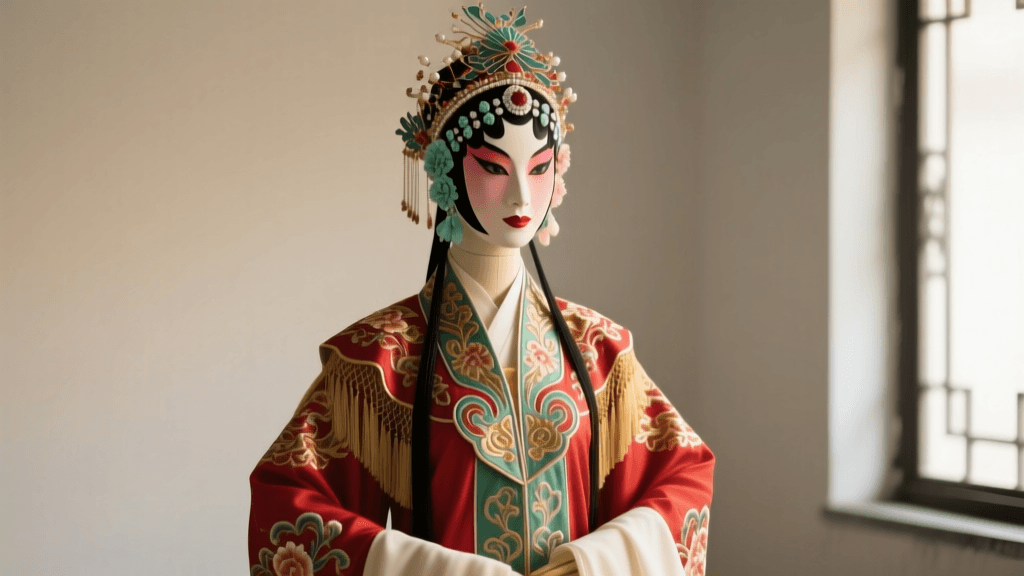
The intersection of traditional Chinese performing arts and the modern Hanfu movement has reached a fascinating zenith in 2026. While everyday Hanfu enthusiasts focus on historical accuracy and daily wearability, a dedicated subset of the community has turned its gaze toward the stage. Specifically, the theatrical wardrobes of Peking Opera (Jingju) and Kunqu Opera—collectively known as Xifu (行头)—are experiencing a massive revival. These garments, heavily stylized and exaggerated, are fundamentally rooted in Ming Dynasty Hanfu silhouettes, making them a vital area of study and collection for serious textile aficionados.
In 2026, youth troupes and independent performers are bridging the gap between ancient stagecraft and contemporary aesthetics. The demand for authentic, hand-embroidered Xifu replicas has surged, driven by a new generation that values the monumental craftsmanship of traditional theatrical dress. Whether you are a performer, a collector, or a Hanfu enthusiast looking to understand the theatrical branches of Chinese clothing, this comprehensive guide will navigate the intricate world of Peking Opera and Kunqu costumes.
Understanding Xifu: The Theatrical Wardrobe
Xifu is not merely clothing; it is a visual language. In traditional Chinese theater, the costume immediately communicates a character's social status, personality, age, and even moral alignment to the audience. Unlike historical Hanfu, which evolved dynamically through the Tang, Song, and Ming dynasties, Xifu operates on a codified system that deliberately ignores strict historical timelines. A character from the Han Dynasty might wear a garment structurally based on the Ming Dynasty, embellished with Qing Dynasty embroidery techniques.
According to Britannica's comprehensive guide on Peking Opera, the visual splendor of the theater relies heavily on this deliberate anachronism, prioritizing symbolic beauty over historical pedantry. For the modern Hanfu community, studying Xifu offers a masterclass in traditional tailoring, structural reinforcement, and the symbolic use of color and motif.
Peking Opera (Jingju) vs. Kunqu Opera Garments
While both forms share the foundational Xifu system, their aesthetic executions differ wildly, reflecting the distinct musical and narrative styles of each art form.
The Bold Spectacle of Peking Opera
Peking Opera is characterized by its acrobatic martial arts, loud percussion, and larger-than-life characters. Consequently, its garments are designed for high visibility and dynamic movement. The Mang (python robe), worn by emperors and high officials, features stiff, heavy brocades with aggressive gold couching and massive dragon motifs. Martial generals wear the Kao, a complex suit of armor featuring four triangular flags attached to the back, which amplify the actor's movements during combat sequences. The colors are saturated—bright crimsons, deep blacks, and vivid yellows—ensuring the characters pop against the brightly lit modern stage.
The Refined Elegance of Kunqu
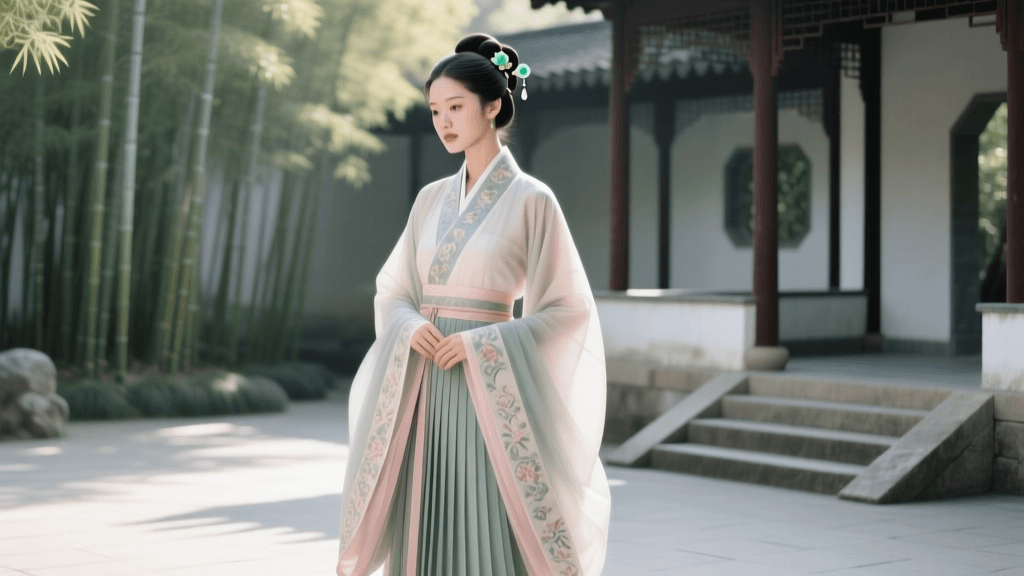
Kunqu, often referred to as the 'mother of Chinese operas,' is a softer, more lyrical art form. As recognized by UNESCO's Intangible Cultural Heritage list, Kunqu is celebrated for its poetic refinement and delicate movements. The costumes reflect this ethos. Kunqu Xifu favors the Xuezi (a casual, cross-collared robe) and the Pei (a formal, open-front robe). The color palettes are muted and elegant: celadon greens, soft lotus pinks, and pale moonlight whites. The embroidery relies on the exquisite, painstaking techniques of Su Xiu (Suzhou embroidery), utilizing split silk threads to create gradients that mimic traditional ink wash paintings.
Stage Xifu vs. Everyday Hanfu: A 2026 Comparison
For buyers entering the market in 2026, it is crucial to understand the functional differences between a theatrical Xifu piece and a modern daily-wear Hanfu garment. Below is a structured comparison to guide your purchasing decisions.
| Feature | Theatrical Xifu (Stage Wear) | Modern Daily Hanfu |
|---|---|---|
| Silhouette & Fit | Exaggerated, oversized, heavily padded at the shoulders and waist to project presence. | Tailored to natural body proportions, focusing on historical drape and daily comfort. |
| Water Sleeves (Shuixiu) | Standard on most roles; extends 1 to 2 feet past the hand for expressive choreography. | Rarely included; if present, kept short for practicality in modern environments. |
| Embroidery Density | Extremely dense; up to 80% of the garment surface may be covered in metallic thread and beadwork. | Moderate to minimal; focuses on woven patterns (Jacquard) or subtle localized embroidery. |
| Fastenings | Reinforced with heavy-duty ties and hidden snaps to withstand vigorous acrobatic movement. | Traditional fabric knots, ribbons, and delicate toggles. |
| Price Range (2026) | $450 (basic Xuezi) to $5,000+ (fully embroidered Mang with custom tailoring). | $60 (entry-level) to $800 (premium silk with hand-embroidery). |
Material Innovations in 2026 Stage Wear
The year 2026 has brought remarkable textile innovations to the traditional Xifu workshops of Suzhou and Hangzhou. Historically, stage costumes were notoriously heavy and unbreathable, constructed from dense silk satins and lined with thick cotton. Performers would lose significant water weight during a single two-hour show.
Today, leading artisan workshops have integrated modern, moisture-wicking bamboo-silk blends into the inner linings of the Kao (armor) and Mang robes. These proprietary 2026 fabrics maintain the stiff, luxurious drape required for the stage while reducing the garment's overall weight by up to 30%. Furthermore, the integration of micro-LED threading in select avant-garde Kunqu productions has begun to subtly illuminate the hemlines of water sleeves during dimly lit, atmospheric scenes, blending ancient tradition with cutting-edge stagecraft.
Buyer’s Guide: Sourcing Authentic Xifu Replicas
If you are looking to acquire a piece of theatrical Hanfu for collection, cosplay, or performance, knowing where to look is essential. The market is flooded with cheap, mass-produced polyester costumes meant for tourist photo booths. Authentic Xifu requires sourcing from specialized ateliers.
Top Sourcing Hubs and Artisan Workshops
- Suzhou Xifu Embroidery Factories: The undisputed capital of Kunqu costume production. Workshops in the Gusu District offer bespoke Xuezi and Pei robes. Expect a lead time of 3 to 6 months for hand-embroidered pieces. The intricate techniques of traditional Chinese embroidery are strictly preserved here.
- Beijing Liulichang Cultural Street: For Peking Opera garments, the historic ateliers around Liulichang remain the gold standard. Many of these shops have operated for over a century and hold the patterns for specific, historically significant stage roles.
- Specialized Online Platforms: In 2026, several verified heritage platforms on Taobao and specialized global export sites have emerged, connecting international buyers directly with Suzhou artisans. Look for shops that provide video proof of the embroidery process and offer detailed material composition certificates.
Mastering the Water Sleeves (Shuixiu)
No discussion of theatrical Hanfu is complete without addressing the Shuixiu, or water sleeves. These elongated white silk cuffs are extensions of the actor's emotional vocabulary. In Kunqu, a slight tremor of the wrist can convey profound sorrow, while a sweeping, circular toss of the sleeve signifies joy or revelation.
For enthusiasts purchasing Xifu with water sleeves, practicing the fundamental techniques is highly recommended. The core movements include the Tou (tossing outward), the Gou (hooking inward), and the Chong (flushing forward). Mastery requires strengthening the forearm and wrist, as the heavy silk must be manipulated with precise, snapping kinetic energy to achieve the fluid, water-like ripples that give the sleeves their name.
Preservation and Care of Silk Costumes
Authentic Xifu is a significant financial and cultural investment. The heavy use of metallic threads (gold and silver couching) and delicate silk bases requires meticulous care. Never machine wash or dry clean a heavily embroidered theatrical garment; the chemicals will strip the metallic threads of their luster and cause the silk to pucker.
Instead, spot clean the inner linings with a damp cloth and mild, pH-neutral silk detergent. When storing, the garments must be padded with acid-free tissue paper to prevent the heavy embroidery from crushing the underlying silk fibers. Store the costumes flat in cedar chests or breathable cotton garment bags, away from direct sunlight and fluctuating humidity, ensuring these magnificent examples of theatrical Hanfu survive for future generations to study and admire.
Conclusion
The world of Peking Opera and Kunqu Xifu represents the most theatrical, exaggerated, and visually stunning branch of the Hanfu family tree. As we move through 2026, the appreciation for these garments continues to grow beyond the stage, entering the realms of high fashion, textile conservation, and dedicated private collections. By understanding the profound differences between stage wear and daily Hanfu, and by supporting the master artisans who keep these embroidery traditions alive, enthusiasts can ensure that the vibrant legacy of Chinese theatrical costuming remains a living, breathing art form.